
The daily packaging market is remarkably diverse, especially for milk, which uses various forms such as glass milk bottles, plastic bottles, and plastic bags. Both glass milk bottles and plastic milk bottles currently hold a notable share of the market. For manufacturers of milk brands and retailers of empty glass containers, selecting the appropriate packaging is a crucial decision that impacts product quality, brand perception, and environmental goals.
This comparison will analyze the advantages and disadvantages of each option to help you make an informed choice for your products, whether you are looking for glass customization suppliers or simply evaluating your current packaging.
Table of Contents
ToggleGlass Milk Bottle
Glass milk bottles have historically been the packaging of choice and have firmly dominated the milk market due to their numerous advantages. We will analyze why glass bottle for milk has retained such popularity.
Advantage of glass milk bottle
Glass milk bottles offer distinct benefits that appeal to both consumers and businesses:
Non-toxic and Health Benefits: Glass is a non-toxic material. It is better for overall health because it prevents harmful chemicals from leaching into the milk, which is a concern associated with plastic packaging.
Preservation of Taste and Temperature: Glass is impermeable and nonporous, which means it does not affect the flavor of the milk. A glass container can also retain the temperature better than a plastic bottle, keeping the milk cold for longer periods and preserving its taste.
Durability and Long Lifespan: While glass can break, when treated properly, it offers durability and a long lifespan through repeated reuse. This allows for a robust return and refill system.
Environmental Benefits and Reduced Confusion: Choosing a reusable glass bottle for milk offers significant environmental advantages. Reusable glass simplifies the recycling process and reduces recycling confusion for consumers.
Visual Appeal and Ease of Cleaning: Glass has a naturally attractive, visually appealing quality. Furthermore, glass milk bottles are easy to clean and are often safe to use in a dishwasher.
Versatility: Glass is used for a wide variety of products beyond milk.
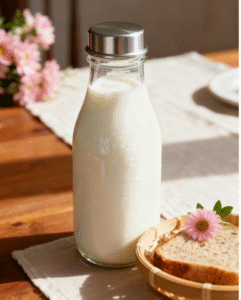
Smilebottles is a very professional glass milk bottle manufacturer. So if you have any questions contact us.
Disadvantages of glass milk bottles
Despite their benefits, glass milk bottles do have practical limitations:
Easy Breakage: A primary drawback is that glass is prone to breaking. This can lead to product loss, safety concerns, and increased costs related to breakage during transport and handling.
Too Weight: Glass containers are heavier than their plastic counterparts. This added weight can increase shipping and handling costs for glass customization distributors and milk manufacturers.
Plastic Milk Bottle
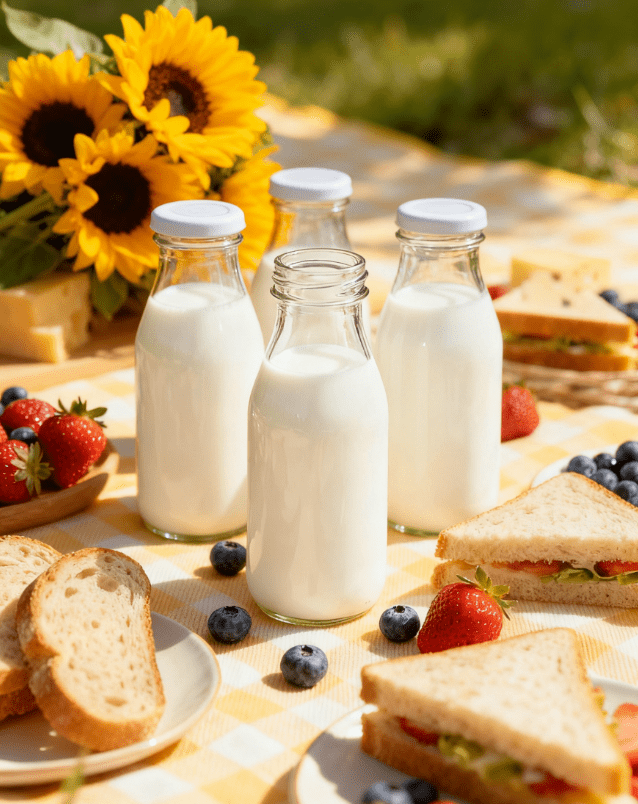
Plastic milk bottles are a common sight and have their own set of advantages and disadvantages that make them popular in certain market segments.
Advantage of plastic milk bottle
Durability and Convenience: Plastic bottles are durable and much less prone to breaking than glass. This makes them highly convenient for transport, retail display, and consumer use.
Cost-Effectiveness and Capacity: Plastic is generally less expensive than glass upfront. It is also easier to manufacture in large capacity sizes.
Disadvantage of plastic milk bottle
Chemical Leaching: A significant concern is that chemicals from the plastic can leach into the food and beverages, which people then consume. This raises health concerns about the contents of the plastic milk bottle.
Environmental Impact: Plastic packaging has a considerable negative environmental impact. The waste generated from single-use plastic is a major global issue.
Vulnerability to Temperature and Wear: Plastic is susceptible to wear and tear. It is also more easily influenced by temperature changes compared to glass.
Why Glass Milk Bottles Are Better than Plastic Milk Bottles
When comparing the two materials, glass milk bottles offer several critical advantages that align with contemporary consumer and business values.
Health and Safety: Glass is inherently safer for the body because it does not leach harmful chemicals into the milk. This factor is becoming increasingly important to health-conscious consumers.
Environmental Superiority: From an environmental perspective, glass is better. A reusable glass bottle for milk significantly reduces waste and offers a more sustainable choice than single-use plastic.
Product Quality Preservation: Glass retains the temperature of the milk for longer periods and is nonporous, ensuring the milk’s original taste is preserved.
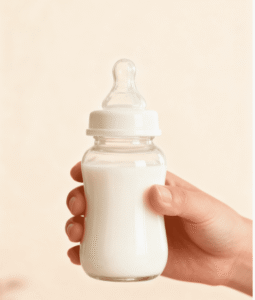
Which Feeding Bottle is Better for the Baby? Glass Bottles or Plastic Bottles?
The debate over packaging extends to baby products, where the choice between glass and plastic baby bottles is focused on health and safety.
Health and Safety: Given the concerns about chemical leaching from plastic , many parents prefer glass for baby bottles due to its non-toxic nature.
Temperature Resistance: Glass offers better temperature resistance, making it safer for heating milk or formula.
Modern Durability: While traditional glass was fragile, modern glass containers, especially for baby products, are designed with improved durability.
Sustainability and Brand Value: Choosing glass aligns with growing consumer preference for sustainable products, boosting brand value.
Conclusion
The advantages of glass milk bottles are quite remarkable. From a business perspective, an environmental perspective, and a perspective of sustainable development, the benefits that glass bottle for milk are significantly greater than those of plastic milk bottles.
Opting for a reusable glass container, whether you are a milk manufacturer seeking a sustainable image or a retailer looking for glass customization options, can provide a sustainable development model for your business. While plastic offers convenience and lower upfront costs, glass offers superior product preservation, health safety, and environmental responsibility, making it the preferred long-term choice for premium products like milk.