



Table of Contents
ToggleAuthor: SmileBottles Editorial Team
Estimated Reading Time: About 15 Minutes
Look, picking a bottle seems simple until you actually have to do it. You’ve got a great product—maybe it’s a small-batch gin, a high-end face serum, or an organic olive oil—and now you need packaging that does two jobs at once: keep the product fresh and make people want to pick it up off the shelf. That’s where glass bottle colors come in. And honestly, most people don’t give this enough thought. They pick amber because “that’s what everyone uses” or blue because “it looks nice.” But there’s real science and real marketing strategy behind these choices.
At Smilebottles, we’ve been manufacturing colored glass bottles for years. We work with wine brands, craft breweries, skincare startups, essential oil companies—you name it. And the question we hear most often is: “Which color should I use?” So let’s break it down. By the end of this guide, you’ll know exactly why amber glass bottles, blue glass bottles, and green glass bottles exist, what each one does best, and how to pick the right one for your specific product.
Why Does Glass Color Even Matter
Here’s the thing most people don’t realize: light destroys products.
Not all products, and not immediately. But if you’re bottling anything with natural ingredients—essential oils, plant extracts, vitamins, even hops in beer—UV rays and visible light will slowly break down those compounds. The result? Your lavender oil loses its scent. Your Vitamin C serum turns yellow and stops working. Your craft IPA tastes like a skunk sprayed it.
This is called photo-oxidation, and it’s the reason glass bottle protection matters so much.
Clear glass looks great, but it offers zero defense. It’s basically a window. Colored glass bottles act more like sunglasses—they filter out the wavelengths of light that cause the most damage.
Different colors filter different amounts. That’s the whole game.
How Light Actually Damages Your Product
UV light (the same type that causes sunburn) carries a significant amount of energy. When it interacts with certain molecules—such as the terpenes in essential oils or the iso-alpha acids in beer—it triggers chemical reactions. Bonds break. New compounds form. And suddenly your product isn’t what it used to be.
Visible light, especially blue and violet wavelengths, can cause similar problems, just more slowly.
Especially Vulnerable products include: Essential oils and aromatherapy blends. Skincare with active ingredients (retinol, Vitamin C, niacinamide). Herbal tinctures and extracts. Craft beer and certain wines. Olive oil and other culinary oils. Pharmaceuticals and supplements
If your formula contains any of these, you need to think seriously about glass bottle packaging that actually protects what’s inside.
Colored Glass vs. Clear Glass: The Basics
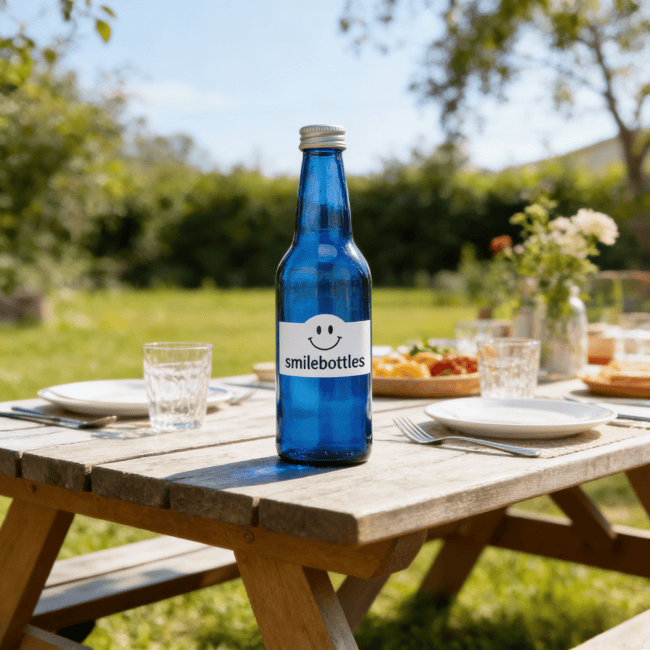
Clear glass (sometimes called flint glass) lets almost all light through. It’s perfect for products where you want to show off the color or clarity—think vodka, white wine, or a beautifully layered cocktail mixer.
But for anything light-sensitive, clear glass is a liability.
Colored glass bottles solve this by absorbing specific wavelengths before they reach your product. The color comes from metal oxides added during manufacturing—iron and sulfur for amber, cobalt for blue, iron and chromium for green.
Quick Protection Comparison by Color
Color | UV Protection | Best For |
Amber | Excellent (blocks up to 99%) | Essential oils, beer, pharma, sensitive skincare |
Green | Good (varies by shade) | Wine, olive oil, natural products |
Blue | Moderate | Premium water, luxury cosmetics, spirits |
Amber Glass Bottles: The Protection Champion
If you ask anyone in the pharmaceutical or brewing industry what color bottle they trust most, they’ll say amber. There’s a reason for that.
What Makes Amber So Effective?
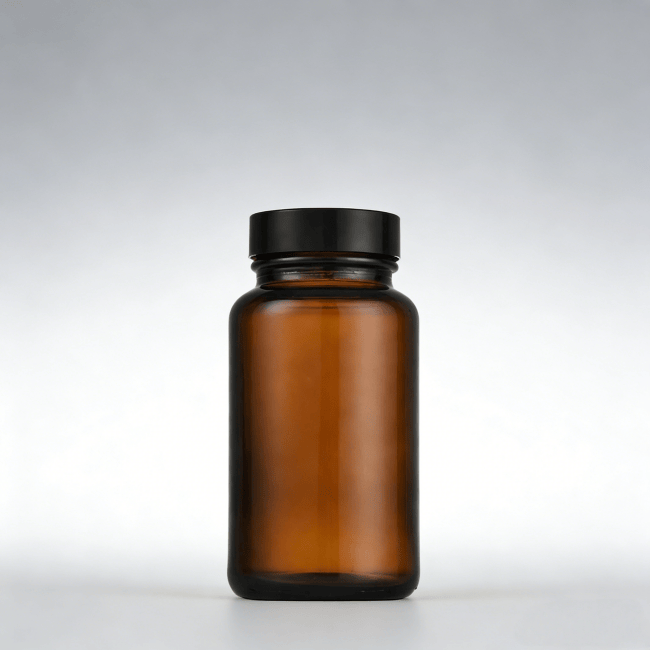
Amber glass bottles block nearly all UV radiation and most visible light below 450nm. That’s the range that causes the most damage to organic compounds. The deep brown color comes from a combination of iron, sulfur, and carbon added to the glass melt.
For products that need to stay stable for months (or years) on a shelf, amber bottles are the gold standard.
Where You’ll See Amber Glass
Walk into any pharmacy and look around. Prescription bottles? Amber. Cough syrup? Amber. Now check out a craft beer cooler—most of those bottles are amber colored glass bottles, too.
In the beauty world, amber perfume bottles and dropper bottles for serums are everywhere. There’s a reason high-end essential oil brands almost always use amber: it works.
Other common uses: Amber swing-top bottles for kombucha and home brew. Amber colored mason jars for storing herbs and spices. Tincture bottles for herbal medicine. Essential oil glass bottles wholesale orders
The Brand Vibe of Amber
Amber says “apothecary.” It feels medicinal, trustworthy, and natural. If your brand positioning is around wellness, organic ingredients, or old-world craftsmanship, amber fits perfectly.
Think about it: when you see an amber color bottle with a simple label, you assume the product inside is potent and carefully made. That’s powerful branding without saying a word.
The Downsides of Amber Glass
Amber isn’t perfect for every situation. The dark color hides the product inside, which can be a problem if you want customers to see the liquid’s clarity or color. It can also feel a bit “clinical” for luxury positioning—nobody’s putting a $200 face cream in a bottle that looks like cough medicine.
And while wholesale amber glass bottles are generally affordable and easy to source, the color limits your label design options. Light-colored labels work best on dark glass.
Blue Glass Bottles: The Premium Statement
Now let’s talk about blue. This is where things get interesting.
What Is Blue Glass?
What is blue glass? True cobalt blue glass gets its color from cobalt oxide added during manufacturing. The blue isn’t painted on—it’s part of the glass itself. That’s why a cobalt blue oil lamp from 100 years ago still looks the same today. The color doesn’t fade or peel.
You might also see light blue glass bottles or aqua glass bottles, which use different mineral combinations and offer less UV protection than deep cobalt.
Protection Level: Honest Assessment
Let’s be real: blue glass bottles don’t protect as well as amber. They block some UV and visible light, but they let through more of the blue-violet spectrum. For highly sensitive formulas, that’s a problem.
But here’s the thing—not every product needs maximum protection. If your formula is stable, contains preservatives, or has a short shelf life anyway, blue glass might be perfectly fine.
Where Blue Glass Shines
The water industry loves blue glass. Blue glass water bottles and blue glass drinking glasses have become hugely popular, partly because of the clean, fresh aesthetic and partly because of wellness trends around “solar water.”
Some people believe in cobalt glass health benefits—the idea that water in blue glass bottles exposed to sunlight becomes energetically charged. Whether you buy into that or not, it’s driven massive demand for blue water bottles glass products. Brands like Blueqq water bottle have built entire businesses around this concept.
Beyond water, you’ll find blue glass bottles used for:
Luxury skincare and cosmetics
Premium spirits and blue wine bottles
Blue glass beer bottles for specialty brews
Perfumes and colognes
Blue decorative bottles for home décor
The Brand Vibe of Blue
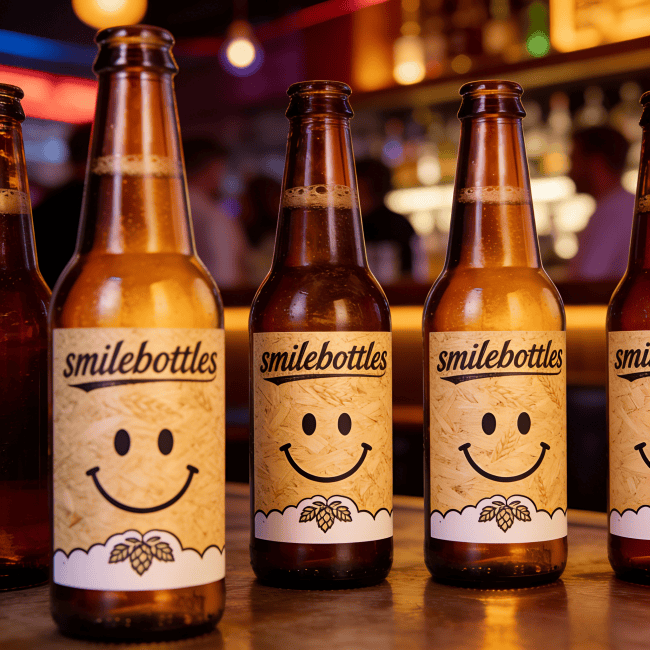
Blue screams premium. It feels clean, calm, spa-like, and modern. If you’re positioning your product as high-end or wellness-focused, dark blue glass bottles instantly communicate that.
There’s also the differentiation factor. Walk down any store aisle and count how many blue bottles you see versus amber or green. Blue stands out. For brands trying to break through the noise, visibility matters.
The Downsides of Blue Glass
Cost is the big one. Wholesale blue glass bottles typically run higher than amber because cobalt oxide is more expensive than iron. If you’re ordering blue glass bottles wholesale in large quantities, that price difference adds up.
And again, protection is limited. Don’t put your pure rosehip oil in a blue glass bottle drink container and expect it to last two years. It won’t.
Green Glass Bottles: The Natural Classic
Green glass sits in the middle—decent protection, familiar look, strong associations with nature and tradition.
Protection Properties of Green Glass
Green glass bottles block more light than clear glass but less than amber. The exact protection level depends on the shade. Dark “antique green” offers more filtering than bright emerald green.
For products that are moderately light-sensitive, green works well. For highly volatile compounds, you might want to step up to amber.
Where Green Dominates
Wine. That’s the first thing everyone thinks of, and for good reason. Green glass bottles have been the wine industry standard for centuries. The color hides sediment, provides decent UV protection, and connects the product to vineyard traditions.
Beyond wine: Olive oil and cooking oils. Mineral water (think European brands). Craft beer and cider. Natural beauty products. Kombucha and fermented drinks
The Brand Vibe of Green
Green says “from the earth.” It feels organic, eco-conscious, and traditional. If your brand story involves farms, harvests, or sustainability, green glass reinforces that message.
There’s also the obvious wordplay—“green” packaging for “green” (eco-friendly) brands. Sustainable glass packaging and recyclable glass bottles are major selling points right now, and green glass fits that narrative perfectly.
The Downsides of Green Glass
Green can feel generic in some categories. Everyone uses it for wine and olive oil, so it doesn’t help you stand out. And the color doesn’t work for every brand palette—if your logo is red or orange, green glass might clash.
Quick Comparison: Amber vs. Blue vs. Green
Let’s put it all in one place.
Amber = Protection First
Best UV blocking
Apothecary/natural vibe
Most affordable colored option
Ideal for: essential oils, beer, pharma, sensitive skincare
Blue = Premium Look First
Moderate protection
Luxury/spa vibe
Higher cost
Ideal for: water, high-end cosmetics, spirits, décor
Green = Natural Balance
Good protection
Traditional/eco vibe
Mid-range cost
Ideal for: wine, olive oil, natural products
When comparing amber glass vs blue glass, it really comes down to priorities. Need maximum shelf life? Amber. Need maximum shelf appeal? Blue.
How to Choose the Right Color for Your Product: 4 Steps to Help You
Okay, enough theory. Here’s how to actually make this decision.
Step 1 – Check Your Formula
Start with the science. Does your product contain light-sensitive ingredients? If yes, how sensitive?
Highly sensitive(pure essential oils, retinol, Vitamin C): Go amber.
Moderately sensitive(preserved skincare, flavored oils): Amber or dark green.
Stable(water, alcohol, preserved formulas): Any color works.
If you’re not sure, ask your formulator or run a basic light stability test.
Step 2 – Define Your Brand
What feeling do you want customers to have when they see your product?
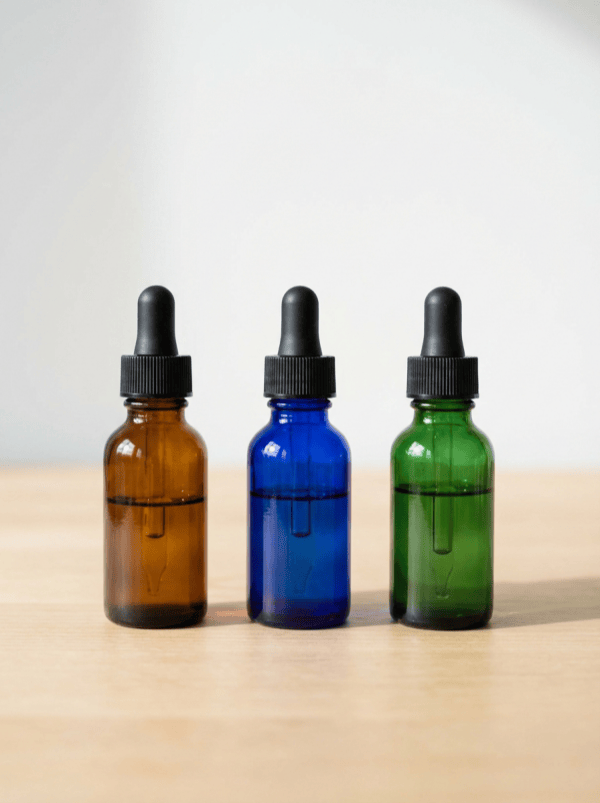
Clinical/Professional/Trustworthy: Amber glaa bottles
Luxury/Premium/Spa: Blue glass bottles
Natural/Organic/Traditional: Green glass bottles
Your packaging should match your positioning.
Step 3 – Look at Your Category
What do your competitors use? Sometimes you want to match industry norms (green for wine, amber for essential oils). Sometimes you want to break them to stand out.
Also consider customer expectations. People expect olive oil in green glass. Putting it in blue might make them question authenticity.
Step 4 – Think Practical
A few things people forget:
Labels: Dark bottles need light-colored labels. Make sure your design works.
Closures: Not every cap fits every bottle. If you need colored glass bottles with stoppers or bulk glass bottles with corks, confirm compatibility.
Sizes: We make everything from small colored glass bottles (5ml droppers) to large colored glass bottles (1 liter+) to specialty items like narrow neck glass bottles for hot sauce.
Budget: Amber is usually the cheapest. Blue is usually the most expensive. Get quotes before you commit.
Beyond the Basics: Decoration and Specialty Uses
Glass bottles aren’t just for holding liquids. There’s a whole market for colored bottles for decoration, and understanding it can help you think about your packaging’s “second life.”
The Décor Market
Colored decorative glass bottles are huge in home design. Large colored glass vases, extra large decorative glass bottles, and vintage colored glass bottles sell well at home goods stores and online.
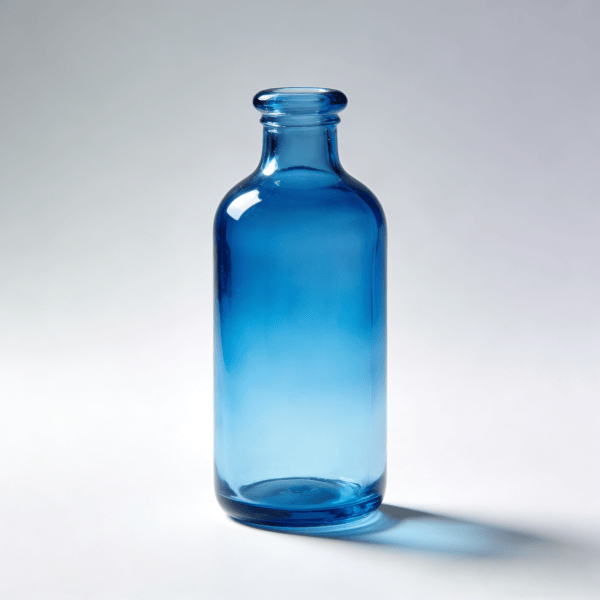
Some brands design their packaging specifically to be repurposed. A beautiful blue decorative bottle that becomes a flower vase keeps your brand visible in someone’s home for years.
Vintage and Antique Styles
There’s strong demand for antique colored glass bottles and colored vintage glass bottles. We can manufacture new bottles with vintage-inspired shapes—think old apothecary styles or antique amber glass lamp shade silhouettes adapted for modern products.
Vintage red glass bottles and vintage colored glass pieces are popular with collectors and decorators. If your brand has a heritage story, these styles can reinforce it.
Specialty Items
We also get requests for unusual items: Colored glass bottles for bottle tree garden art.. Colored glass jars with lids for candles and storage. Coloured glass containers for bathroom organization. Large glass bottle with lid for bulk storage. Even 10-gallon glass bottle carboys for brewing and fermentation
If you have a unique need, ask us. Chances are, we’ve made something similar.
Sourcing: Wholesale vs. Retail
A quick note on where to buy.
Starting Small: If you’re just starting or making small batches, you might grab Hobby Lobby colored glass bottles or search for colored glass bottles on Hobby Lobby deals. That’s fine for prototyping.
Scaling Up: But for real production, you need colored glass bottles wholesale from a manufacturer. Retail prices will kill your margins, and craft store inventory is inconsistent. You can’t build a brand on bottles that might be out of stock next month.
At Smilebottles, we supply cosmetic glass bottles wholesale, essential oil glass bottles wholesale, wholesale amber glass bottles, and wholesale blue glass bottles in consistent quantities. We also offer colored glass bottles for sale in smaller MOQs for growing brands.
Why Work with Smilebottles?
We’re not the only glass bottle manufacturer out there. But here’s what we bring to the table:
Range: We stock amber, blue, green, and specialty-colored glass bottles. From amber-colored goblet-style jars to colored glass bottles with stoppers, we’ve got options.
Customization: Need a specific shade? Custom shape? Printed logo? We handle OEM/ODM projects regularly.
Quality: Every batch is checked for consistency. Your amber color glassware will match from order to order.
Sustainability: All our colored bottles are recyclable glass bottles. We’re committed to sustainable glass packaging practices.
Support: Not sure which color to choose? Our team can review your product and make recommendations.
FAQ Frequently Asked Questions About Colored Glass Bottles
Q1: Which glass color offers the best UV protection?
A1: Amber glass bottles provide the highest protection, blocking up to 99% of harmful UV rays.
Q2: Are there real benefits of drinking from cobalt glass?
A2: The benefits of drinking from cobalt glass are mostly about avoiding plastic chemicals and the aesthetic/psychological appeal of blue glass drinking glasses. Some wellness communities believe in cobalt glass benefits related to solar water charging, though this isn’t scientifically proven.
Q3: Can I use blue glass for essential oils?
A3: For pure, undiluted essential oils, we recommend amber. Blue glass bottles work better for diluted blends, room sprays, or products with added preservatives.
Q4: Do colored glass bottles cost more than clear ones?
A4: Generally, yes, with blue being the most expensive and amber being closest to clear glass pricing. Colored glass bottles wholesale pricing varies by color, size, and quantity.
Q5: What about other colors like red or aqua?
A5: We can source red glass wine bottles, aqua glass bottles, and other specialty colors. These are typically custom orders with higher MOQs.
Q6: Do you sell decorative items like cobalt blue sea glass?
A6: We focus on bottles, not raw materials like cobalt blue sea glass or cobalt blue glass chippings 10-14mm. However, our recycling process does produce glass cullet that’s similar.
Conclusion
Choosing between amber glass bottles, blue glass bottles, and green glass bottles isn’t just about what looks good. It’s about protecting your formula, communicating your brand, and making smart business decisions. Browse our colored glass bottles for sale or reach out to our team. Whether you need colored glass bottles wholesale for a major launch or samples to test different options, Smilebottles is here to help you to choose the best one.


