
Table of Contents
ToggleAuthor: SmileBottles Editorial Team
Estimated Reading Time: About 16 Minutes
You probably see them everywhere. Whether you are walking through the aisles of a supermarket, browsing a trendy home décor shop, or scrolling through Pinterest, the humble mason jar is ubiquitous. But as a business owner or a buyer looking to source quality glass containers, you might have paused to wonder: why is it called a mason jar? It is more than just a name; it is a legacy of innovation that changed how the world preserves food. Understanding the mason jar history and its unique features isn’t just trivia—it is essential for choosing the right packaging for your products. Whether you are looking for glass jars with lids for canning to package your signature jams, or seeking bulk glass jars with lids for a large-scale beverage project, knowing the background helps you make informed decisions.
At Smilebottles, we believe that knowing your product is the first step to success. In this guide, we will explore the mason jar name origin, the man who invented the mason jar, and why these containers remain a staple in the industry today. By the end, you will know exactly what to look for when you order your next shipment.
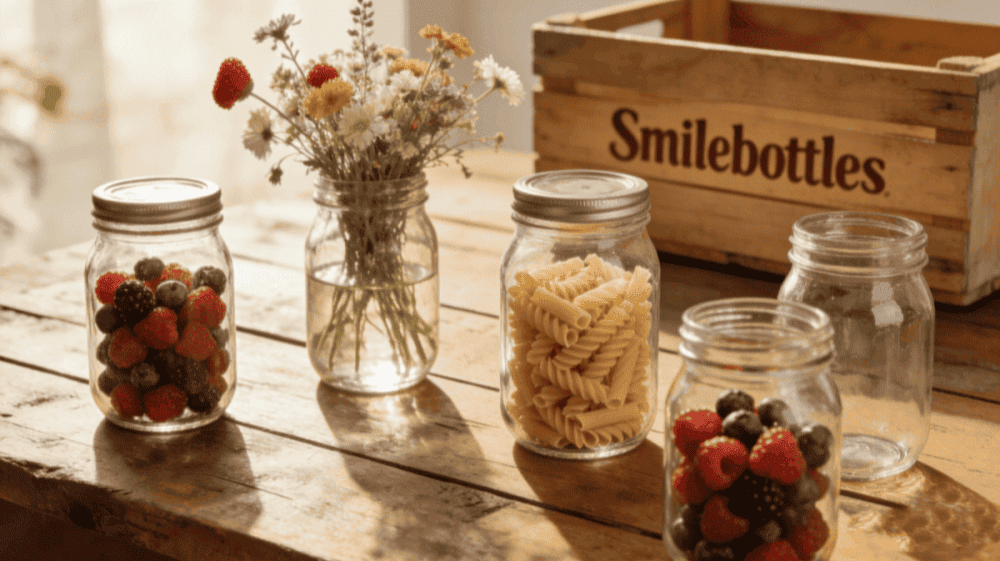
What Is a Mason Jar? (Definition & Key Features)
Before we dive into history, let’s establish exactly what is a mason jar. If you are new to the glass packaging industry, the terminology can sometimes get confusing. Is every glass container a mason jar? Not quite.
Basic Definition of a Mason Jar
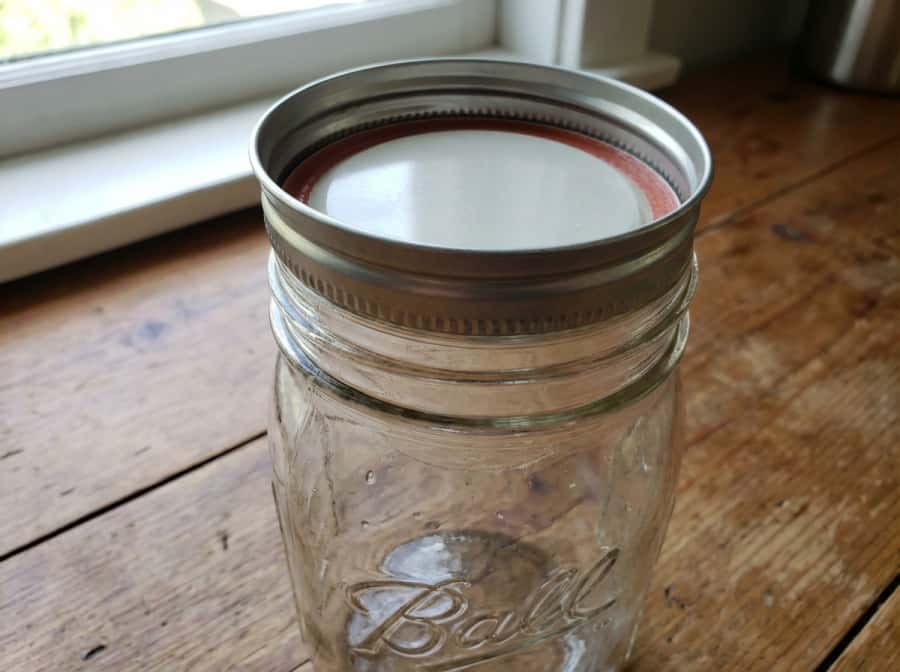
A mason jar is a molded glass jar used primarily for home canning to preserve food. But what is the mason jar in terms of design? Its defining feature is the finish (the threaded neck) that accepts a specific type of lid. Traditionally, this is a two-piece screw cap comprising a flat metal disc with a rubber seal and a separate metal ring (band) that screws down to press the disc against the jar’s rim.
These jars are typically made from soda-lime glass, which is durable and capable of withstanding the heat necessary for sterilization. When you ask for the mason jar meaning, you are essentially asking about a system of airtight preservation. They come in various volumes, from tiny one-ounce glass jars with lids often used for spices or samples, up to a large 1 gallon glass jar with lid used for fermentation or bulk storage.
Common sizes you might stock for your business include:
2 oz glass jars with lids or 2 oz glass jars with metal lids (ideal for wedding favors or testers).
Standard pints and quarts.
32 oz glass jars with lids wholesale (a favorite for sauces and pickled vegetables).
gallon glass jar lids and jars for commercial kitchen storage.
How Mason Jars Differ from Regular Glass Jars
You might be deciding between a bottle or a jar for your product line. Specifically, you need to know the difference between a mason jar vs regular jar.
A regular glass jar might have a simple lug finish (where the lid twists on with a quarter turn) or a continuous thread designed for a one-piece lid. However, the glass mason jar with lid is engineered specifically for a hermetic vacuum seal created during the heat-processing phase of canning. The glass walls are often thicker to prevent breakage under thermal shock.
Another comparison you might face is the glass jar with a clamp lid. While clamp lids (often with a rubber gasket and wire bail) are excellent for dry storage, they function differently from the screw-top mason design. Understanding what a mason jar means, recognizing that its threaded neck is its superpower, allowing for that iconic, tight seal that keeps food fresh for years.
Types and Styles of Mason Jars
When you browse our catalog at Smilebottles, you will notice distinct styles. The two main mouth sizes are:
Regular Mouth: The opening is slightly narrower than the body of the jar.
Wide-mouth mason jar: The opening is the same width as the body, making it easier to fill and clean.
Aesthetically, the options are vast. You can choose a classic clear mason jar to show off the vibrant colors of your salsa or honey. For a retro feel, vintage mason jars or antique mason jars are highly sought after; these often feature raised lettering or embossing. While true antiques are for collectors, we manufacture colored mason jars, such as blue mason jars or amber tones, to give your brand that vintage appeal while using new, safe glass.
Functionally, you can also adapt these jars. We offer mason jars with glass lids for a traditional look, or mason jars with metal lids for modern efficiency. For the beverage market, glass mason jars with lids and straws have become a massive trend.
Why Is It Called a Mason Jar? (Name Origin & Inventor)
Now, let’s answer the primary question: why are mason jars called mason jars? It is not because they were used by stone masons, nor is it a random marketing term. The name is a direct tribute to the inventor.
The Man Behind the Name – John Landis Mason
The mason jar name origin leads us back to a tinsmith named John Landis Mason. Born in New Jersey, Mason was an innovator who saw the dangers and inefficiencies in early food preservation methods. Before his invention, sealing a jar was a messy, unreliable process.
So, why is a mason jar called a mason jar? Simply put, it is his surname. Just as we drive Fords or use Dysons, we preserve food in Mason jars. He wanted to create a container that could be reused and sealed effectively by the average person at home.
The 1858 Mason Jar Patent and Its Innovation
To truly understand the history of mason jars, we must look at November 30, 1858. This is the date John Landis Mason received his famous patent (U.S. Patent No. 22,186).
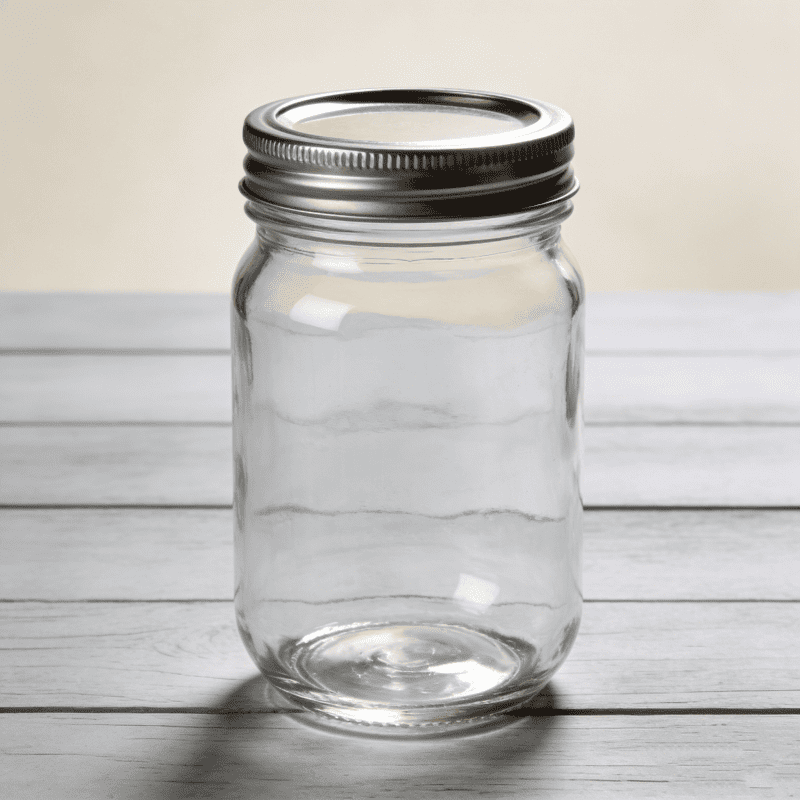
Why is it called a mason jar specifically regarding the patent? Because Mason invented the threaded screw-top design. Before 1858, jars were sealed with corks, wax, or clumsy covers. Mason’s innovation was cutting threads into the glass lip of the jar, which matched the threads in a zinc lid. This allowed the lid to be screwed down tightly, creating a seal that was far superior to anything else on the market.
This is the core of the mason jar origin. It wasn’t just a jar; it was a machine for preservation. This mason jar patent revolutionized the industry.
How the Mason Name Became a Generic Term
If you search for mason jar Wikipedia information, you will find that John Landis Mason didn’t die a wealthy tycoon. Unfortunately, he expired his patents before he could fully capitalize on them. Once the key patents expired around 1879, other glass manufacturers stepped in.
Companies realized the brilliance of the design and began producing their own versions. However, because the design was known as “Mason’s Patent,” the name stuck. Why are mason jars called mason even when made by other companies? It became a genericized trademark. People stopped asking for “a fruit jar with a screw top” and simply asked for a Mason jar.
Today, when you ask who invented the mason jar, the answer is still John Landis Mason, but the product belongs to the world.
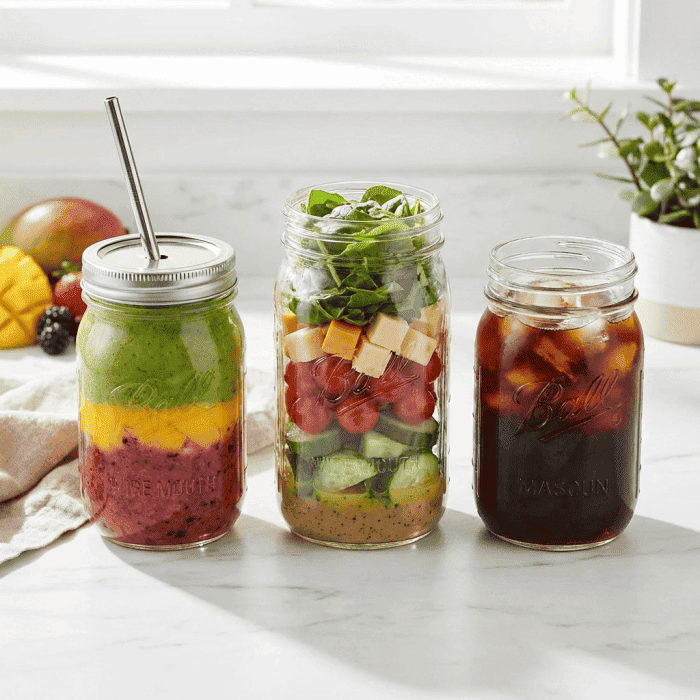
A Brief History of Mason Jars & Food Preservation
For you as a buyer, the origin of mason jars is interesting, but understanding the evolution of the market helps you sell them. The history of mason jars is actually the history of food security.
Food Preservation Before Mason Jars
Before the mason jar origin story began, preserving the harvest was difficult. People used salt, smoke, or drying racks. If they used jars, they sealed them with sealing wax poured over a cork—a method that was difficult to open and prone to failure. If the seal failed, the food spoiled, and the effort was wasted.
How Mason Jars Changed Canning and Home Storage
When the mason jar inventor introduced the screw thread, he democratized food storage. Suddenly, families could store summer harvests for the winter safely. This exploded in popularity during the World Wars when governments encouraged “Victory Gardens” and home canning.
This is why glass jars with lids for canning are still synonymous with self-sufficiency and quality. When you sell a mason jar for canning purposes, you are selling a tool that has been trusted for over 160 years.
Popular Brands and Designs Inspired by Mason’s Invention
A common point of confusion for customers is the battle of mason jar vs ball jar. You might hear customers ask, “Is this a Ball jar or a Mason jar?”
Here is the clarification: “Mason” is the style of the jar (the shape and threaded top), while Ball is a brand name. The Ball Corporation was one of the many companies that utilized Mason’s expired patent to mass-produce these jars. So, a Ball jar is a Mason jar. Other historic brands included Kerr and Atlas. Today, manufacturers like Smilebottles produce high-quality mason-style jars that meet these same historic standards of performance.
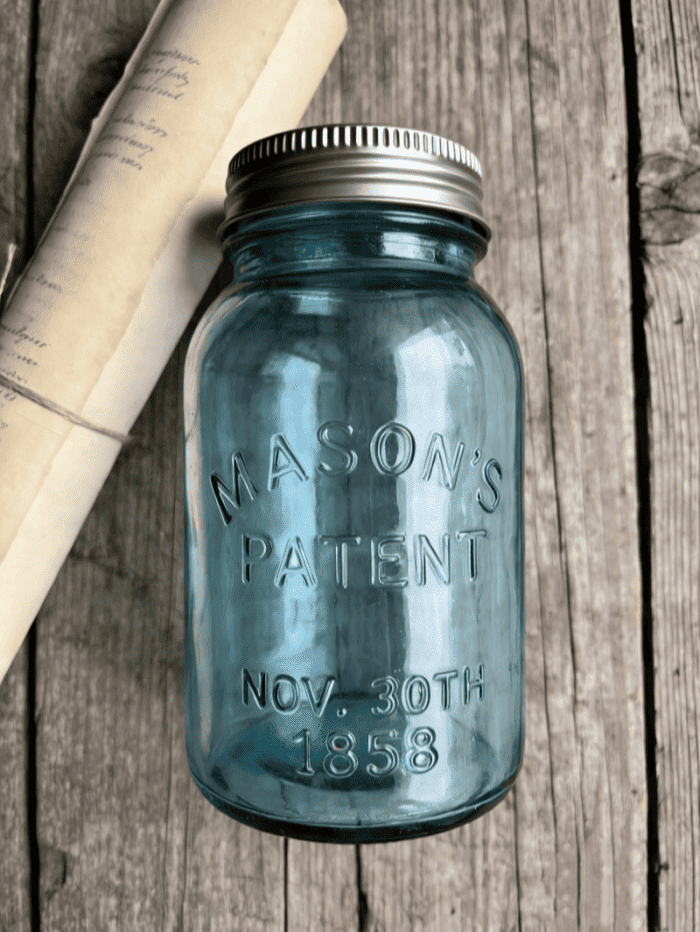
What Are Mason Jars Used for Today? (From Canning to Coffee)
The meaning of mason jar has shifted. It is no longer just a utility item for the root cellar; it is a lifestyle icon. When you are marketing your products, highlighting the versatility of mason jar uses can increase your sales volume.
Traditional Use – Canning and Preserving Food
The primary market remains food preservation. What are mason jars used for most often? Pickling cucumbers, making strawberry jam, canning tomatoes, and preserving peaches.
If you are selling to food manufacturers, you need reliable glass jars with lids for canning that can withstand industrial filling lines and water-bath canners. The seal integrity is paramount here.
Everyday Kitchen and Pantry Uses
Modern consumers love organization. Mason jar for storage is a massive search trend. People use them to store dry goods like rice, pasta, flour, and spices. The square glass jar with lid is particularly popular for this, as it fits efficiently on shelves without wasted space.
Meal prepping is another driver for mason jar ideas. Salads layered in quart jars or “overnight oats” prepared in 32 oz glass jars with lids wholesale are staples of the health-conscious consumer.
Mason Jars as Drinkware
Restaurants and cafes have transformed the mason jar for drinking into a chic trend. Serving iced tea, lemonade, or cocktails in a handle-less jar screams “rustic authenticity.”
Specific trends include:
Mason jar for coffee: Cold brew coffee looks beautiful in a clear glass jar.
Mason jar for smoothies: The wide mouth makes them easy to drink from.
Mason jar as water bottle: With a customized lid, it becomes an eco-friendly travel bottle.
Glass mason jars with lids and straws: These are hot sellers for summer events and promotional items.
Creative & Decorative Uses
Never underestimate the DIY market. Mason jar ideas for weddings and home decor are endless.
Potpourri jar with lid: A jar filled with dried flowers and scents, utilizing a vented lid.
Candle making: Mason jars are the number one vessel for craft soy candles.
Apothecary jar with glass lid: While technically different, mason jars are often used in bathrooms to hold cotton balls or swabs, mimicking the apothecary look.
Understanding Mason Jars in the Context of Other Glass Jars
As a buyer, you have options. You need to weigh cheap glass jars with lids against quality, and specific styles against generic ones.
Mason Jars vs Other Glass Containers
How does the mason jar stack up against other options?
Mason Jars Vs. Apothecary Jars: An apothecary jar with glass lid is usually not threaded. It sits loosely on top. These are strictly for storage or decor, not for transport or canning.
Mason Jars Vs. Clamp Lids: A glass jar with clamp lid (often called a bail lid) looks premium and is great for dry goods, but it is more expensive to manufacture and harder to automate on a filling line compared to a screw-top mason jar.
Mason Jars Vs. Standard Bottles: When choosing between a bottle or jar, consider viscosity. Jars are for spoons (jams, salsas); bottles are for pouring (sauces, dressings).
Popular Non-Mason Glass Jar Types for Your Business
While focusing on the mason jar origin, don’t ignore related products that might suit your inventory:
Vintage glass jars with glass lids: These appeal to nostalgia markets.
Old mason jars with glass lids: While we sell new jars, replicating this “old” look with glass-insert zinc caps is a premium option.
Square glass jars with lids or square glass jar with lid: These offer a modern twist on the classic round mason shape and are excellent for label facing.
Gallon glass jar lids and jars: Essential for kombucha brewing kits or bulk pickled egg sales.
Small sizes: Stocking one ounce glass jars with lids, 2 oz glass jars with lids, or 2 oz glass jars with metal lids allows you to serve the sample and cosmetic markets.
Buying Mason Jars and Glass Jars in Bulk
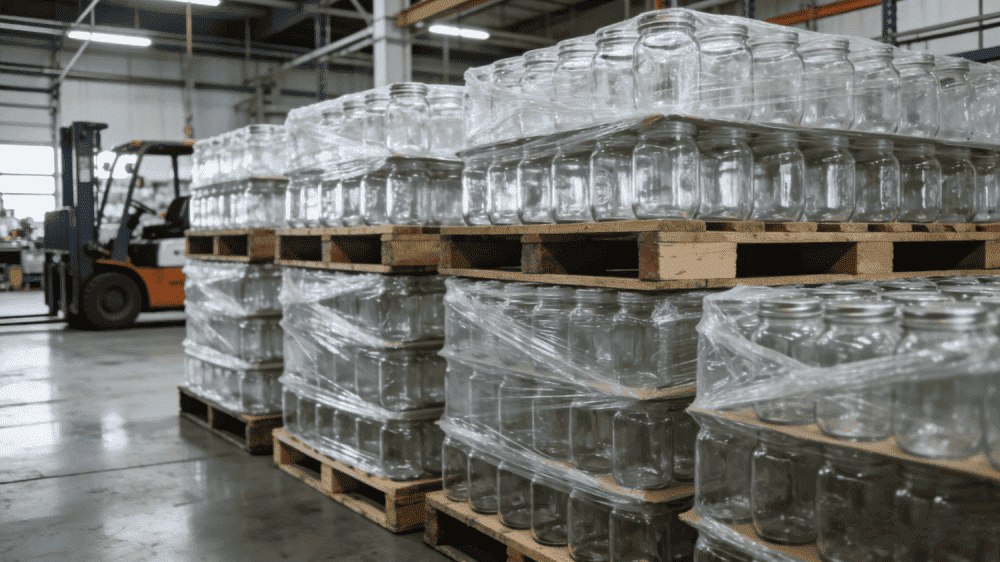
If you are a retailer or a food producer, buying bulk glass jars with lids is the only way to protect your margins. Sourcing cheap glass jars with lids doesn’t mean you have to sacrifice quality—it means you need to buy directly from a manufacturer like Smilebottles.
Consider mason jar packaging as part of your brand identity. A consumer seeing a product in a mason jar immediately associates it with “homemade,” “natural,” and “high quality.” It is a psychological trigger rooted in the history of mason jars.
The Principles and Innovations Behind Mason Jars (Technical View)
To sell them effectively, you must understand the mechanics.
How Mason Jars Seal and Protect Food
The magic lies in the interaction between the mason jars glass lids (or metal discs) and the jar rim. During canning, air escapes the jar as it is heated. As it cools, the remaining air contracts, pulling the lid down tightly against the rim. This vacuum seal prevents bacteria from entering.
Materials and Design Considerations
Not all glass is created equal. Mason jars with metal lids must be made of glass that is annealed properly to remove internal stresses.
Mason jars glass lids: Historically used with rubber rings; now mostly for storage.
Mason jars with metal lids: The industry standard. The underside of the lid is coated to prevent corrosion from acidic foods like tomatoes.
Introducing Smilebottles: Your Reliable Mason Jar & Glass Jar Manufacturer
You now know the history and the utility. Now, you need a partner.
Who We Are at Smilebottles
At Smilebottles, we are more than just a vendor; we are your strategic partner in glass packaging. We understand what mason jars are to the modern consumer—a blend of tradition and utility. We specialize in manufacturing high-quality glass bottles and jars that help your product stand out on the shelf.
Our Mason Jar and Glass Jar Product Range
We offer an extensive catalog to meet every need:
Classic Mason Series: Clear mason jar options in all standard sizes, wide-mouth mason jar, and regular mouth mason jar.
Bulk & Industrial: 1 gallon glass jar with lid, gallon glass jar lids, and 32 oz glass jars with lids wholesale.
Specialty: 2oz glass jars with lids for samples, square glass jars with lids for distinct branding, and glass jar with clamp lid options.
Decorative: Potpourri jar with lid styles and apothecary jar with glass lid replicas.
Customization, Packaging, and Bulk Orders
Do you want to create your own mason jar packaging? We offer OEM/ODM services. We can emboss your logo directly onto the glass, just like John Landis Mason did in 1858.
If you are looking for bulk glass jars with lids or cheap glass jars with lids for large-scale production, our factory-direct pricing ensures you stay competitive.
FAQs About Mason Jars
Here are answers to the most common questions your customers might ask you.
Q1: Are Mason Jars Named After a Person?
A1: Yes. Are mason jars named after a person? Absolutely. They are named after John Landis Mason, the mason jar inventor.
Q2: Who Invented the Mason Jar and When?
A2: Who invented the mason jar? It was John Landis Mason. When were Mason jars invented? The patent was granted in 1858.
Q3: Is ‘Mason Jar’ a Brand Name or a Generic Term?
A3: It is a generic term. While it started as a patented name, the meaning of mason jar has evolved to cover any canning jar with a screw-top finish.
Q4: Are Ball Jars the Same as Mason Jars?
A4: Mason jar vs ball jar? They are effectively the same in function. Ball is a brand name; Mason is the style of jar.
Q5: What Makes a Jar a Mason Jar?
A5: What is a mason jar compared to others? It is defined by its threaded neck intended for a screw band and lid, designed specifically for hermetic sealing.
Q6: What Are Mason Jars Used for Today?
A6: What are mason jars used for? Everything from canning pickles to serving iced lattes, organizing pantry staples, and even rustic wedding centerpieces.
Final Thoughts
So, why is it called a mason jar? It is a tribute to a brilliant invention by John Landis Mason that solved a global problem: how to keep food fresh. From the mason jar patent of 1858 to the mason jar uses we see on Instagram today, this simple glass container has proven its worth for over a century. Whether you need glass mason jar with lid sets for a retail boutique, or bulk glass jars with lids for a food processing plant, understanding the origin of mason jars helps you appreciate the quality and design required for these products.
If you are ready to source high-quality glass mason jars with lids and straws, canning jars, or custom mason jar packaging, look no further. Contact Smilebottles now. Let us provide you with the perfect glass solutions that honor history while building your brand’s future.