


Table of Contents
ToggleAuthor: SmileBottles Editorial Team
Estimated Reading Time: About 16 Minutes
The private label wine business has opened the door for entrepreneurs, restaurant owners, retailers, and even influencers who want to build something of their own in the wine world. The concept is straightforward: a winery makes the wine, and you sell it under your brand. You handle the identity, the packaging, and the sales. They handle the grapes and fermentation.
In this guide, we are going to walk you through the entire process. From understanding the business model to choosing the right glass bottle for your brand, you will get practical, honest advice on how to make this work. And if you are looking for a reliable glass wine bottle manufacturer to bring your vision to life, we will talk about that, too.
What Is Private Label Wine, and How Does It Work?
If you are new to this space, you might hear the terms private label wine and white label wine thrown around. They mean roughly the same thing. A winery or wine manufacturer produces the wine, but instead of selling it under their own name, they bottle it under yours.
Here is how the process typically works:
You find a private label winery or one of the many private label wine producers that offer this service.
You choose the type of wine — red, white, rosé, sparkling, whatever fits your market.
You develop your brand: name, story, label artwork, and packaging.
The winery bottles the wine with your label on it.
You sell it through your own channels.
Why Should You Consider Starting a Private Label Wine Brand?
There are plenty of wine business ideas out there, but few are as accessible as private label. Here is why this model keeps attracting new entrepreneurs.
Lower Startup Costs
When people ask how much does it cost to start a wine brand, they often expect a number in the millions. If you are building a winery from scratch, that might be true. But with private label, you can get started with a fraction of that. Your main expenses are the wine itself, the packaging, and your marketing.
You Don’t Need a Vineyard
This is the big one. You don’t need land. You don’t need farming equipment. You don’t need to worry about weather ruining your harvest. The private label wine suppliers you work with already have all of that covered.
Faster Time to Market
Because the wine is already made (or close to it), you can go from concept to finished product in a matter of months, not years. For anyone starting a wine business who wants to move quickly, this is a huge advantage.
There Is Real Demand
The wine market size keeps growing. Consumers today are more open than ever to trying new brands, especially ones with a good story and attractive packaging. Current wine market trends show that people are not as loyal to big-name wineries as they used to be. They want something fresh. That is your opportunity.
It Works for Many Different Businesses
You don’t have to be a traditional wine company. Restaurants are launching house wines. Hotels are offering exclusive bottles to guests. Influencers are building lifestyle brands around wine. Even people looking to run a wine shop from home are getting into the private label space. If you have an audience and a brand, you have a head start.

Step-by-Step: How to Start Your Own Wine Brand
Now let’s get practical. If you are serious about learning how to start a wine brand, here are the steps you need to follow.
Step 1: Know Your Market
Before you do anything else, figure out who you are selling to. Are you targeting premium wine collectors? Casual drinkers who grab a bottle for a weeknight dinner? Restaurants looking for an affordable house pour? Health-conscious consumers who want organic or low-sulfite options?
Your target audience will shape every decision you make, from the type of wine you choose to the bottle it goes in. This step is not glamorous, but it is the foundation of your entire business.
Step 2: Build Your Brand Identity
This is where things get exciting. You need a name, a story, and a visual identity. Think about what makes your brand different. Are you going for a luxury feel, a fun and casual vibe, or an eco-conscious positioning?
When you are figuring out how to create your own wine brand, remember that the story matters just as much as the product. People connect with brands that stand for something. Give them a reason to choose your bottle over the hundred others on the shelf.
Step 3: Find the Right Wine Partner
You need a winery that can produce the quality you want at the volume you need. When you are evaluating private label wine producers, look at their track record, their certifications, their production capacity, and whether they can handle export if you plan to sell internationally.
Some producers work with big orders only. Others offer private label wine no minimum arrangements, which can be helpful when you are just testing the waters. Ask questions. Request samples. Don’t rush this decision.
Step 4: Choose Your Packaging
Here is something that might surprise you: in wine, the packaging often sells the bottle before the wine inside does. The shape of the glass, the color, the weight in someone’s hand — all of these things create an impression.
You need to think about:
Bottle shape: Bordeaux, Burgundy, Champagne, or something custom.
Glass color: Clear, antique green, amber — each serves a different purpose.
Closure: Cork, screw cap, or synthetic? Each sends a different message.
Label and capsule: These are the finishing touches that complete the look.
Choosing the right wine bottle design is not just about aesthetics. It is about communication. A heavy, dark green Bordeaux-style bottle tells the customer this is a serious red wine. A sleek, clear bottle says this is a fresh, modern white or rosé.
Step 5: Source Your Bottles
This is a step that many first-time brand owners overlook until it becomes a problem. You need a dependable wine bottle factory that can deliver consistent quality, on time, at scale.
When you are looking for wine bottle suppliers, consider the following:
Do they offer the styles you need?
Can they handle the bulk wine bottles orders?
Do they offer customization — things like embossed logos or unique shapes?
What is their quality control process?
Can they ship internationally?
Working with wine bottle manufacturers who understand the wine industry makes a big difference. They can guide you on which glass thickness works best for your wine type, which colors offer the best UV protection, and which shapes are trending.
Step 6: Understand the Legal Side
Every country and state has its own rules about selling alcohol. If you are figuring out how to start a wine company, you need to get familiar with licensing, labeling laws, health warnings, and import/export regulations.
In the U.S., for example, you will likely need approval from the TTB (Alcohol and Tobacco Tax and Trade Bureau) for your labels. If you are selling online or across state lines, the rules can get complicated fast. Don’t skip this step. Hire a compliance consultant if you need to.
Step 7: Set Up Your Sales Channels
How are you going to get your wine into people’s hands? Most new brands use a combination of:
Direct-to-consumer (DTC): Your own website, wine clubs, or social media.
Wholesale: Selling to restaurants, bars, and retailers through private label wine wholesale channels.
Distributors: Partnering with established distribution networks.
Each channel has its own pros and cons. DTC gives you the highest margins but requires more marketing. Wholesale gives you volume but lower margins. Many brands start DTC and expand into wholesale as they grow.
Key Trends Shaping the Private Label Wine Market
If you want to build a brand that lasts, you need to understand where the industry is heading. Here are the wine industry trends you should be paying attention to.
Premiumization
Private label wines used to have a reputation for being cheap. That has changed completely. Today, consumers are willing to pay premium prices for private label products, especially if the branding and packaging are done right. This is great news for you — it means there is room for quality brands at every price point.
Sustainable Packaging
More and more buyers are paying attention to sustainable wine packaging. They want to know that your bottle is recyclable, that your labels use eco-friendly materials, and that you are thinking about your environmental footprint. Lightweight glass bottles, in particular, are gaining popularity because they reduce shipping emissions without sacrificing quality.
Direct-to-Consumer Growth
The pandemic accelerated online wine sales, and that trend is not going away. If you are learning how to start a wine business, building a strong online presence from day one is essential.
Personalization and Limited Editions
Consumers love exclusivity. Limited-edition runs, seasonal releases, and personalized labels are all strategies that drive engagement and sales.
Influencer and Lifestyle Brands
From celebrities to social media personalities, more people are launching wine brands tied to their personal brand. If you have an existing audience, this model can work incredibly well.

Choosing the Right Wine Bottle for Your Brand
Let’s talk about something that often gets overlooked in guides about how to start a private label wine business: the bottle itself.
Your bottle is not just a container. It is the first physical interaction your customer has with your brand. Before they taste the wine, they see the bottle. They pick it up. They feel the weight. They notice the shape. All of that happens in seconds, and it shapes their entire perception of your product.
Why Wine Bottle Design Matters
Think about it — when you are browsing a wine aisle, what makes you pick up one bottle over another? It is rarely the grape variety listed on the back. It is the overall look. The wine bottle design plays a massive role in whether your product gets noticed.
A well-designed bottle communicates quality, tells your brand story, and creates shelf presence. Get it wrong, and even great wine can struggle to sell.
Popular Wine Bottle Styles
Different wine types have traditional bottle shapes, and there are good reasons for those traditions:
Bordeaux: Straight sides, high shoulders. The most common and versatile shape. Perfect for Cabernet, Merlot, and blends.
Burgundy: Wider body, sloping shoulders. Traditional for Pinot Noir and Chardonnay.
Champagne/Sparkling: Thicker glass, deep punt. Built to handle the pressure of carbonation.
Provence/Rosé: Tall, elegant, narrow. Increasingly popular for rosé wines.
Custom Bottles for Brand Differentiation
If you really want to stand out, consider custom wine bottles. This might mean a unique shape, an embossed logo on the glass, or a non-standard size. Custom glass bottles cost more upfront, but they create a strong brand identity that is hard to copy.
Common Challenges and How to Handle Them
Every business has hurdles. When you are starting a wine business, here are some of the most common ones and how to deal with them.
Finding Reliable Suppliers
Whether it is your wine source or your bottle supplier, reliability is everything. A single shipment of defective bottles can delay your entire production run. That is why choosing proven wine bottle manufacturers and private label wine suppliers is so important. Check references. Ask for samples. Start with a smaller order to test the relationship.
Managing Costs
Between the wine, the bottles, the labels, the closures, the shipping, and the marketing, costs add up. Keep your initial product line small. You don’t need ten varietals on day one. Start with two or three, nail the quality and the branding, and expand from there.
Building Brand Awareness
You are new, and nobody knows your name yet. Invest in good photography, build a social media presence, and consider working with wine bloggers or local restaurants to get your product in front of real customers. Your wine bottle design plays a big role here — a photogenic bottle gets shared more on social media.
Navigating Regulations
Alcohol regulations are complex and vary by region. Budget for legal advice, especially if you plan to sell across state lines or internationally. Getting this wrong can cost you far more than a consultation fee.
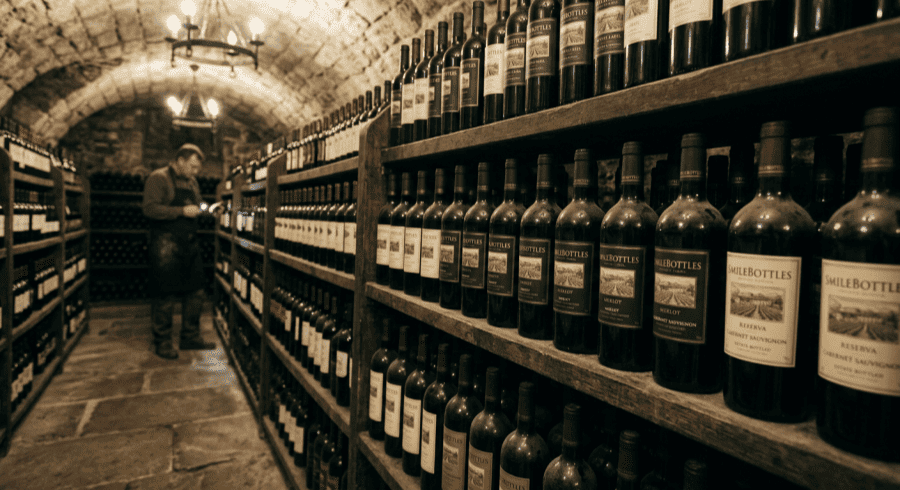
Why Smilebottles Is the Right Partner for Your Wine Brand
When you are ready to bring your brand to life, you need a partner who gets the wine industry. At Smilebottles, we are a professional glass wine bottle manufacturer with years of experience working with wine brands of all sizes.
Here is what we bring to the table:
A Wide Range of Bottle Options
Whether you need classic Bordeaux bottles, elegant Burgundy shapes, or something completely custom, we have the range to match your vision. Our catalog covers standard styles as well as specialty formats.
Custom Bottle Solutions
If you want custom wine bottles with embossed logos, unique silhouettes, or specific glass colors, our team can work with you from concept to finished product. We understand that your bottle is your brand’s face, and we take that seriously.
Reliable Production and Global Shipping
As a wine bottle factory with established production lines, we deliver consistent quality whether you are ordering 5,000 bottles or 500,000. We ship globally and understand the logistics of getting glass safely from our factory to your bottling line.
Bulk Pricing That Makes Sense
We work with businesses that buy bulk wine bottles, and our pricing is designed to support your margins. The more you order, the better the value — and we are transparent about our pricing structure.
Support for New and Growing Brands
Whether you are just figuring out how to make your own wine brand or you are an established producer looking for a new supplier, we offer guidance on bottle selection, glass quality, and design options. We want your brand to succeed because when you grow, we grow too.

FAQ Frequently Asked Questions About Wine Brand (Quick Answers)
Q1: How much does it cost to start a private label wine brand?
A1: It depends on your scale, but most small brands can get started with $10,000 to $50,000. This covers the wine, packaging, licensing, and initial marketing. Your highest variable cost will be the wine itself and the volume you order.
Q2: Do I need a winery to start my own wine brand?
A2: No. That is the whole point of the private label wine model. You partner with an existing winery or private label wine producers who handle the production. You focus on the brand and the sales.
Q3: How long does it take to launch a wine brand?
A3: From initial concept to your first bottle on the shelf, you are looking at roughly 3 to 12 months, depending on how quickly you finalize your branding, secure your wine source, and get your packaging ready.
Q4: What is the minimum order for private label wine?
A4: It varies by producer. Some offer private label wine no minimum deals, but most require at least a few hundred cases. On the bottle side, wine bottle manufacturers like Smilebottles can work with you to find an order size that fits your budget.
Q5: Can I customize wine bottles for my brand?
A5:Absolutely. Working with a wine bottle factory like Smilebottles, you can customize shapes, add embossed logos, choose specific glass colors, and create custom glass bottles that are unique to your brand.
Conclusion
Whether you have been thinking about how to start your own wine brand for years or the idea just hit you last week, the path forward is clearer than it has ever been.
You need three things: good wine, a strong brand, and the right partners. The wine comes from your producer. The brand comes from you. And the bottle — that critical first impression — comes from a wine bottle manufacturer you trust.
At Smilebottles, we have helped brands at every stage, from first-time entrepreneurs to established private label wine manufacturers looking to upgrade their packaging. If you are ready to take the next step, whether that is ordering bulk wine bottles, exploring custom glass bottles, or just asking questions about wine bottle design, we are here to help.


