



Table of Contents
ToggleAuthor: SmileBottles Editorial Team
Estimated Reading Time: About 18 Minutes
You’ve probably stood in front of a beer cooler and noticed something obvious yet puzzling: almost every single bottle is either brown or green. As someone sourcing glass beer bottles for your brewery or beverage company, you need to understand that this isn’t random. The color of your bottle directly impacts your product’s quality, shelf life, and brand perception.
Let me give you the straightforward answer first: brown beer bottles block harmful UV light that ruins beer flavor, while green beer bottles offer less protection but carry strong brand associations with premium imported beers. Your choice between these beer bottle colors will shape both your product’s stability and your market positioning.
Introduction: Why Beer Bottle Color Matters
When you’re planning to order wholesale beer bottles, the color decision affects more than aesthetics. You’re essentially choosing how well your beer will survive the journey from brewery to consumer. The wrong choice could mean customers opening bottles that smell like a skunk hit them in the face—not exactly the experience you want associated with your brand.
Think about it: your beer travels through warehouses, sits in trucks during transport, and spends weeks under bright retail lights. The glass color acts as your first line of defense against light damage. Beyond protection, the bottle color sends immediate signals to consumers about what kind of beer they’re buying, whether that’s a craft IPA or an imported lager.
Beer Bottle Colors Explained: Brown, Green, and Clear Glass
The Most Common Colors Used for Beer Bottles
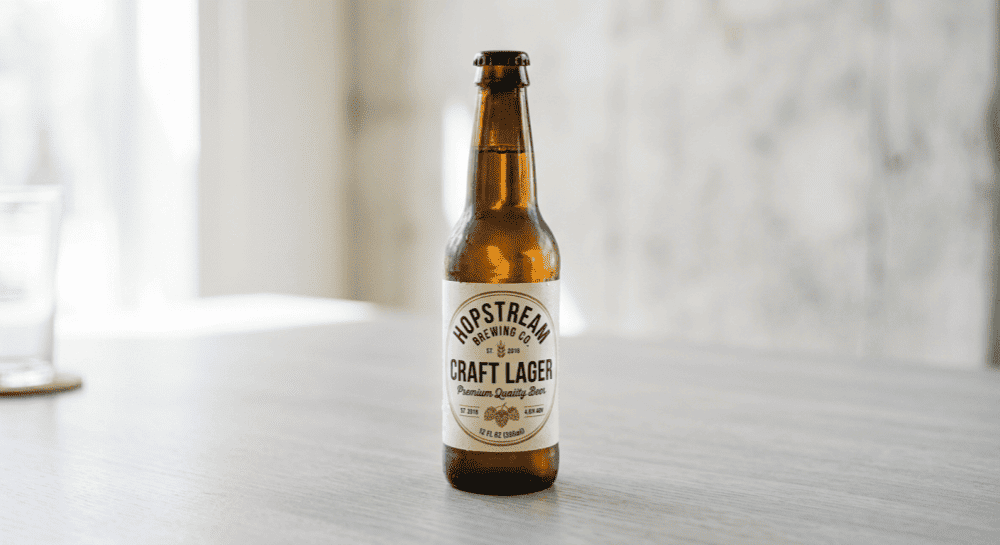
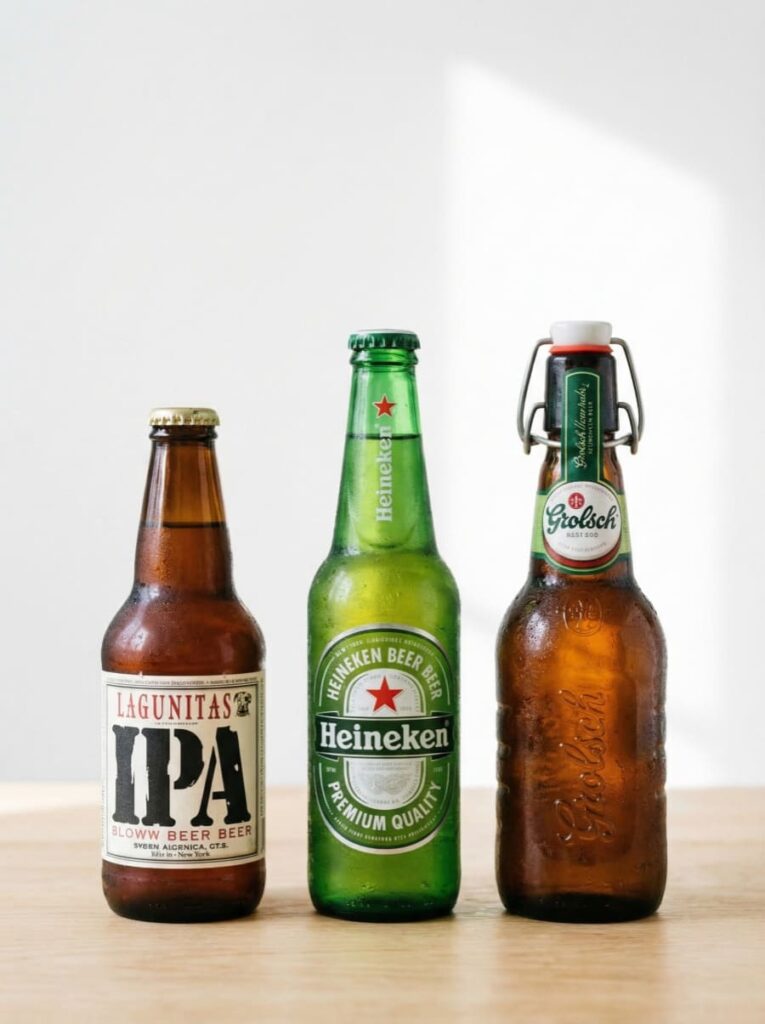
Walk through any beer aisle and you’ll see the same pattern everywhere. Brown glass beer bottles dominate the craft beer section, while green glass beer bottles often fill the import shelves. Clear bottles appear occasionally, usually for specific brands or styles. Each color serves a distinct purpose in the market.
What Each Color Means in the Beer Industry
Your bottle choice communicates before anyone reads your label. A brown beer bottle suggests serious brewing, traditional methods, and quality protection. When customers see beer with green bottles, they often think “imported,” “refreshing,” or “premium lager.” Clear bottles scream “beach beer” or “add a lime”—perfect for certain markets but risky for hop-forward brews.
Why Bottle Color Is More Than Just Appearance
Here’s what many buyers don’t realize: the color you choose affects everything from storage requirements to marketing strategies. If you pick green glass bottle beer for a heavily hopped IPA, you’re basically gambling with your product quality. But if you’re launching a European-style pilsner, that same green glass might be exactly what positions you in the premium segment.
Why Are Beer Bottles Usually Brown or Green?
Light Exposure Can Damage Beer
Let me explain the science without getting too technical. When UV light hits the hop compounds in beer, it triggers a chemical reaction. The iso-alpha acids from hops break down and combine with sulfur compounds naturally present in the beer. This creates a compound called 3-methyl-2-butene-1-thiol—the exact same chemical skunks spray. That’s why we call it lightstruck beer.
This isn’t some slow process either. Leave a clear bottle in direct sunlight for 15 minutes, and you’ve got skunked beer. Even the fluorescent lights in grocery stores can cause this reaction, which is why are beer bottles brown or green in the first place—to block these harmful rays.
Why Brown Beer Bottles Offer the Best Protection
Brown bottled beer isn’t just tradition—it’s science. The amber color blocks roughly 98% of UV light and most visible light wavelengths that cause skunking. When you’re wondering why is beer in a brown bottle, remember that brewers discovered this protection over a century ago, and nothing has beaten it since.
For you as a buyer, this means beers in brown bottles can sit longer in warehouses, survive bright retail displays, and maintain their intended flavor profile. If you’re investing in expensive hop varieties or brewing complex flavor profiles, a brown beer bottle brand gives you the best insurance policy.
Why Green Beer Bottles Remain Popular
So if brown is better, why are beer bottles green at all? The answer combines history with psychology. Green beer bottle brands like Heineken, Stella Artois, and Becks built decades of brand equity around that distinctive color. Consumers now associate beer green bottle packaging with European imports and premium positioning.
The green glass beer only blocks about 20% of harmful light, but many breweries accept this trade-off. They rely on faster turnover, covered shipping, and the fact that some consumers actually expect a slight “skunky” note from certain green bottle beer brands—it’s become part of their flavor identity.
Why Clear Beer Bottles Are Less Common
Clear bottles offer zero UV protection, which makes them risky for traditional beers. Brands using clear glass either use special hop extracts that don’t react to light, package in boxes that block light, or accept that their beer needs to be consumed quickly. It’s a bold choice that works for specific situations but isn’t suitable for most craft beers.
The History Behind Green and Brown Beer Bottles
Early Beer Packaging and Bottle Production
Before modern manufacturing, glass color depended on whatever minerals were in the sand. Most bottles came out greenish or clear, and brewers used whatever was available. Nobody understood why some beers spoiled faster than others—they just knew it happened.
How Brown Glass Became the Practical Standard
By the 1870s, brewers figured out that beer in darker bottles lasted longer. Once they understood that light caused spoilage, brown glass beer bottles quickly became the industry standard. It wasn’t about looks—it was pure function. Brewers who switched to brown bottles could ship beer farther and store it longer without quality issues.
Why Green Bottles Became Associated with Premium Beer
Here’s where it gets interesting. During World War II, there was a massive shortage of brown glass. The chemicals needed to make amber glass were redirected to the war effort. European breweries, especially those exporting to America, had to use green glass instead.
Because these were expensive, imported beers, Americans started associating green beer bottles brands with quality and sophistication. Even after brown glass became available again, brands kept the green because it had become their signature. Some American brands even created special green Budweiser bottle editions to tap into this premium perception.
How Tradition Still Influences Bottle Choices Today
Today, science clearly favors brown glass, but tradition keeps green bottles alive. If you’re launching a new beer and want to signal “European-style lager,” green glass immediately communicates that message. It’s marketing through packaging, and it works even though everyone knows brown protects better.
How Bottle Color Affects Beer Quality and Shelf Life
What Is Lightstruck Beer?
When your beer becomes lightstruck, customers will know immediately. The smell hits you as soon as you open the bottle—sulfury, skunky, unpleasant. Once this happens, there’s no fixing it. The beer is permanently damaged, and you’ve lost a customer.
Which Bottle Color Protects Beer Best?
Let me rank them for you:
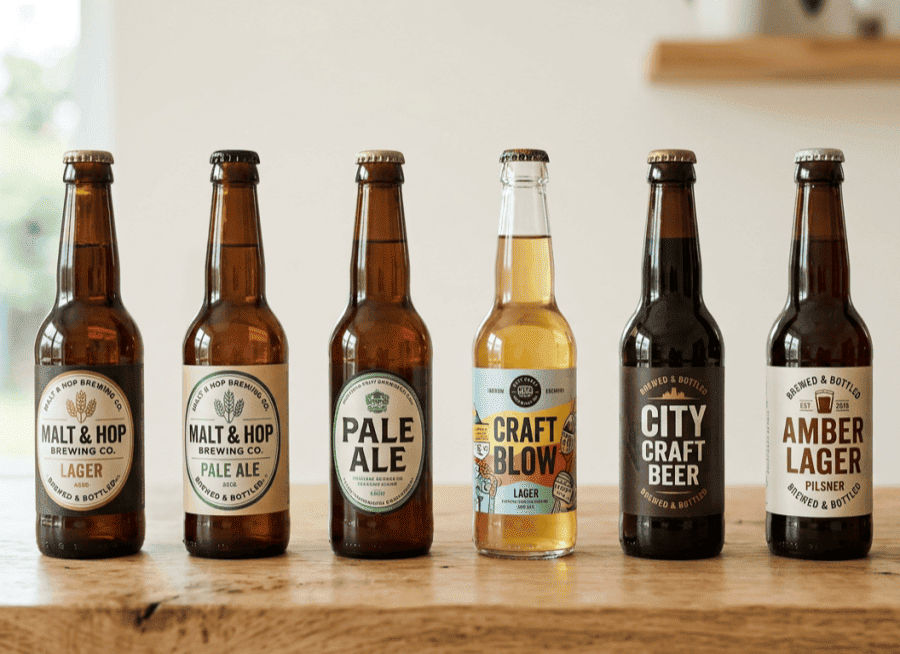
Brown glass beer bottles: Block 98% of harmful light
Green glass beer bottles: Block 20-30% of harmful light
Clear bottles: Block virtually no harmful light
This isn’t opinion—it’s measured science. If protection is your priority, brown wins every time.
Other Factors That Affect Beer Freshness
While bottle color matters enormously, it’s not the only factor. Temperature control during shipping, the quality of your crown seal, oxygen levels during bottling, and storage conditions all play roles. But here’s the thing: you can control all those other factors with good logistics. Once you choose your bottle color, you’re stuck with that level of light protection.
How to Choose the Right Glass Beer Bottle for Your Brand
Choose Based on Beer Type
Your recipe should drive your bottle decision. If you’re making an IPA loaded with Citra and Mosaic hops, you need brown beer bottles—no exceptions. Those expensive hop oils are incredibly light-sensitive. For a light Mexican-style lager with minimal hopping, you have more flexibility. Traditional German pilsners often come in green glass beer bottles because the style has lower hop levels and faster turnover.
Consider Storage and Distribution Conditions
Think about your supply chain realistically. If you’re selling everything through your taproom within days of bottling, bottle color matters less. But if you’re shipping to distributors who might warehouse your beer for months, you need maximum protection. Ask yourself: where will these bottles spend most of their time? Refrigerated darkness or fluorescent-lit store shelves?
Match Bottle Color with Your Branding Strategy
Your bottle is part of your brand story. A brown beer bottle brand says, “We prioritize flavor integrity.” Green beer bottles say “we’re connected to European brewing traditions.” Make sure your bottle color aligns with your overall brand positioning. Don’t put a triple IPA in green glass just because you like how it looks—your customers will taste the mistake.
Evaluate Bottle Size, Shape, and Finish
Beyond color, consider the complete package. Standard options include:
330ml (European standard)
355ml (12 oz American standard)
500ml (bomber size)
650ml (large format)
Long-neck bottles feel familiar to American drinkers. Stubby bottles stand out on shelves. Cork-and-cage finishes signal special releases. These decisions work together with color to create your total brand impression.
Balance Product Protection and Visual Appeal
Sometimes you need to make tough choices. Maybe green glass perfectly matches your brand colors and market position, but you’re brewing hop-heavy beers. In that case, you might need to invest in UV-resistant packaging, faster distribution, or even reformulate with light-stable hop extracts. There’s always a solution, but you need to be honest about the trade-offs.
Work with an Experienced Bottle Manufacturer
Custom colors, special coatings, and unique bottle shapes are all possible when you work with the right manufacturer. But remember: the more custom your bottle, the higher your minimum orders and the longer your lead times. Standard brown glass beer bottles or green glass beer bottles will always be easier to source quickly.
Smilebottles: Your Trusted Glass Beer Bottle Manufacturer
Wide Range of Glass Beer Bottle Options
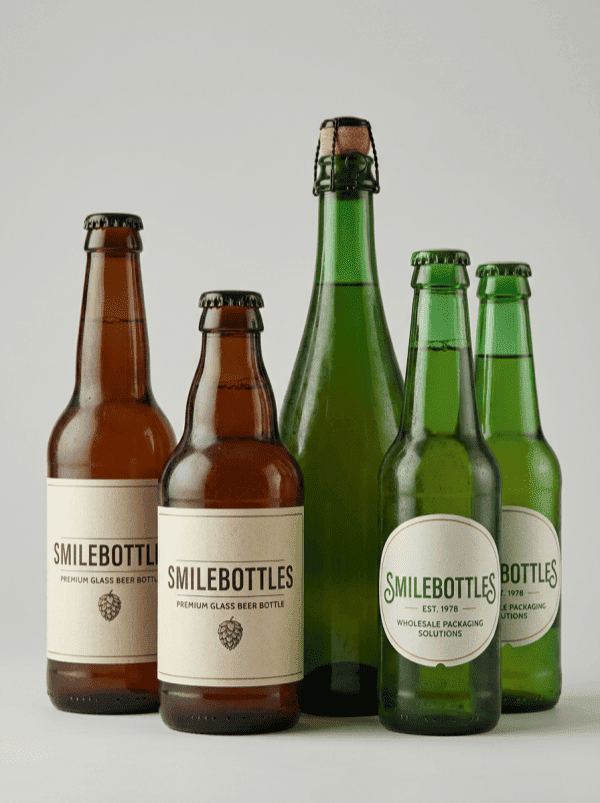
At Smilebottles, we keep an extensive inventory of both brown beer bottles and green beer bottles in all standard sizes. You don’t need to wait months for custom production when you need bottles fast. We understand that brewing schedules don’t always align with long manufacturing lead times.
Custom Packaging Solutions for Breweries and Beverage Brands
When you’re ready to differentiate your brand, we offer complete customization. Embossed logos, unique bottle shapes, and custom colors are all within reach. Our design team works directly with breweries to create bottles that protect your beer while expressing your brand identity. Whether you need a distinctive brown beer bottle brand look or want to explore beyond traditional colors, we have the capabilities.
Quality, Consistency, and Supply Reliability
Every bottle we produce goes through rigorous testing. We check for consistent wall thickness, pressure resistance, and color accuracy. When you’re running a high-speed bottling line, the last thing you need is variation in bottle dimensions causing jams or seal failures. Our quality control ensures your production runs smoothly.
Sustainable and Recyclable Glass Packaging
Glass remains one of the most sustainable packaging options available. It’s infinitely recyclable without quality loss, and consumers increasingly value eco-friendly packaging. When you choose our glass beer bottles, you’re making an environmentally responsible choice that resonates with modern consumers.
Why Customers Choose Smilebottles
We’re not just selling bottles—we’re supporting your business growth. Our team understands the beverage industry’s unique challenges, from seasonal demand spikes to rapid SKU proliferation. We maintain the flexibility to handle everything from small craft breweries ordering their first pallet to established brands needing millions of bottles annually.
FAQ Frequently Asked Questions About Beer Bottle Colors
Q1:Why Are Most Beer Bottles Brown?
A1:Beers in brown bottles dominate because brown glass provides the best protection against UV light. It prevents the chemical reaction that creates skunky flavors, keeping your beer tasting as intended for longer periods.
Q2:Why Do Some Beers Come in Green Bottles?
A2:Beer brands green bottles often choose this color for historical and branding reasons. While green provides less light protection than brown, it carries strong associations with imported and premium beers.
Q3:Are Brown Beer Bottles Better Than Green Bottles?
A3: For light protection, absolutely. Brown glass beer bottles block roughly 98% of harmful light, while green only blocks 20-30%. However, “better” depends on your priorities—if brand perception matters more than maximum protection, green might work for your specific situation.
Q4:Why Are Clear Beer Bottles Used?
A4: Clear bottles offer zero light protection but provide complete product visibility. Brands using clear glass either employ special hop extracts that don’t react to light or accept shorter shelf life in exchange for visual impact.
Q5:Do Bottle Colors Affect Beer Taste?
A5:The glass itself adds no flavor, but the light protection absolutely affects taste. Poor light protection leads to lightstruck beer, which develops distinctive skunky flavors that overwhelm the intended beer profile.
Q6:What Is the Best Bottle Color for Craft Beer?
A6:For most craft beers, especially hop-forward styles, brown beer bottles are the clear winner. They provide maximum protection for those delicate hop compounds that define modern craft beer.
Q7: Can I Customize the Color of Glass Beer Bottles?
A7:Yes, but it requires significant volume commitments. Most manufacturers, including Smilebottles, can produce custom colors, but you’ll need to meet minimum order quantities that make sense for custom production runs.
Q8:Are Glass Beer Bottles Recyclable?
A8:Glass is one of the most recyclable packaging materials available. Glass beer bottles can be recycled indefinitely without quality degradation, making them an environmentally responsible choice.
Conclusion
Your bottle color choice boils down to understanding what matters most for your specific situation. If you’re prioritizing flavor stability and shelf life, brown glass beer bottles are the obvious choice. They’ve protected beer for over a century and remain unmatched for UV blocking. But if you’re building a brand that needs to communicate premium positioning or European heritage, green glass beer bottles might be worth the trade-off in protection. Many successful green bottle beer brands prove that marketing power can outweigh technical limitations when executed properly.
Whether you need reliable wholesale beer bottles for your growing brewery or want to explore custom packaging options that set your brand apart, the key is working with a manufacturer who understands both the science and the business of beer packaging. At Smilebottles, we’re ready to help you find that perfect balance between protection and presentation that makes your beer successful in the market.


