


Table of Contents
ToggleAuthor: SmileBottles Editorial Team
Estimated Reading Time: 12 Minutes
When you pick up a premium bottle of Cabernet or Chardonnay, your thumb often naturally finds its way to the indentation at the base. For consumers, this is often just a habit or a sign of “fanciness.” But for wine brands, bulk buyers, and glass retailers, understanding the bottom of a wine bottle is a critical business decision.
At SmileBottles, we know that every curve of a glass container serves a purpose. From the weight of the glass to the depth of the indent, these features impact logistics, breakage rates, marketing perception, and even the chemistry of the wine inside. In this comprehensive guide, we are going to look at the glass bottle base through the eyes of a manufacturer. We will explain the history, the engineering physics, and the marketing psychology behind the punt in wine bottle designs. Whether you are launching a new vintage or restocking your inventory, this guide will help you choose the perfect packaging.
Why the Bottom of a Wine Bottle Matters
For a casual drinker, the bottle is just a vessel. For a brand owner, the bottle is the first handshake with the customer. The bottom of the glass bottle design might seem like a minor detail compared to the label or the cork, but it is actually the foundation of your product’s structural integrity.
Why is there so much curiosity around this feature? You will often hear consumers ask, “Why do wine bottles have a dimple in the bottom?” or assume that a flat bottom means cheap wine. While these are common misconceptions, the reality is rooted in manufacturing and physics.
As a professional glass bottle manufacturer, SmileBottles deals with these questions daily. We help clients navigate the trade-offs between a deep, heavy punt and a flat, eco-friendly base. Understanding the wine bottle’s concave bottom helps you make smarter decisions about shipping costs, shelf stability, and brand positioning.
A Quick Look at How Wine Bottles Are Built
Before we dive deep into the indent, let’s briefly look at the anatomy of the container. To order the right product, you need to know more than just the volume. For a detailed understanding, you can refer to our previous blog post: Learn a glass wine bottle the parts of wine bottle
The Finish & Neck: This dictates your closure (cork vs. screw cap).
The Shoulder: Varies by region (sloped for Burgundy, high for Bordeaux).
The Body: The main labeling area.
The Heel & Base: The bottom corner and the floor of the bottle.
The base is where the magic happens regarding stability. If the glass distribution at the bottom of bottle of wine is uneven, the bottle becomes fragile. This is where the punt comes into play, acting as a structural unifier for the rest of the bottle.
Understanding the Base Indent: What Is a Wine Bottle “Punt”?
The technical term for the indentation on the underside of a bottle is the “punt,” though some people colloquially refer to it as a “kick-up” or simply a wine bottle dimple.
Historical Origins
The punt in wine bottle manufacturing dates back to the era of mouth-blown glass. When glassblowers created bottles by hand using a blowpipe and a pontil rod, the process left a sharp scar on the bottom of the glass. To prevent this sharp point from scratching tables or making the bottle unstable, the glassblower would push the soft glass upward while it was still hot.
This created the concave wine bottle shape we recognize today. It was a practical solution to a manufacturing byproduct.
Modern Application
Today, machines have replaced lung power. Modern molds can easily produce flat-bottomed bottles without scars. So, why do wines have punt features now?
The answer lies in tradition and engineering. The wine hole (as some customers jokingly call it) was kept because the industry realized it offered significant benefits beyond just hiding a glass scar. It evolved from a necessity of hand-blowing to a staple of industrial design.
The Real Reasons Behind the Indent in Wine Bottles
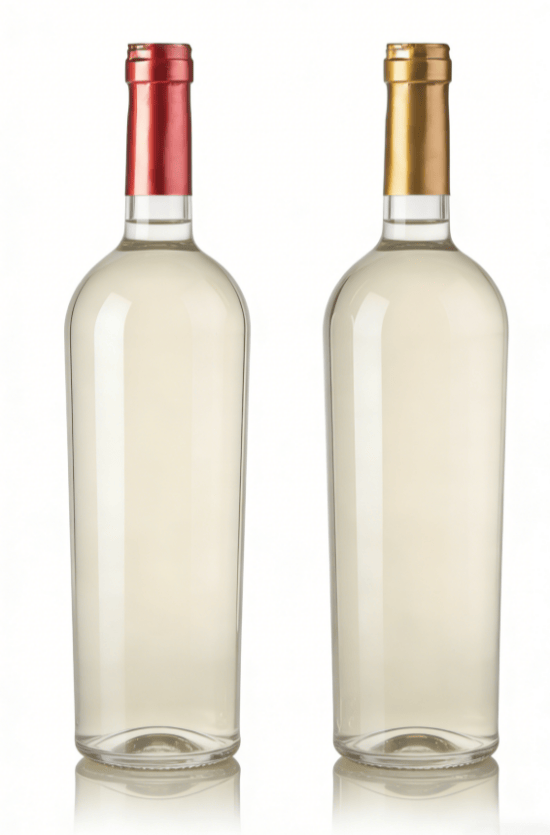
If you are sourcing bottles for your winery, you need to justify the cost. Bottles with deep punts often use more glass and take up more space in shipping crates. So, what is the ROI? Here is the professional breakdown of why do wine bottles have an indent in the bottom.
1 Strength and Pressure Distribution
Glass is strong, but it is brittle. The weakest point of a cylindrical container is usually the center of the base. If the bottom is flat, internal pressure can cause the glass to bulge or shatter.
This is critical for sparkling wines. Champagne and sparkling wines generate massive internal pressure (up to 90 psi). A concave bottom of wine bottle distributes this pressure outward toward the walls of the bottle, which are stronger. The arch is one of the strongest architectural shapes, and the punt utilizes this arch principle.
To understand the importance of this, we can look at what happens when glass isn’t designed for pressure. For example, a corona blow-up beer bottle scenario (a viral internet phenomenon where bottles shatter unexpectedly) often happens due to flaws in glass integrity or extreme pressure changes that the bottle’s shape couldn’t handle. While that is extreme, a proper concave wine bottle bottom ensures your expensive vintage doesn’t explode during transit or storage.
2 Sediment Separation
For red wines that are aged for long periods, sediment (tartrates and tannins) will eventually precipitate out of the liquid. If the bottle has a flat bottom, pouring the wine stirs this sediment up, making the glass cloudy.
A deep wine bottle punt creates a narrow ring at the bottom where sediment can settle. When the sommelier pours, the sediment stays trapped in the “valley” around the punt, allowing for a cleaner pour.
3 Stability on the Conveyor Belt
From a manufacturing perspective at SmileBottles, we prefer a designed base. A bottle with a completely flat bottom can sometimes be slightly uneven due to the cooling process of glass, making it wobble—this is called a “spinner.”
A concave bottle of wine sits on a ring of glass (the heel) rather than the entire surface area. This ensures the bottle stands upright steadily on filling lines, labeling machines, and store shelves.
4 Handling and Pouring
You have likely seen a waiter pour wine by holding the very bottom of the bottle, with their thumb inserted into the divot. This technique provides excellent leverage. The wine punts act as a grip point, making it easier to rotate the bottle while pouring to prevent drips.
While this isn’t the primary engineering reason, it is a massive factor in hospitality. A bottle that is easy to handle is a bottle that sommeliers love to sell.
5 Perception of Quality
This is the marketing secret: consumers associate weight and depth with value. A wine bottle punt quality perception exists where buyers subconsciously believe that a deeper punt equals a more expensive wine.
While this isn’t always true (plenty of great Rieslings come in flat-bottomed bottles), as a brand owner, you can leverage this. If you are selling a premium reserve Cabernet, using a bottle with a significant indent in the bottom signals luxury before the cork is even popped.
Behind the Scenes: How Indents Are Formed
At SmileBottles, we believe in transparency. How do we create that perfect bottom of glass bottle shape?
The Molding Process
Glass bottles are made using a generic “Blow and Blow” or “Press and Blow” method.
1. Molten glass (gobs) is dropped into a blank mold.
2. Compressed air pushes the glass into the shape of the parison.
3. The parison is transferred to the final mold.
4. The bottom plate of the mold has a convex shape (a mound).
5. When the glass is blown against the bottom plate, it forms the concave wine bottle
What Are the Dots?
If you look closely at the bottom of wine bottle rims, you will often see a series of raised dots or bars. These are not Braille, nor are they random.
These dots on bottom of glass bottles serve as “knurling” or production codes. They help the manufacturing machines grip the bottle during rotation for labeling or printing. They also act as a batch code for quality control, allowing us to trace exactly when that bottle was made.
Custom Solutions From SmileBottles: Crafting Unique Wine Bottles
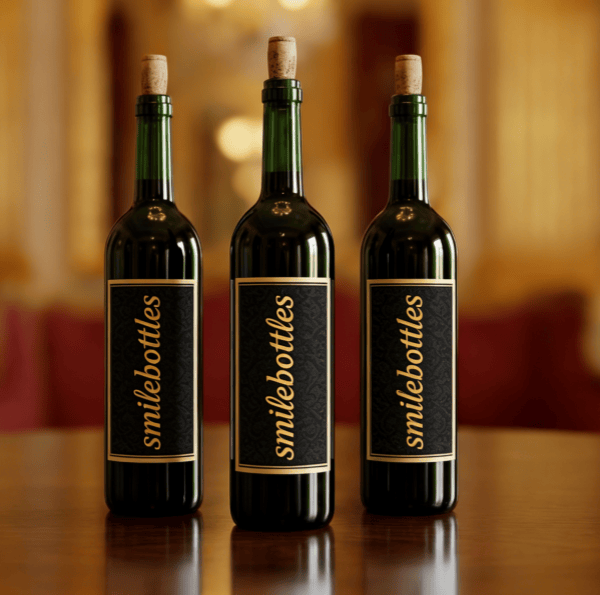
As the wine market grows more competitive, off-the-shelf solutions aren’t always enough. You need packaging that stands out. SmileBottles specializes in customizing the glass bottle base and body to fit your brand story.
Custom Punts and Embossing
We can create custom molds where the punt in wine bottle isn’t just smooth glass. We can emboss your winery’s logo or crest inside the punt. This is a subtle, high-end detail that customers notice when they finish the bottle.
Innovative Designs and Novelty
Sometimes, you need something totally different. We have seen a rise in requests for novelty shapes.
For example, gift sets often feature unique elements. We have worked with clients interested in a chocolate covered bottle of wine concept, where the bottle shape needs to be smooth enough to accept a coating but sturdy enough to be handled.
We also receive inquiries about functional additions, such as a glass loop or handle for bottle designs. While rare in standard 750ml wine bottles (common in jugs or “growlers”), adding a small handle to a large format bottle (like a Jeroboam) can be a great differentiator.
Wax and Seals
Premium brands often use wax dipping. The shape of the bottle affects this. A bottle with a tapered neck and a specific concave wine bottle bottom allows the bottle to be dipped and stood up to dry without the wax running messily.
Speaking of wax, have you ever struggled with dipping wax from wine bottles when opening them? We can design the neck finish to ensure that wax seals break cleanly, but the base is what keeps the bottle stable while the wax is applied on the production line.
The Flat Bottom Option
Not every wine needs a punt. For white wines, rosés, and spirits, a flat glass bottle base is sleek and modern. It also uses less glass, making the bottle lighter. This reduces shipping costs and lowers the carbon footprint—a major selling point for eco-conscious brands.
Does the Punt Affect the Wine?
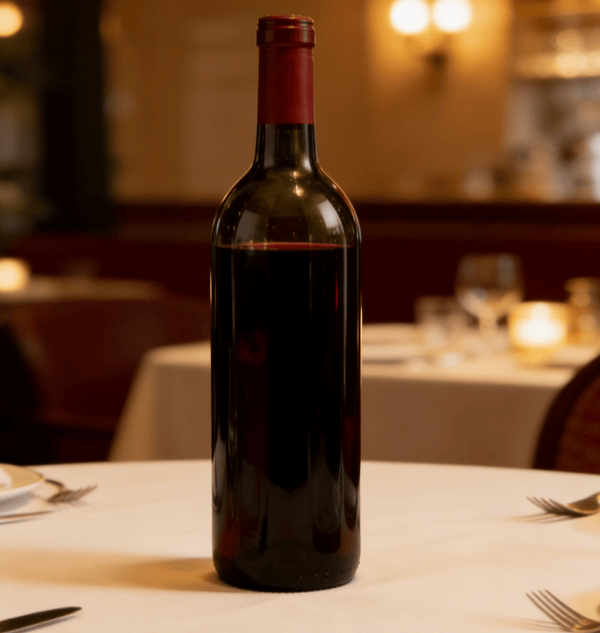
Let’s address some internet rumors. You might see search terms like why do wine bottles have a concave bottom linked to myths about cooling or fermentation.
Myth: The punt chills the wine faster.
Reality: Technically, a concave bottle of wine has more surface area in contact with the ice bucket water, which could theoretically cool it faster. However, the difference is negligible.
Myth: A deep punt means the wine is better.
Reality: This is a packaging choice, not a winemaking one. You can put cheap wine in a heavy bottle with a deep wine bottle punt, and you can put world-class wine in a flat-bottomed bottle (common in Alsace, France).
Myth: The punt catches all the sediment.
Reality: It helps, but decanting is still the best way to handle heavy sediment.
How to Choose the Right Bottle for Your Product
If you are a buyer for a wine brand, how do you decide on the right bottom of bottle of wine?
Consider the Varietal:
Sparkling: Must have a deep punt for pressure safety.
Bordeaux/Cabernet: Traditionally high shoulders and a medium-to-deep punt.
Burgundy/Pinot Noir: Sloped shoulders, usually a shallow punt.
Riesling/Alsace:T all, slender, usually a flat glass bottle base.
Consider the Price Point:
If your wine retails for over $50, consumers expect a heavy bottle with a deep indent in the bottom.
For entry-level table wines ($10-$15), a lighter bottle with a shallow punt or flat bottom is more economical and environmentally friendly.
Consider the Logistics:
Deep punts mean taller bottles or wider bases to maintain volume (750ml). Ensure your shipping cases and store shelves can accommodate the dimensions.
Environmental and Sustainability Considerations
The glass industry is changing. There is a strong push toward “lightweighting.”
A traditional bottle with a massive wine bottle dimple might weigh 900 grams. A modern, lightweight bottle might weigh only 400 grams.
While the deep wine punts look prestigious, they require more raw materials and energy to melt.
At SmileBottles, we offer “Eco-Premium” designs. These bottles simulate the look of a premium bottle—including a visible concave wine bottle bottom—but are engineered to use less glass in the body walls. This gives you the best of both worlds: the aesthetic of quality and the benefits of sustainability.
Final Takeaways: Why the Punt Remains a Timeless Design Feature
The bottom of a wine bottle is a perfect example of form following function. What started as a glassblower’s necessity has evolved into a vital tool for pressure management, sediment control, and premium branding.
Whether you call it a kick-up, a push-up, or simply ask why do wine bottles have an indentation in the bottom, the answer is a blend of history and physics.
As a brand, you have choices. You can go for the deep, dramatic concave bottle of wine to signal luxury, or a sleek, flat base for modern efficiency.
SmileBottles is here to guide you through that choice. We provide high-quality, defect-free glass bottles that ensure your product looks as good as it tastes. From standard molds to custom creations with unique dots on the bottom of glass bottles for tracking, we have the manufacturing capability to scale with your business.
(FAQ) Frequently Asked Questions About Wine Bottle Base
Q1: Why do wine bottles have a dimple in the bottom?
A1: The dimple, or punt, adds structural strength to the bottle, helps sediment settle in aged wines, and provides a grip for pouring. It is essential for sparkling wines to withstand pressure.
Q2: Does a deeper wine bottle punt quality mean better wine?
A2: Not necessarily. While premium brands often use deep punts for marketing aesthetics, the depth of the punt in the wine bottle does not influence the chemical quality of the liquid inside.
Q3: What is the “corona blow-up beer bottle” issue, and does it happen to wine?
A3: This refers to bottles shattering under pressure or impact due to poor glass quality or lack of structural support. A proper concave wine bottle bottom prevents this by distributing internal pressure evenly, which is why it is standard for carbonated drinks.
Q4: Can I order a custom bottle with a handle for bottle functionality?
A4: Yes. While rare for standard 750ml wine bottles, SmileBottles can manufacture large-format bottles or jug-style containers with handles for distinct branding.
Q5: Why do some bottles have a flat glass bottle base?
A5: Flat bases are common for wines that don’t need to age long (like whites and rosés) and for spirits. They are lighter, use less glass, and are more improved for the environmentally.
Q6: I am making a gift product, like a chocolate-covered bottle of wine. Does the shape matter?
A6: Yes. A smooth bottle with a moderate punt is easier to coat and handle during the dipping process compared to a bottle with aggressive ridges or an uneven base.
Q7: What are the dots on the bottom of glass bottles for?
A7: These are production codes used by the manufacturer (like SmileBottles) to track the mold number and batch time. They ensure quality control and traceability.
Conclusion
In the competitive world of beverage sales, every detail counts. The bottom of a wine bottle is more than just a footprint; it is a statement of quality, a tool for preservation, and a nod to glassmaking history. Whether you need the structural integrity of a deep wine bottle punt for sparkling varietals or the eco-friendly efficiency of a flat base, understanding these mechanics empowers your brand to make the best choice.
At SmileBottles, we are more than just manufacturers; we are your packaging partners. We understand the nuances of the glass bottle base and how it interacts with your filling lines and your customers’ perceptions.


