


Understanding the parts of the wine bottle is crucial for wine enthusiasts and professionals alike. These elements are crucial for brand promotion and for manufacturers who design custom wine bottle packaging. From the height of the wine bottle to its diameter, the sizes, shapes, and specifications of wine bottles vary greatly, and each has its specific purpose. Each wine bottle has its unique structure, and its components depend on the type of wine it contains.
A custom glass wine bottle and glass container manufacturer knows that knowledge is essential the ensure that every bottle of wine is of good quality. This guide contains all the detailed information about the names of the parts of wine bottles.
Table of Contents
ToggleEight Different Parts of a Wine Bottle
Closure
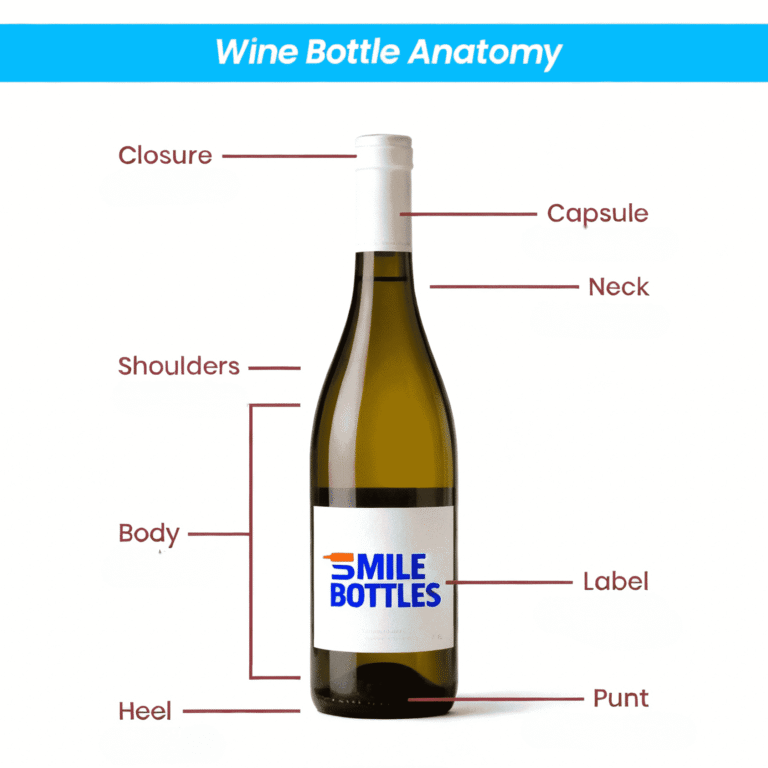
Closure is one of the important parts of a wine bottle. There are two common types of wine bottle caps for glass bottles: cork or screw caps. Because cork stoppers can better prevent air from contacting the wine to preserve the wine, they are more widely used in wine bottles. In addition, there are also plastic bottle caps available for selection. These bottle caps can also seal the wine after it is opened. Depending on the sealing performance, the odor of the cork stopper and the expected shelf life of the wine, there are various options for choosing the bottle cap.
Capsule
Capsule is a thin metal sheet that is heat-formed to wrap around the bottle stopper. It covers parts of the bottle stopper, the bottle mouth, and most of the wine bottle neck. This is done to protect the cork from drying out, preventing the evaporation of wine and ensuring quality control. It truly is an important part of a wine bottle. The main function of the capsule is not only to enhance the appearance of the bottle, protect the wine inside, but also to isolate dust and other factors that may affect the wine, making the wine safer and more hygienic when consumed.
Neck
The neck of the bottle refers to the narrower part wine bottle below the lip. If a bottle of wine is not opened, the liquid level of the wine should be near the neck. If the liquid level is lower than the neck, then some of the wine has evaporated, which may mean that the cork is damaged. When opening the bottle, pay attention to whether the cork is broken. The neck can provide a good grip when holding the bottle, so the wine bottle won’t be easily broken.
- One of the most important parts of a wine bottle is the neck. Important role of the wine bottle neck
- The bottleneck design of wine bottles serves multiple purposes:
- Holding and pouring: The slender shape of the glass bottle body provides a comfortable grip when holding it, facilitating the pouring process. This enables sommeliers and consumers to pour wine more smoothly and gracefully. Holding the bottle during the pouring process allows for better control over the speed and direction of the wine flow.
Shoulder
The shoulder refers to the slightly inclined part below the neckpart of wine bottle. As mentioned in the text, the design of wine bottles For different wine bottles, the shape and design of the shoulder are different. For example, Bordeaux wine bottles have a distinct shoulder, but Burgundy wine bottles do not. The shoulder is usually of three types: high shoulder, medium shoulder, and low shoulder. Different wine bottles can be chosen according to the needs.
Body
The body of the bottle is the largest part of a wine bottle and is used to hold the wine. Its diameter and height vary depending on the type of bottle, making it a crucial element in the bottle design. The wine bottle body is cylindrical in shape. Since the body is a vital part, wine bottle manufacturers pay special attention to the design of the body, especially for the packaging of premium wines and the customization of wine glass bottles. The design of the body needs to meet the requirements of brand specifications.
Label
The label will display relevant information about the wine and the brand. The front label mainly contains detailed information about the wine, the brand name, the year, the grape variety, and the alcohol content. The back label includes the origin, capacity description, and the wine name. Through decoration and label design, the glass bottle can be made more eye-catching. In some countries, the use of certain materials for labels is restricted, so it is necessary to determine how to produce the labels according to the regulations of different countries.
Heel
The heel is the bottom of the wine bottle. The heel is the only part of the wine bottle that comes into contact with the surface. It keeps the glass bottle upright and prevents it from falling. Depending on the type of wine it contains, the shape of each wine bottle varies. The types of wine bottles are also diverse, including tall ones and short ones, so their heel are also different accordingly.
Punt
The punt refers to the concave bottom part of the wine bottle. It plays a crucial role. The common perception of it is that it provides structural stability and strength to the wine bottle. Its main function is to provide support for the wine bottle to prevent it from breaking when dropped.
It can also accelerate the cooling speed of the wine. Some sommeliers insert their thumbs into the groove of the wine jug to make the pouring action appear elegant. This punt also provides a grip for the person pouring. Additionally, the depth of the groove depends on the manufacturer of glass container. Through customized glass bottlepackaging, people can design bottles according to the needs of customers and clients.
FAQ of Parts of a Wine Bottle
Are All Wine Bottles The Same?
The simple answer is no, wine bottles are absolutely not all the same. While most consumers are familiar with the standard 750ml wine bottle size, wine bottles vary significantly in size, shape, and even color, which traditionally corresponds to the type of wine they contain and the region where the style originated.
How Many Different wine Bottle Shapes Are There?
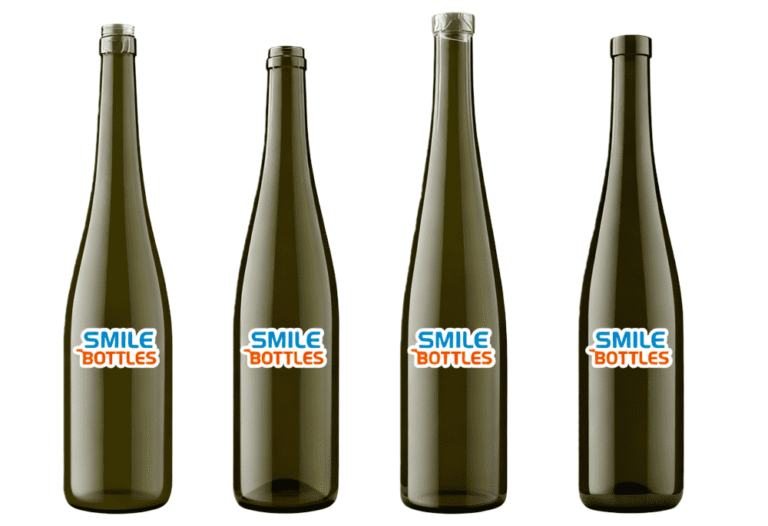
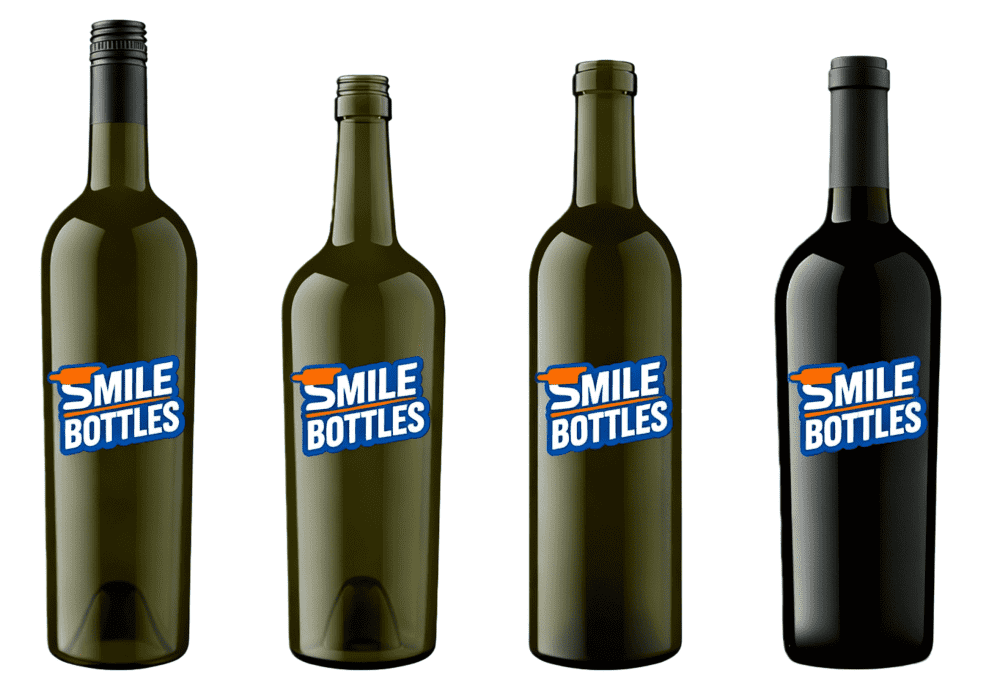
The shape of a wine bottle varies depending on the product and the market. Different wine bottles have distinct shapes. Here are some of the most popular wine bottle models.
1 Bordeaux/Claret bottle : Bordeaux bottles are one of the most popular wine bottle shapes globally, known for their tall and straight structure with high shoulders.
2 Burgundy bottle: This bottle has sloping shoulders and a wider bottom than the Bordeaux bottle.
3 Hock bottle: This type of wine bottle has a tall, slender shape with a long neck that curves slightly at the top.
4 Specialty bottles: The port bottle is one of the most recognizable wine bottles due to its distinct shape.
5 Provence bottle: This bottle has a sloping shoulder and a wide base, which makes it easier to store on its side while preserving its contents.
6 Tokaj bottle: This is an iconic Hungarian wine bottle with a bulbous bottom and long neck.
Why Does a Wine Bottle Have a Punt?
There are several reasons for the existence of the punt. Firstly, it is due to the consideration of structural strength. Wine bottles with a punt can maintain better stability. This is particularly important for wine storage. When placed flat, they are less likely to tip over. The punts also help in cooling the wine and collecting sediment, thus preserving the taste of the wine. Additionally, the punt provides a place for the thumb to rest when pouring wine, offering a stronger grip and making it easier to hold the bottle.
Conclusion
For anyone looking for a reliable glass container manufacturer, SmileBottlesshould be your top choice. What’s even better is that you can customize the glass packaging and components of wine bottles according to your needs. Because SmileBottles is an expert in its field. They can provide advanced techniques and global industry coverage services. If you need a practical and fashionable solution, please contact us.


