



Table of Contents
ToggleAuthor: SmileBottles Editorial Team
Estimated Reading Time: About 15 Minutes
As a business owner, product manager, or procurement specialist, choosing the right material for your packaging is one of the most critical decisions you will make. When browsing our catalog at Smilebottles, you likely see various specifications. The most common point of confusion we encounter is the battle of borosilicate glass vs tempered glass. While both materials are “stronger” than standard glass, they achieve this strength in completely different ways and serve very different purposes. Whether you are sourcing borosilicate glass bottles for premium beverages, laboratory droppers, or high-end cosmetic packaging, understanding these differences is essential for the safety and success of your product.
In this guide, we will break down the science, the safety, and the applications of these materials to help you make an informed choice for your wholesale glass bottles purchase.
What is the Real Difference Between Borosilicate Glass and Tempered Glass?
Before we dive into the technical details, let’s clear up the primary confusion. You might be asking, what is the difference between glass and tempered glass, or how does borosilicate fit into the picture? Here is the short answer:
Borosilicate Glass is the champion of heat and chemical resistance. It is the gold standard for laboratory equipment and a premium glass bottle for hot water or tea.
Tempered Glass is the champion of physical impact safety. It is widely used in construction, car windows, and shower doors.
However, when you are selecting a glass bottle manufacturer, you need to dig deeper into the difference between normal glass and borosilicate glass to ensure your product can handle the environment it will face—be it a freezer, an oven, or a backpack.
What is Borosilicate Glass?
To understand why we often recommend this material at Smilebottles, we must first address: what is borosilicate glass?
Composition and Manufacturing
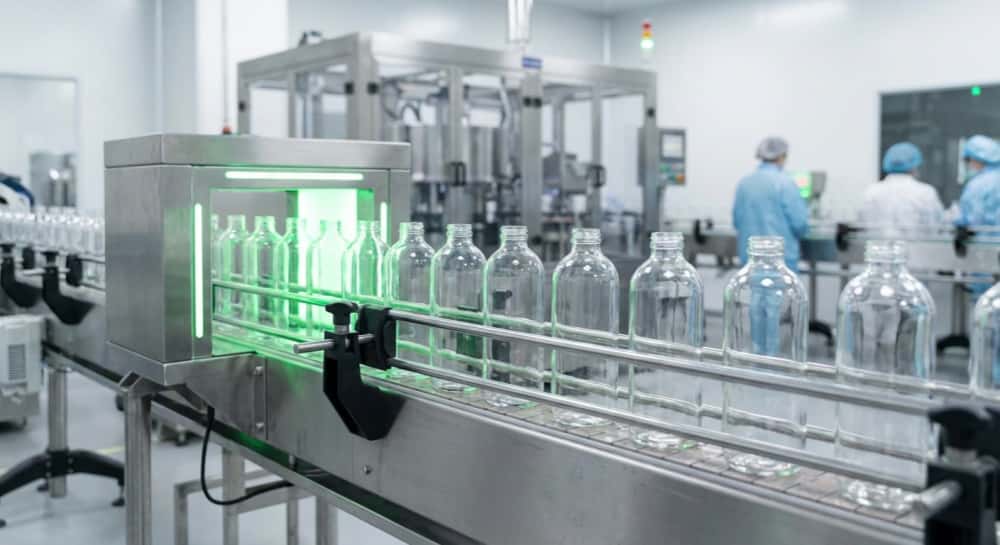
Define borosilicate glass: Unlike regular soda-lime glass (the standard glass used for windows and cheap jars), borosilicate glass adds a magic ingredient: boron trioxide. This is why you will sometimes hear it referred to as boron silicate glass or high boron glass.
How is borosilicate glass made? The manufacturing process involves melting raw materials—silica sand and boron trioxide—at much higher temperatures than standard glass. This results in a material that bonds more tightly and is harder to melt. It is a precise process that yields high borosilicate glass, known for its purity and clarity.
The Superpower: Thermal Stability
The defining feature of this material is its low coefficient of thermal expansion. In simple terms, this means the glass does not expand or contract much when the temperature changes.
This gives the material incredible thermal shock resistance and glass properties.
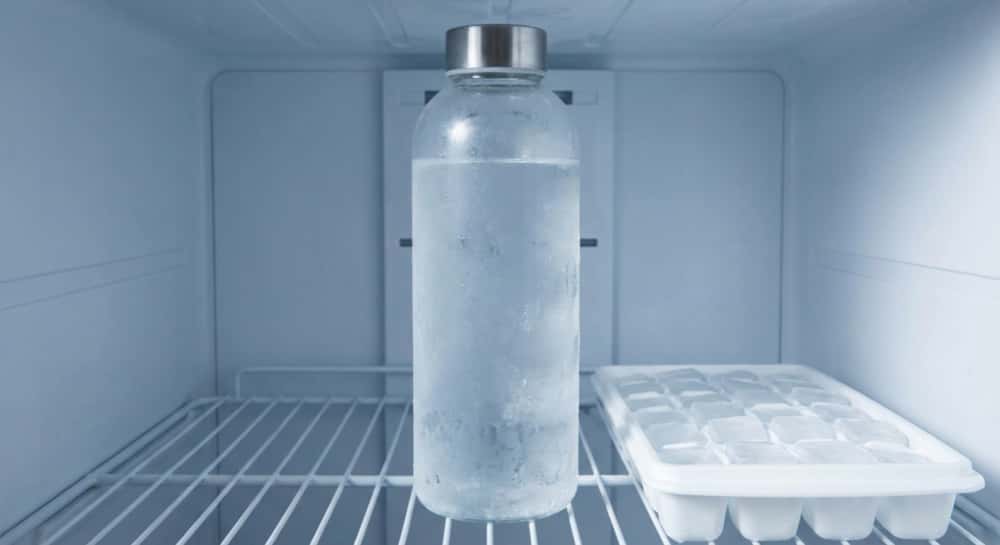
Will borosilicate glass break if heated? Generally, no. You can take a borosilicate water bottle from a cold fridge and pour boiling water into it without it cracking.
Is glass heat-resistant? Standard glass is not, but borosilicate heat resistance is exceptional, often handling temperatures up to 500°C (depending on wall thickness).
This is why borosilicate glass bottles are the preferred choice for pharmaceutical usage (like our dropper bottles) and premium hydration brands.
What is Tempered Glass?
Now, let’s look at the other contender. What is tempered glass made of?
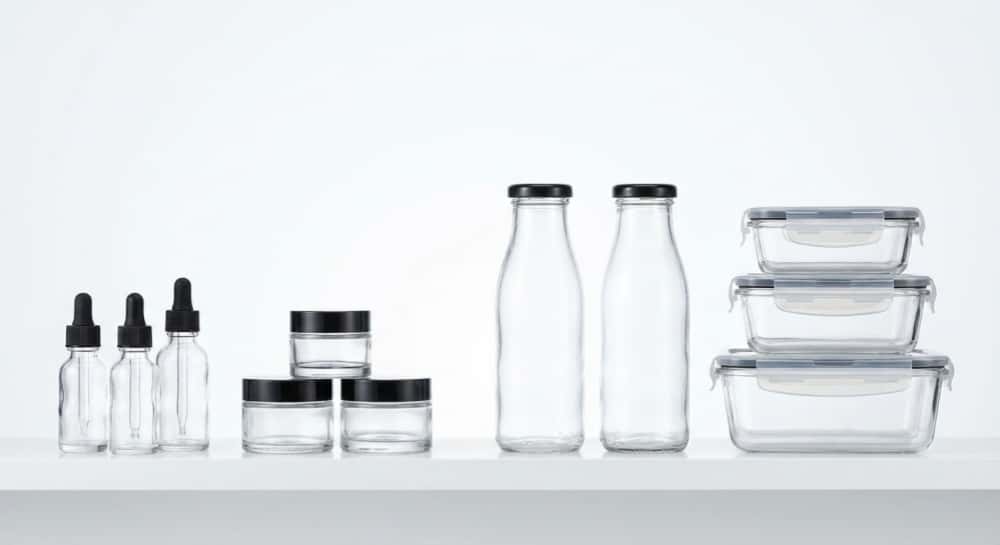
Tempered glass typically starts as ordinary soda-lime glass. It is processed to increase its physical strength. The goal here isn’t heat resistance; it’s safety from physical impact.
The Manufacturing Process
To create tempered glass jars or panels, standard glass is superheated and then rapidly cooled (quenched). This process locks the surface of the glass in a state of compression while the core remains in tension.
Strength and Breakage Patterns
Tempered glass vs borosilicate strength is a nuance. Tempered glass is used in applications where impact is likely—like phone screen protectors or sliding doors—because it is roughly 4 times physically stronger than untreated glass.
However, the main selling point is how it breaks. If you smash a tempered glass bottle (which is rare, as bottles are difficult to temper evenly), it shatters into thousands of small, blunt pebbles rather than jagged shards. This makes it a “safety glass.”
Borosilicate Glass vs Tempered Glass: The Showdown
When you are planning your product line, you need to compare these two naturally. Let’s look at the difference between borosilicate and tempered glass across key categories.
Thermal Shock and Heat Resistance
This is where borosilicate wins, hands down.
The tempered glass thermal shock resistance temperature difference is usually around 125°C. This is decent, but if you pour boiling water into a cold-tempered glass jar, you risk shattering it.
In contrast, borosilicate temperature range capabilities are vast. A glass bottle for tea made of borosilicate can handle rapid shifts of over 170°C. If you need an oven-safe glass container or a bottle that can be sterilized in an autoclave, you need borosilicate.
Durability and Impact
Is borosilicate glass breakable? Yes. While it is harder and more durable than standard glass, it can still crack if dropped on concrete. However, high borosilicate glass is generally thicker and more robust than cheap soda-lime glass.
Shockproof glass bottle marketing often refers to borosilicate protected by a silicone sleeve. While tempered glasses are harder to scratch and break by impact, they have a fatal flaw for bottle manufacturing: they cannot be easily molded into complex shapes (like precision dropper necks) after tempering.
The “Self-Explosion” Risk
A hidden danger in tempered glass is nickel sulfide inclusion. Tiny impurities can cause tempered glass to shatter spontaneously without being touched, due to internal stress. Borosilicate glass does not suffer from this issue. For a brand owner, this creates peace of mind.
Health and Safety: Is Borosilicate Glass Safe?
At Smilebottles, we know your customers care about what touches their beverages. We frequently get asked: is borosilicate glass toxic?
Chemical Purity
The answer is a resounding no. Is borosilicate glass safe? Yes. It is one of the most inert materials available.
Is borosilicate glass safe to drink from? Absolutely. It does not leach chemicals, flavors, or odors.
Does borosilicate glass contain lead? No. Is borosilicate glass lead free? Yes. High-quality borosilicate is free from heavy metals and toxins.
Is borosilicate glass food safe? Yes, it is the standard for borosilicate glass food safety. Unlike plastics which can leach BPA, or some low-quality ceramics which might contain lead, borosilicate glass is non toxic. It is the gold standard for purity, which is why we use it for our premium borosilicate tube vials and pharmaceutical packaging.
Navigating the Confusion: Pyrex, Mason Jars, and More
There is a lot of terminology in the glass industry. Let’s clarify some common search terms to help you navigate the market.
Borosilicate vs Pyrex
Pyrex vs borosilicate glass is a common debate. Historically, the brand Pyrex was made of borosilicate. However, modern consumer Pyrex (in the US) is often made of tempered soda-lime glass.
Is Pyrex tempered glass? Often, yes, nowadays.
What type of glass is pyrex? If you buy vintage or European lab-grade Pyrex, it is borosilicate. If you buy standard kitchenware, it might be tempered.
Pyrex glass vs borosilicate glass matters because if you are looking for true heat resistance for your private label bottles, you should specify “borosilicate” rather than relying on brand names.
Mason Jars and Other Containers
Are mason jars tempered glass? Usually, they are annealed soda-lime glass, not fully tempered. They can handle some heat (canning), but they are not as thermal-shock resistant as a high borosilicate glass bottle factory product.
Borosilicate Variations
You might see terms like borosilikatglas (German), boroscilicate, or borosillicate. These all refer to the same material borosilicate glass. When sourcing glassware for the laboratory or borosilicate wine glass products, simply ensure the manufacturer specifies the expansion coefficient (usually 3.3).
Why Borosilicate Glass Bottles Are Best for Your Business
If you are a retailer or brand owner, here is why you should choose borosilicate glass bottles from a trusted borosilicate glass bottle manufacturer like Smilebottles.
Premium Perception: The optical clarity of glass borosilicate is superior. It looks thinner, lighter, and more elegant than chunky soda-lime glass.
Versatility: A borosilicate glass bowl or bottle can go from the freezer to the microwave. This allows you to market your product as a microwave safe glass bottle or heat proof glass.
Durability: While no glass is unbreakable, durable glass like borosilicate resists chemical corrosion. Acidic juices or essential oils will not etch the glass over time.
Lightweight: Borosilicate glass material properties allow it to be blown thinner while maintaining strength, reducing your shipping costs compared to heavy tempered glass jars.
Why Smilebottles is Your Ideal Partner
Finding a high borosilicate glass bottle factory that understands both the science and the aesthetics of packaging can be difficult. At Smilebottles, we specialize in helping businesses like yours scale.
Whether you need wholesale glass bottles for a new cold-brew coffee line, heat resistant glass bottles for tea infusers, or precise dropper bottles for serums, we have the solution.
Customization: We don’t just sell generic stock. We help you design.
Quality Control: We ensure every borosilicate glass kettle, bottle, and jar meets strict safety standards.
Education: We assist you in understanding what is borosilicate glassware so you can market it correctly to your end consumers.
FAQ About Glass Materials
Here are answers to the most common questions we receive from buyers aiming to define borosilicate glass and its uses.
Q1. Is borosilicate glass better than tempered glass for water bottles?
A1: Yes. A borosilicate water bottle is lighter, chemically pure, and can safely hold boiling water for tea or coffee. Tempered glass bottle options are heavy and rare because the tempering process limits design flexibility.
Q2. Is borosilicate glass safe for food and daily use?
A2:100%. It is non-porous and hypoallergenic. Is borosilicate glass non toxic? Yes, it contains no lead or BPA.
Q3. Can I use borosilicate glass in the oven?
A3:Yes, it is excellent heat resistant glass. Unlike standard glass, borosilicate glass safe limits are very high, making it ideal for oven safe glass container applications.
Q4. Does borosilicate glass break easily?
A4: It is still glass, so it will break if dropped on a hard surface. However, it is more resistant to thermal stree than any other common glass. It is considered durable glass for daily use.
Q5. How do I know if it is real borosilicate?
A5: What is high borosilicate glass? It is glass with a high boron content. In the industry, we can test the borosilicate glass melting point and density. Visually, borosilicate glass is often clearer and has fewer bubbles than cheap recycled glass.
Q6. Is there such a thing as “tempered borosilicate”?
A6:Occasionally, you may hear of tempered borosilicate glass. While it is possible to temper borosilicate to add impact strength to its heat resistance, it is an expensive and specialized process usually reserved for heavy industrial sight glasses, not standard bottles. For most applications, standard borosilicate glassware provides the perfect balance of strength and performance.
Conclusion
In the debate of borosilicate glass vs tempered glass, the winner depends on your application. For windows and shower doors, choose tempered. But for the products you are likely sourcing—glass bottles, droppers, and kitchenware—borosilicate glass is the undisputed king. It offers the heat-resistant glass properties your customers demand, the purity required for health-conscious consumers, and the premium look that elevates your brand. Contact Smilebottles today. As your dedicated glass bottle manufacturer, we are ready to supply you with high-quality borosilicate glass bottles that blend safety, style, and science. Let’s create something reliable together.


