



Table of Contents
ToggleIn this guide, we will explore the heat resistance of glass packaging, specifically focusing on Mason jars, canning jars, and food jars. We will answer questions like are glass jars microwavable, discuss thermal shock, and provide the technical insights you need to market your products confidently.
The Basics of Glass Jars and Heat Resistance
To understand if you can microwave glass jars, you must first look at how they are made. Not all glass jars are created equal. The glass used in industrial food packaging is typically soda-lime glass, which is robust, chemically inert, and generally capable of handling high temperatures.
The Manufacturing Process of Glass Jars
Quality glass jars undergo a process called annealing. After the glass jars are molded, they are slowly cooled in a kiln to relieve internal stresses. If a manufacturer skips or rushes this process, the glass becomes brittle and prone to shattering under heat. At Smilebottles, our rigorous quality control ensures that our food jars are properly annealed. This is why when customers ask, are glass jars microwave safe, the answer for our products is a confident “yes,” provided usage guidelines are followed.
Types of Glass and Heat Resistance
Not all glass is the same. The most common types are:
– Soda-lime glass (used in most food jars and mason jars)
– Tempered glass
Soda-Lime vs. Borosilicate
While laboratory glass (Borosilicate) is famous for extreme heat resistance, standard food jars and microwave safe jars are usually made of high-quality soda-lime glass. This glass is durable and safe for microwave use, provided it is not subjected to extreme thermal shock (sudden temperature changes). This distinction is important for buyers to understand: your standard food jar is tough, but it isn’t invincible against physics.
Good-quality soda-lime glass—used by major mason jar manufacturers—is generally strong enough for microwave use, as long as there are no rapid temperature changes. This leads to a frequent question: are mason jars heat proof?
Understanding and Preventing Thermal Shock
There is one major enemy of glass jars: Thermal Shock. This is a concept that food manufacturers must understand to educate their customers properly.
Thermal shock occurs when glass jars experience a rapid temperature change. For example, take a jar of frozen sauce directly from the freezer and place it into a high-power microwave. The inside of the glass expands rapidly due to the heat, while the outside remains cold (or vice versa). This stress causes the glass to crack or shatter.
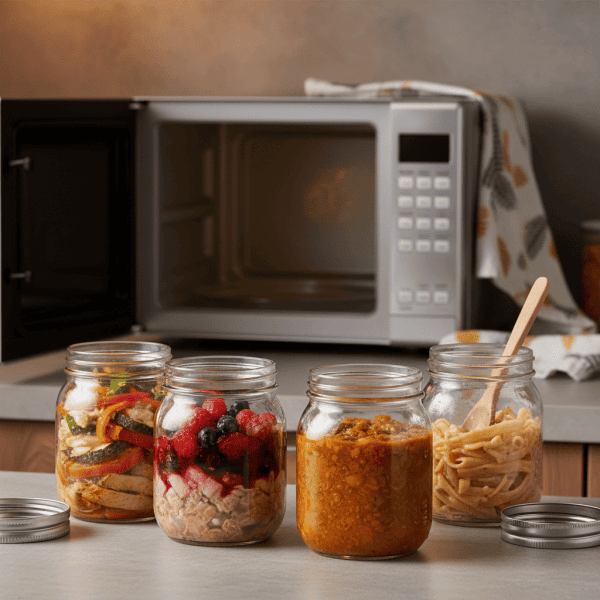
Different Type Glass Jar in the Microwave
Are Glass Jars Microwave Safe?
The answer is definitely yes. Glass is one of the safest materials for microwave use. High-quality food-grade glass does not leach chemicals, melt, or warp under normal heating conditions. Therefore, glass jars are widely used for food storage, beverage storage, and even medicines etc.
Are Canning Jars Microwave Safe?
True canning jars are built for thermal endurance. These jars are designed to be submerged in boiling water (212°F / 100°C) for extended periods. The environment of a microwave, while different, is generally within the tolerance levels of these jars.
When sourcing microwave canning jars for your product line, ensure you are buying hot fill or canning grade glass from Smilebottles, rather than thinner, decorative glass intended only for dry storage (like crackers or candy).
Can You Microwave Glass Jars That Are Decorative?
If a jar is thin-walled or has an irregular shape with varying thickness, it may not be suitable for the microwave. The uneven thickness can cause hot spots in the glass, leading to cracking. Always consult with us regarding the intended use of the bottle. If your end product is a heat-and-eat meal, you can use specific microwave safe glass jars designed for that purpose.
Mason Jars in the Microwave and Why Mason Jars Are Generally Safe?
Mason jars have transcended their original purpose of home canning to become a staple in food packaging and storage.
Mason jars are designed to withstand the high heat of pressure canning and boiling water baths. This inherent durability means that can mason jars go in the microwave is generally a safe proposition. However, for buyers purchasing in bulk, there are nuances to consider.
Can Mason Jars Handle Heat?
A common concern is, can mason jars handle heat generated by a microwave? Microwaves work by agitating water molecules, creating internal heat. Mason jars are built with thick walls to withstand the pressure of canning. This thickness allows them to distribute heat relatively evenly. So, are mason jars heatproof? No material is 100% “proof” against all heat levels, but they are highly heat-resistant. They can easily withstand the temperatures required to reheat food or beverages.
Comparing Standard Brands and Generic Options of Mason jars
If you use “Ball” as a generic trademark for all Mason jars. Consequently, you may often search for phrases like are ball glass jars microwave safe or can you microwave ball glass jars.
Major brands like Ball produce jars specifically for canning, meaning they are tempered to handle heat. If you are a retailer or a food manufacturer, you need to ensure your supplier provides jars that meet these same thermal standards.
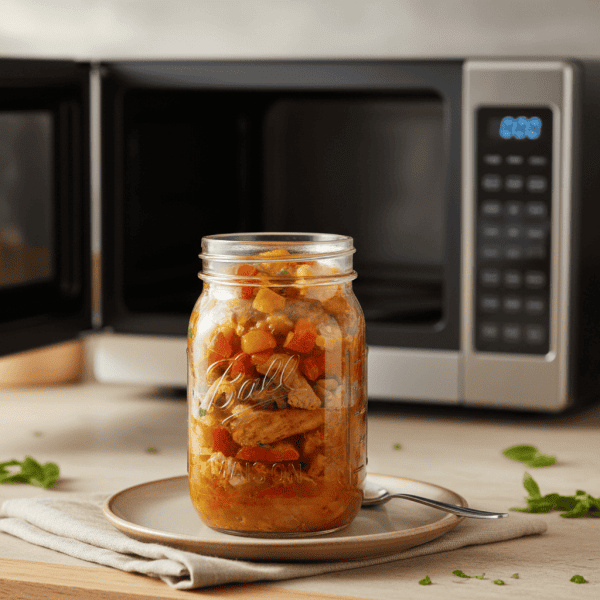
How to Identify Microwave Safe Glass Jars?
The Microwave Safe Symbol on Glass Jars
The easiest way to identify safety is to look for the microwave safe symbol on mason jars or food jars. This is usually a small icon of a microwave with wavy lines, located at the bottom of the glass.
However, not all industrial glass molds include this specific symbol, even if the glass is safe. You can add microwave safe instructions to your paper labels or packaging sleeves. This reassures the customer who is wondering, are glass jars microwavable?
Checking for Metal Content
While the glass itself is safe, decorations are not always. Glass jars with metallic paint, gold rims, or foil labels cannot go in the microwave. Glass jars are plain, clear, or colored glass without metallic additives and can microwave.
The Importance of the Lid: A Critical Safety Warning
One of the most vital pieces of safety advice you must pass on to your consumers concerns the lid. Can you put mason jars in the microwave with the lid on?Absolutely not.
Most Mason jar lids and industrial food jar caps are made of metal (tinplate or aluminum). Microwaving metal causes arcing—sparks that can damage the microwave and cause a fire. Furthermore, even if the lid is plastic, a sealed jar creates a pressure vessel. As the food inside heats up, steam expands. If the steam cannot escape, the jar will explode.
Can You Microwave a Mason Jar Without the Lid?
This is the correct method. You must instruct consumers to remove the metal lid and the ring before placing the glass jar in the microwave. If you wish to cover the food to prevent splatters, you should use a microwave-safe plastic cover or a paper towel.
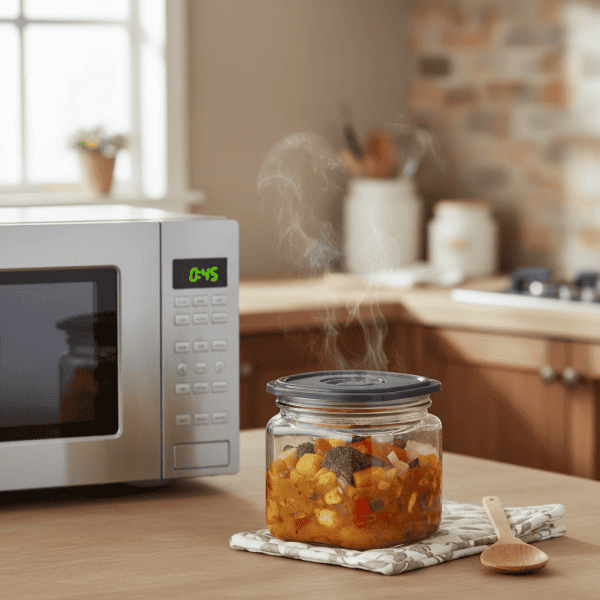
Tips for Using Glass Jars in Microwave
To ensure mason jars microwavable safe without breakage, provide these tips.When customers ask, can microwave mason jars(a common shorthand query), the answer is yes, but treat the glass with respect regarding temperature changes.
1Thaw first: Do not microwave frozen food jars. Let them thaw in the fridge or run them under warm water first.
2 Incremental Heating: Heat in short bursts (30-60 seconds) and stir. This prevents hot spots.
3 No Empty Food Jars: Never microwave an empty food jar. The energy needs to be absorbed by food or liquid; otherwise, it concentrates in the glass jars.
Benefits of Microwave Safe glass jars
Health and Safety (Chemical Leaching)
Plastic containers, even those labeled microwave-safe, can degrade over time. Consumers are increasingly wary of BPA and micro plastics leaching into their food during the heating process. Glass is chemically inert. It does not transfer flavors, odors, or chemicals to the food. By using microwave safe jars, you are offering a premium, health-conscious product.
Sustainability and Reusability
The modern consumer loves to reuse packaging. A sturdy glass jar that originally held pasta sauce often becomes a drinking glass, a food storage container, or a lunch vessel. Because mason jars can go in the microwave, your packaging becomes a reusable lunch container for your customer. This adds immense value to your product and boosts brand loyalty.
Premium Perception
Glass conveys quality. A soup sold in a robust, microwave safe jar feels like a premium product compared to soup in a plastic pouch or tin can. It allows the customer to see the product quality before buying and offers the convenience of heating directly in the vessel (lid removed, of course).

Purchasing microwave safe jars from Smilebottles, here is how you can maximize your success:
1 Specify Your Needs: When ordering, tell us if the product requires hot-filling or pasteurization. This helps us select the perfect glass temper for you.
2 Labeling: Consider adding a Microwave Safe (Remove Lid)icon to your label design. This proactive step answers the customer’s question are glass jars microwavable before they even have to ask.
3 Inspect for Damage: While we have strict quality controls, always inspect pallets for shipping damage. Cracked jars are never microwave safe.
Frequently Asked Questions (FAQ)
Here is a quick summary of common queries.
1 Q: Can you microwave canning jars safely?
A: Yes. True canning jars are designed for high heat. As long as they are not frozen when put in the microwave, they are safe.
2 Q: Are glass jars microwave safe if they are old?
A: Generally, yes. However, older jars might have microscopic chips or cracks. It is always safer to use new, high-quality jars from reputable manufacturers like Smilebottles.
3 Q: Can you microwave a mason jar without the lid effectively?
A: Yes, this is the only safe way. Always remove the metal lid.
4 Q: Can u microwave mason jars for boiling water?
A: While you can, it is generally safer to boil water in a kettle and pour it in. Microwaving water in smooth glass can sometimes lead to superheating, where water erupts when moved. This is a physics issue, not a flaw in the jar, but it is worth noting for safety.
5 Q: Are Ball glass jars microwave safe?
A: Yes, Ball jars are microwave safe.
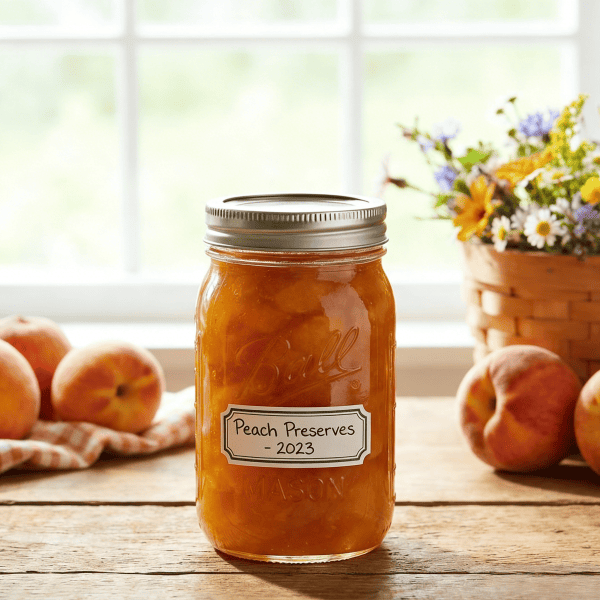
Conclusion
Glass jars intended for food use, such as Mason jars or canning jars. Choosing glass packaging is not just about aesthetics; it is about providing a safe, versatile, and sustainable option for the end-user. At Smilebottles, we are dedicated to supplying the highest quality glass packaging solutions. Our glass jars are tested, durable, and ready to meet the demands of modern convenience. By choosing our microwave safe jars, you are ensuring that your customers enjoy your product safely and conveniently, time and time again.


