Innehållsförteckning
VäxlaFörfattare: Redaktionen för SmileBottles
Beräknad lästid: About 16 Minute
Glass jars are used for food, cosmetics, supplements, candles, and home goods. The right one for your business depends on more than how it looks. It has to suit your product, work with your closure, run through your filling process, match your brand, and survive shipping. Where you buy it matters just as much as which style you choose.
This guide covers what to look for in a jar, the main places to source one, and how to tell a reliable supplier from a risky one. Whether you need a few thousand stock jars for a test launch or a fully custom design for a national rollout, it should help you make a better decision.
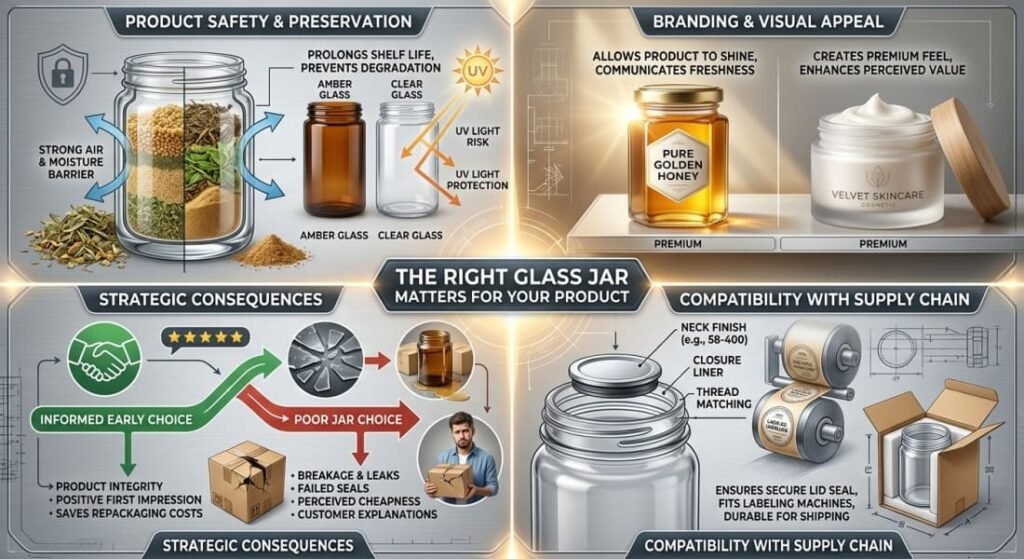
Why the Right Glass Jar Matters for Your Product
Packaging does far more than hold your product. It protects what’s inside, shapes the first impression on a shelf, affects how customers use the product at home, and decides whether your goods arrive in one piece. A poor jar choice usually shows up later as leaks, breakage, failed seals, or a product that looks cheaper than it is. Choosing carefully at the start saves you from reordering, repackaging, or explaining damaged shipments to customers.
Product Safety and Preservation
Glass has been trusted for storage for a very long time, and for good reason. It doesn’t react with most contents, doesn’t absorb odors or flavors, and creates a strong barrier against air and moisture when paired with a good closure. That makes it a natural fit for anything that needs to stay fresh and clean.
Quality still matters, though. A jar with uneven wall thickness or a rough sealing surface can let air in, which shortens shelf life. For light-sensitive products such as herbal extracts, some supplements, or certain skincare formulas, amber glass jars add another layer of protection by filtering out much of the UV light that can break down active ingredients.
Branding and Visual Appeal
Your packaging is often the first thing a customer notices, sometimes before they even read the brand name. Shape, clarity, color, and decoration all send a message. Clear glass jars let the product speak for itself, which works well for colorful jams, layered bath salts, or honey with a nice golden tone. A frosted or colored finish, on the other hand, can make a skincare product feel softer and more premium. These choices shape how people judge quality, often within a few seconds.
Compatibility with Filling, Sealing, and Shipping
A jar that looks great but doesn’t fit your lids, labels, or cartons will cause problems. The neck finish has to match the closure exactly. The body shape has to work with your labeling machine. The jar also needs to sit securely in its outer packaging during transport. Technical fit deserves as much attention as appearance, and it’s usually where inexperienced buyers get caught out.
What Makes a Glass Jar “Perfect” for Your Business?
No single jar is perfect for every business. A honey producer selling at farmers’ markets has very different needs from a skincare brand selling in department stores. The best choice depends on your product type, target market, budget, and sales channel. Before you start contacting suppliers, it helps to be clear on three things.
Match the Jar to Your Product Category
Start with what’s going inside. Thick products like creams, honey, jams, and sauces need a wide mouth so customers can scoop or spoon the contents out easily. Glass jars for honey are often hexagonal or round with a lug or screw closure, while glass jars for jam usually have a twist-off lid that can handle hot filling and create a vacuum seal.
Dry goods such as tea, coffee beans, herbs, and supplements need a reliable seal more than anything, since moisture is the main enemy. Glass jars for spices tend to be smaller, often with shaker inserts or tight-fitting caps. Sensitive products like essential oils or pharmaceutical items need consistent material quality and sometimes UV protection. Decorative products such as candles and gift items lean more on appearance and, in the case of candles, heat resistance.
Match the Jar to Your Brand Positioning
How you want your brand to be seen should shape your jar choice. Standard stock jars suit practical, cost-focused brands that want to keep prices competitive. Heavier glass with thick bases and refined finishes suits luxury or gift packaging. Minimalist straight-sided jars appeal to modern lifestyle brands. If brand recognition is a priority, custom glass jars give you a shape or detail that competitors can’t easily copy.
Match the Jar to Your Order Quantity and Budget
Stock jars are already in production, so you can usually order smaller quantities and get them faster. Custom molds take longer and come with an upfront tooling cost, but the price per unit becomes very reasonable once your volumes grow. If you’re still testing the market, stock jars are usually the safer move. If you’re planning large, repeat orders of bulk glass jars, a custom design may be worth the investment. Try to balance design value against total packaging cost, which includes lids, decoration, labels, and freight as well as the glass.
Common Types of Glass Jars You Can Choose From
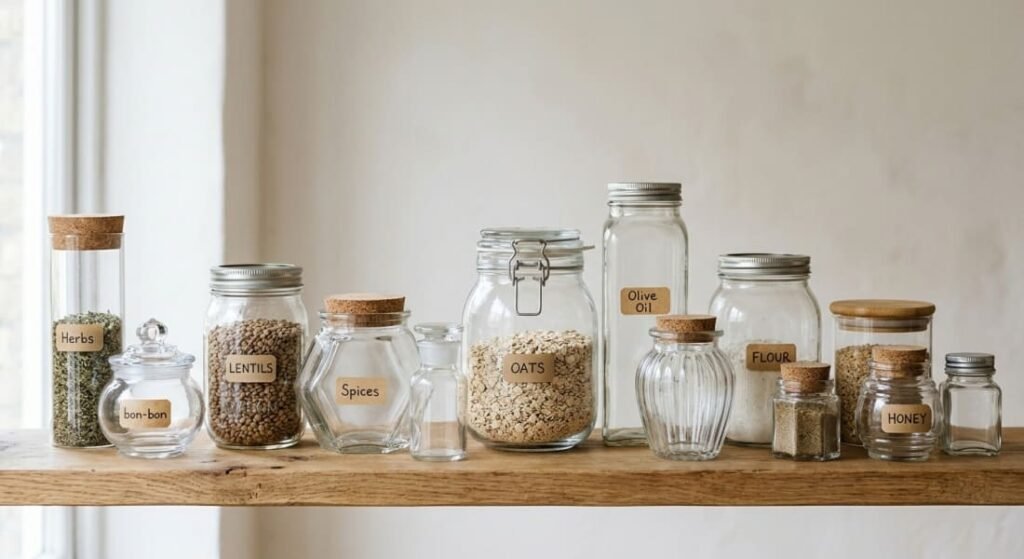
Knowing the main jar categories helps you narrow your options quickly and talk to suppliers in their own terms.
Glass Jars for Food and Beverage
The food sector uses the widest range of jars, including jam jars, honey jars, sauce jars, spice jars, pickle jars, and storage jars for dry foods like pasta, rice, and nuts. Glass food jars must be made from food-grade material and paired with closures that suit the filling method. Hot-fill and pasteurized products typically use metal lug caps with plastisol liners, which create a vacuum as the product cools. Wide-mouth designs are popular for sauces and pickles because they make filling and serving easier. If you produce your own recipes, custom food jars with an embossed logo or a unique shape can help your product stand out in a crowded grocery aisle.
Glass Jars for Cosmetics and Personal Care
Cream jars, balm jars, mask jars, scrub jars, and body butter jars all fall into this group. Cosmetic glass jars usually have thicker walls and heavier bases than food jars, partly for durability and partly because weight adds a sense of luxury in the hand. Glass cream jars often come with inner liners or discs to keep the product fresh and stop it from touching the cap. Closure fit is very important here, since many cosmetic caps are decorative and need to sit flush with the jar shoulder. Frosted glass jars are especially common in skincare because they give a soft, clean look that photographs well.
Glass Jars for Pharmaceuticals and Health Products
Supplement jars, medicine jars, and apothecary-style jars fall into this group. Cleanliness, material consistency, and compliance with local regulations are the main concerns. Amber glass is widely used here for light protection, and some products may need child-resistant closures depending on where you sell.
Glass Jars for Candles and Home Fragrance
Glass jars for candles need to handle heat. The glass should be thick enough and evenly formed so it doesn’t crack as the wax melts and the flame burns down. Aromatherapy jars and decorative vessels are also part of this category. Candle glass jars come in many styles, from simple tumblers to ribbed, colored, or tinted designs. Many fragrance brands now invest in custom candle jars because the vessel often stays in a customer’s home long after the candle is gone, sometimes reused as a planter or pen holder. That makes the jar a lasting reminder of your brand.
Glass Jars for Home, Retail, and Gift Use
Craft jars, decorative jars, storage jars, and seasonal or promotional packaging fit here. These jars tend to be versatile, and since appearance matters most, they’re a good place to experiment with colors, printing, or unusual shapes.
Key Factors to Consider Before Choosing a Glass Jar Supplier
Once you know what kind of jar you need, the focus shifts to sourcing. Even the right jar design can turn into the wrong choice if the supplier can’t produce it consistently.
Jar Size and Capacity
Capacities range from tiny 5 ml sample jars to large storage jars of a liter or more. Think about how your customer will use the product and how long a full jar should last. Pay attention to fill volume and headspace. A jar listed as 250 ml usually holds that amount when filled to the brim, so your actual fill will be lower. Always confirm the overflow capacity and test with your real product.
Shape, Neck Finish, and Structure
Round, square, straight-sided, hexagonal, and custom shapes each affect labeling, shelf presence, and packing efficiency. Square jars use pallet space better, for example, while round jars are easier to label. The neck finish, meaning the threaded or lug section where the lid attaches, is one of the most important specifications. Finish sizes such as 58 mm, 63 mm, or 70 mm must match your closure exactly. A small mismatch can cause leaks or lids that won’t tighten properly.
Glass Quality and Durability
Look at wall thickness, weight consistency, and how the glass is annealed. Good manufacturers control these carefully so every jar in a batch behaves the same way. Poorly made glass may have bubbles, stones, or uneven thickness, all of which increase the risk of breakage on the filling line or in transit.
Lid and Closure Compatibility
Common options include twist-off lids, lug caps, screw caps, and child-resistant closures where required. The liner inside the lid matters just as much as the lid itself, since it does the actual sealing. If freshness is a priority, look for airtight glass jars wholesale options that come with tested liners and proven seal performance. Many buyers find it simpler to source glass jars with lids from the same supplier, because the jar and closure are made to match and you avoid finger-pointing between two vendors if something doesn’t fit.
Decoration and Customization Options
Frosting, spray coating, screen printing, labeling, embossing, debossing, and color customization can all change how your jar looks. Printed glass jars carry your logo and product information directly on the glass, which looks cleaner than a paper label and lasts longer. Embossed glass jars have raised designs molded into the glass itself, which gives a subtle, high-quality feel. If you’re building a recognizable product line, branded glass jars and personalized glass jars made for specific campaigns or gift sets can make a real difference.
Packaging and Shipping Suitability
Ask how jars will be packed. Carton strength, dividers, pallet wrapping, and export packaging standards all affect how many jars reach you intact. For long-distance shipping, especially by sea, good packaging is essential. A cheap jar packed poorly can end up costing more than a better jar packed properly.
Where Can You Find the Perfect Glass Jar?
If you’re wondering where to buy glass jars, here is the short answer. You can source them through manufacturers, export suppliers, wholesale distributors, online B2B platforms, and trade shows. If you need stable quality, customization, and large volumes, working directly with a manufacturer is usually the best option. The right channel depends on your order size and how much control you want.
Work with a Glass Jar Manufacturer
Buying from a glass jar manufacturer gives you the most control over quality, lead times, and customization. You talk directly with the people making your product, which makes it easier to adjust specifications or solve problems. This route suits long-term buyers, growing brands, and anyone ordering in volume. Some factories focus mainly on jars, while a broader glass container manufacturer may also produce bottles, vials, and other vessels, which helps if your product range is expanding.
Source from a Glass Jar Supplier or Export Company
A glass jar supplier or trading company can be useful if you want sourcing support, a wide catalog in one place, or easier communication in your own language. Many international buyers start this way. Before committing, check whether they own production facilities or work closely with real factories. A good glass container supplier will be open about where products are made and how quality is checked.
Buy from Wholesale Distributors
If you need small quantities or standard jars quickly, distributors are a practical choice. They hold ready stock, so delivery is fast. Searching for glass jars wholesale or jars with lids wholesale will bring up plenty of options for common sizes. The trade-off is limited customization and higher unit prices than you’d get from a factory. Distributors are a good fit for startups, small craft brands, and anyone needing empty glass jars wholesale for a short run or test batch.
Search Through Online B2B Platforms
Alibaba, Made-in-China, industry directories, and company websites make it easy to compare many suppliers at once. Buyers often search terms like glass jars bulk or packaging jars wholesale to get a quick view of pricing and availability. Online listings don’t always reflect real capability, though. Verify certifications, ask for factory photos or video calls, and pay attention to how quickly and clearly the supplier answers technical questions.
Visit Trade Shows and Packaging Exhibitions
Packaging exhibitions let you handle jars in person, compare finishes side by side, and meet manufacturers face to face. If you’re planning a custom project, a trade show conversation can save weeks of emails. You’ll also get a better sense of which companies are serious and well established.
Why Many Buyers Prefer to Work Directly with a Glass Jar Manufacturer
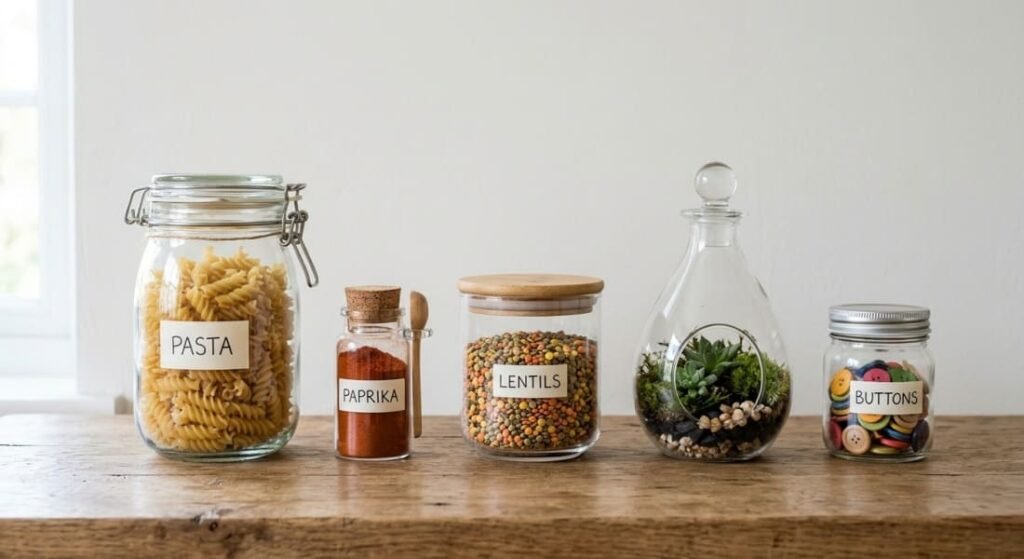
Importers, brand owners, and packaging buyers often move toward factory-direct sourcing as their business grows. Here’s why.
Better Pricing for Bulk Orders
Every middleman adds a margin. Buying wholesale glass jars directly from a glass jar factory removes those layers, and the savings add up quickly on large or repeat orders. Over a year of steady purchasing, the difference can be significant.
More Control Over Customization
Working with a custom glass jar manufacturer means you can develop your own mold, adjust sizes, choose specific colors, and add decoration that matches your branding. You get direct input on samples and can make changes before mass production begins.
More Stable Quality Control
When you deal with the factory itself, specifications are easier to confirm and consistency is easier to maintain. You know who is responsible for quality, and you can request inspection reports or set your own standards for tolerance and defect rates.
Easier Communication for Repeat Orders
A direct relationship makes reordering simpler. The factory already knows your specs, keeps your molds, and can plan production around your schedule. Over time, this kind of stable cooperation reduces lead times and surprises.
How to Evaluate a Glass Jar Manufacturer or Supplier
Choosing a partner is the part that needs the most care. These checks will help you avoid costly mistakes.
Request Samples Before Ordering
Never skip samples. Check the clarity, weight, surface finish, and how the lid fits. If possible, fill the samples with your actual product and leave them for a week or two. Test the seal, look for leaks, and see how labels apply. A sample that passes these tests gives you real confidence.
Review Factory Capability
Ask about production lines, mold-making capability, monthly output, and experience in your product category. A factory that mainly makes beverage bottles may not be the best fit for heavy-based cosmetic jars, and the reverse is also true.
Ask About Quality Inspection
Find out how the supplier inspects jars. Good suppliers run visual inspection for defects, check size tolerances, test sealing performance, monitor breakage rates, and inspect the final packaging before shipment. Ask what their acceptable defect rate is and how they handle claims if something goes wrong.
Confirm MOQ, Lead Time, and Delivery Terms
Get clear answers on minimum order quantity, production timelines, and shipping schedules. If you’re importing, agree on Incoterms such as FOB, CIF, or DDP so everyone understands who pays for what and when responsibility transfers.
Check Export Experience and Service
An experienced exporter knows how to pack glass for long journeys, prepare the right documents, and handle customs paperwork. Pay attention to how fast they reply and how they deal with problems. A supplier who goes quiet when issues come up is a warning sign.
Look at Previous Projects or Case Studies
Ask for examples of work in your industry. A glass packaging manufacturer that has supplied food brands, candle makers, or a cosmetic jar manufacturer with proven skincare projects will understand your needs faster. Real examples build trust far more than marketing claims.
Should You Choose Stock Glass Jars or Custom Glass Jars?
This is one of the most common questions buyers face, and the answer depends on where your business is right now.
When Stock Jars Are the Better Choice
Stock jars are ready to go, so production is faster and upfront cost is lower. They’re ideal for test launches, seasonal products, or brands that need standard packaging without much differentiation. You can still personalize them with labels, printing, or custom lids.
When Custom Glass Jars Make More Sense
If you want a unique shape, an embossed logo, or packaging that clearly separates you from competitors, custom is the way to go. Many cosmetic brands invest in custom cosmetic jars for exactly this reason, because the jar becomes part of the product’s identity.
How to Decide Between the Two
Consider your budget, expected order volume, launch timeline, and brand positioning. A common approach is to launch with stock jars, prove demand, and then move to a custom design once sales are steady. That way your mold investment is backed by real numbers.
Common Mistakes to Avoid When Sourcing Glass Jars
Even experienced buyers make these mistakes. Knowing about them in advance can save you money and stress.
Choosing Based on Price Alone
The cheapest quote is tempting, but low prices often come with thinner glass, inconsistent sizing, or poor packing. Breakage, failed seals, and customer complaints can quickly wipe out any savings.
Ignoring Lid Compatibility
Jars and closures must work together. Buying them from different sources without checking the neck finish and thread specifications is one of the most common causes of leaks.
Overlooking Shipping and Packaging Details
Even a well-made jar can arrive damaged if it isn’t packed properly. Always ask about carton strength, dividers, and pallet methods before you place an order.
Not Confirming Product Use Requirements
Food, cosmetics, candles, and pharmaceuticals each have their own technical needs. Make sure your supplier knows exactly what the jar will hold, whether it will be hot-filled, and which markets you’re selling into.
Skipping Sample Testing
Approving samples before mass production is your best protection. It costs a little time but greatly reduces the risk of receiving thousands of jars you can’t use.
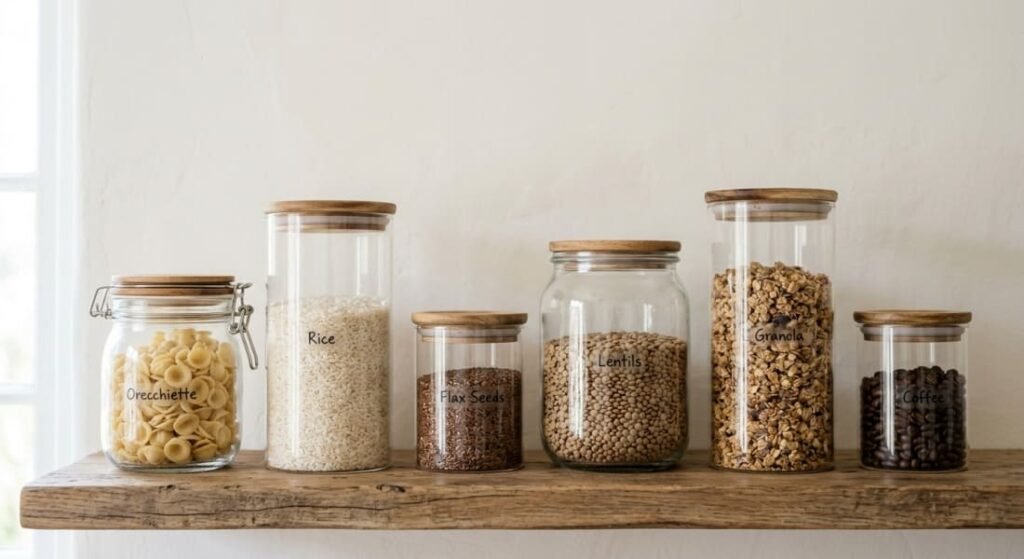
glass jars with food
Why Custom Glass Jars Help Your Brand Stand Out
Custom packaging isn’t only for big luxury names. Many small and mid-sized brands use it to build a clear identity and compete with larger players.
Create a More Recognizable Brand Image
A distinctive shape or embossed logo helps customers remember your product and find it again. Over time, people may recognize your jar before they read the label.
Improve Shelf Impact
On a crowded shelf, a well-designed jar draws the eye. Custom finishes, colors, and shapes can make your product look more premium and attractive next to standard packaging.
Support Better Product Positioning
Packaging tells customers what kind of brand you are. Heavy frosted glass suggests luxury. Simple clear jars with kraft labels suggest something natural and handmade. Interest in sustainable glass packaging is also growing, and glass fits that story well because it can be recycled again and again without losing quality. Many shoppers actively look for eco friendly glass jars, which makes glass a strong choice if sustainability is part of your message.
Build Long-Term Packaging Consistency
A signature jar becomes part of your brand. Once customers associate a certain shape or finish with you, it gives you consistency across product lines and years of marketing.
Why Smilebottles Can Be a Reliable Partner for Your Glass Jar Project
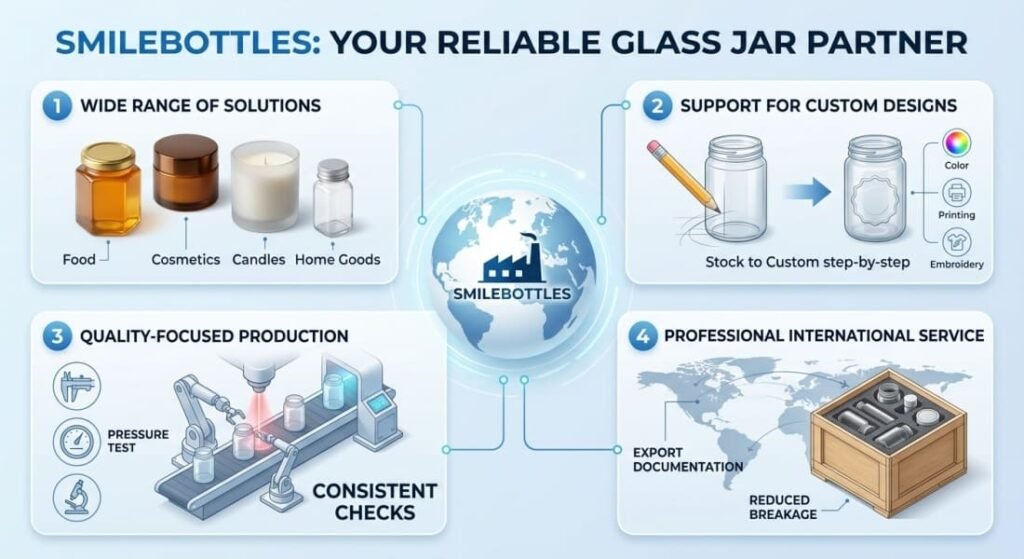
After reviewing your options, you may decide that working with an experienced manufacturer is the right path. Smilebottles is one option worth considering. As a glass packaging supplier working with food, cosmetic, candle, and home goods brands, the company focuses on helping buyers solve practical sourcing problems rather than simply selling stock items.
Wide Range of Glass Jar Solutions
Smilebottles supplies glass jars for packaging across many categories, from small cosmetic jars to food storage jars and candle vessels, in clear, amber, frosted, and colored glass. This range lets you source several product lines from one partner.
Support for Custom Designs
If you need a unique shape, embossing, printing, or a specific color, the team can help with mold development and decoration. Smaller brands can also start with stock designs and add customization step by step.
Quality-Focused Production and Inspection
Production runs under consistent quality checks covering dimensions, appearance, and sealing performance. Samples are provided before bulk orders so you can test with your own product first.
Professional Service for International Buyers
With experience in export packaging and documentation, Smilebottles works with buyers in many countries and can advise on packing methods that reduce breakage during long-distance shipping.
FAQ: Frequently Asked Questions About Finding the Perfect Glass Jar
Q1:How do I choose the right glass jar for my product?
A1:Start with your product’s needs: consistency, sensitivity to light or air, and how customers will use it. Then match the jar size, mouth width, closure type, and glass color to those needs. Finally, consider your brand image and budget, and always test samples with your real product before ordering.
Q2:Is it better to buy from a manufacturer or a distributor?
A2:For small orders or fast delivery of standard jars, a distributor works well. For larger volumes, custom designs, or long-term supply, buying from a manufacturer usually gives you better pricing, more control over quality, and more customization options.
Q3:Can I customize the shape and logo of my glass jar?
A3:Yes. Most manufacturers can create a custom mold for a unique shape and add your logo through embossing, screen printing, decals, or frosting. Custom molds involve a tooling cost and higher MOQs, so they suit established products with steady demand.
Q4:What should I check before placing a bulk order?
A4:Confirm samples, neck finish and lid fit, capacity, glass quality, decoration details, packing method, MOQ, lead time, and payment and shipping terms. Get everything in writing, including your approved sample specifications.
Q5:How can I know if a supplier is reliable?
A5:Look for clear communication, willingness to send samples, transparency about production facilities, documented quality inspection, export experience, and real references or case studies. A reliable supplier answers technical questions directly and handles problems openly.
Q6:What is the usual MOQ for glass jars?
A6:It varies widely. Stock jars from distributors may be available in quantities of a few hundred to a few thousand. Factory production for stock items often starts at several thousand pieces. Custom molds usually require larger quantities, often tens of thousands of pieces, depending on the jar size and design.
Q7:Are glass jars suitable for food, cosmetics, and candles?
A7:Yes. Glass is one of the most versatile packaging materials available. It’s food-safe, doesn’t react with most cosmetic formulas, and handles heat well enough for candles when properly made. Just make sure the specific jar is designed for your intended use.
Conclusion
Finding the perfect glass jar comes down to balancing product fit, quality, branding, and supplier reliability. The best source for you depends on your order size, how much customization you need, and your long-term purchasing plans. Distributors and online platforms are useful for small or quick orders, while trade shows help you compare options in person.
If you want stable supply, consistent quality control, and real support for custom designs, working with an experienced manufacturer is usually the smarter long-term choice. Take your time with samples, ask the right questions, and choose a partner who understands both your product and your market.