



Table of Contents
ToggleAuthor: Smilebottles Team
Category: Product Guide / Packaging Knowledge
Reading Time: ~12 Minutes
The leap from making a few jars for friends to becoming a legitimate sauce manufacturer is significant. It requires navigating complex food safety regulations, establishing a supply chain, and, crucially, selecting the right glass sauce packaging that defines your brand on the shelf.
At Smilebottles, we understand that your packaging is the silent salesperson for your product. As a premier manufacturer of glass sauce bottles, we have helped countless brands scale up. Whether you are a seasoning producer looking to expand your line or a startup founder asking how to start a sauce business, this guide provides the roadmap you need. We will break down the complex process into four manageable phases, covering everything from recipe scaling to selecting the perfect glass hot sauce bottles.
Phase 1: Strategic Planning & Product Development For The Glass Bottle Sauce
Before you invest in expensive sauce-bottling equipment or sign a lease, you must lay a strategic foundation. The sauce market is crowded, and success requires more than just heat—it requires a viable business model.
Analyzing the Market
You might have seen articles discussing the crippling hot sauce net worth of famous brands or viral sensations and thought, “I can do that.” While the potential for profit is real, you need to understand your niche. Are you aiming to be a superior sauce company known for gourmet ingredients, or a fun, edgy brand targeting the hot sauce shop crowd?
Target Audience: Are you selling to college students, grilling enthusiasts, or high-end restaurants?
Competitor Research: Examine Sauce Leopard and other emerging leaders. What are they doing right? Take note of their hot sauce branding, pricing, and distribution channels.
From Kitchen Recipe to Commercial Formula
There is a massive difference between cooking and manufacturing sauce. A recipe that works in a 5-gallon pot often changes flavor profile when scaled to a 500-gallon industrial kettle.
Standardization: You must convert your “pinch of salt” measurements into precise weights (grams/kilograms). This is the only way to ensure consistency.
Sourcing Ingredients: You cannot rely on the local grocery store. You may need to partner with a flavoring manufacturer for sauces to create custom extracts or blends that remain stable over time.
Development Tools: Many founders start with a hot sauce-making kit to test variations, but eventually, you need to conduct shelf-life testing. You need to know how to create a sauce that doesn’t separate or spoil after six months on a shelf.
Defining Your Identity
Your brand identity will dictate your packaging choices later. Hot sauce branding is about storytelling. Are you traditional and rustic? Or modern and minimalist?
Hot Sauce Label Design: Your label is the first thing a customer reads. It needs to pop. It must work harmoniously with your bottle choice. A great design on a cheap plastic bottle looks confusing; a great design on a heavy glass bottle looks premium.
Product Line Strategy: Will you sell single bottles or a hot sauce box set? Box sets are incredible for Q4 holiday sales and corporate gifting, but they require specific packaging dimensions.
Phase 2: Legal Compliance & Business Setup For The Glass Bottle Sauce
This phase is where many sauce crafters get stuck. To sell homemade hot sauce legally in a retail environment, you must leave the “homemade” status behind and become a compliant business entity.
Official Registration and Protection
Entity Formation: Forming an LLC or Corporation is essential to protect your personal assets from the liabilities of your company sauce
Trademarking : Once you have a name, protect it. If you have a unique bottle shape or a distinct hot sauce label design, consider intellectual property protection. You don’t want to build a brand only to receive a cease-and-desist letter later.
Licenses and Permits
Food manufacturing is highly regulated.
FDA Registration: If you are in the US or exporting to the US, you must register your facility.
Health Department: Local permits are required for any facility where you are manufacturing sauce.
Process Authority Letter: Most sauces are acidified foods. You will likely need a Process Authority to review your recipe and your hot sauce bottling process (time and temperature) to certify that it is safe from botulism.
Financial and Risk Management
Business Banking: Open a dedicated account. When you buy bulk hot sauce bottles from Smilebottles, paying with a business account keeps your accounting clean for tax season.
Insurance: This is non-negotiable. You need product liability insurance. If a bottle breaks or a customer claims illness, you must be covered. Retailers and distributors will not carry your glass sauce bottles without proof of insurance.
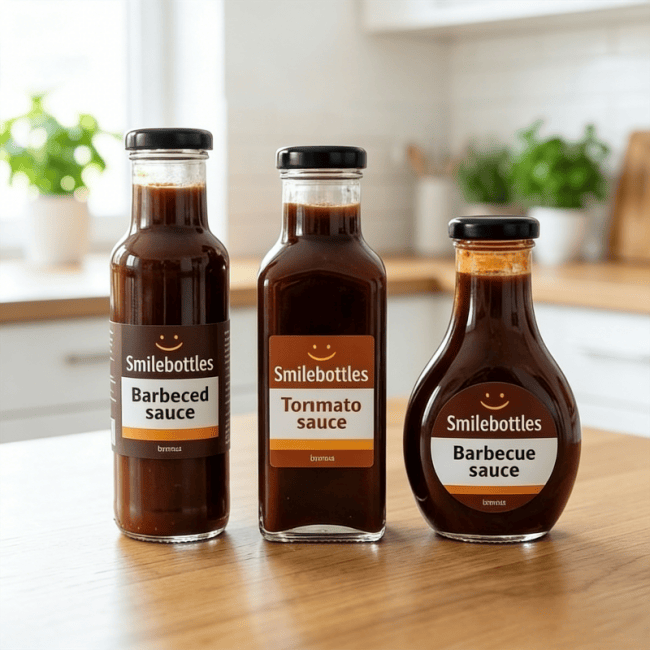
Phase 3: Operational Infrastructure & Funding For The Glass Bottle Sauce
Now that you are legal, you need the physical means to produce. This phase bridges the gap between a plan and a product.
Securing the Capital
Sauce manufacturing is capital-intensive. You have upfront costs for ingredients, hot sauce-making supplies, and packaging inventory.
Budgeting: Factor in the “hidden” costs. Beyond the peppers, you need to pay for shipping empty bottles for sauces, pallets, shrink bands, and marketing.
Funding Sources: Whether bootstrapping or seeking investors, having a clear cost-of-goods-sold (COGS) model is vital. This model must include the unit cost of your glass sauce bottles.
establishing Production Channels
You generally have three options for production:
Home Kitchen (Cottage Food): Very limited. Usually, you cannot cross state lines or sell to retailers. Not recommended for B2B growth.
Commercial Kitchen: You rent a licensed kitchen by the hour. You buy your own sauce bottling equipment (like fillers and cappers) and do the labor yourself. You have total control over the sauce packing
Co-Packer: You hire sauce manufacturing companies to make your product for you. They are essentially a hot sauce factory for hire. You provide the recipe and the packaging (this is where you ship our glass hot sauce bottles directly to them), and they handle the production. This is the fastest way to scale.
Phase 4: Packaging, Production & Launch
This is the most critical phase for your brand’s physical presentation. The container you choose determines your shelf life, your shipping costs, and your customer’s perception.
Bottle Your Sauces: The Packaging Strategy
As sauce makers, you might spend months perfecting the flavor, but the consumer buys with their eyes first. Choosing the right bottle hot sauce container is a strategic business decision.
(1)Material Matters: Glass vs. Plastic
For professional sauce companies, glass is the industry standard. Plastic hot sauce containers can warp during the hot-fill process (where sauce is bottled at high temperatures to ensure sterility). Plastic can also leach chemicals or allow oxygen ingress over time, ruining the flavor. Glass hot sauce bottles are impermeable, heat-resistant, and 100% recyclable.
(2)Selecting the Right Shape
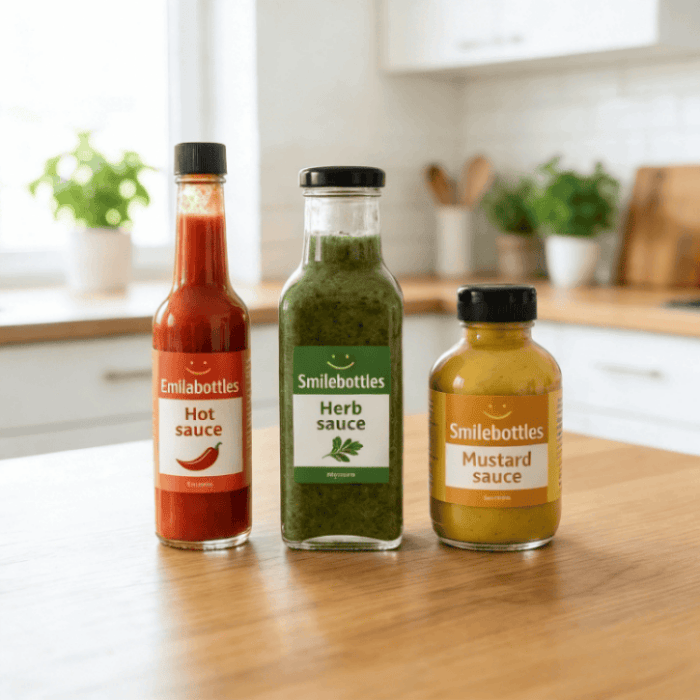
Glass Woozy Bottles:The 5 oz woozy hot sauce bottles are the iconic industry standard. They have a narrow neck (usually 24-414 finish), perfect for flow restriction.
3 oz Hot Sauce Bottles: These small glass hot sauce bottles are ideal for sampler packs, travel sizes, or ultra-spicy extracts where volume is lower.
Wide Mouth Jars: If you are making a chunky salsa or relish, a standard neck won’t work. You need hot sauce jars or wide-mouth bottles to ensure the product pours easily.
Unique Hot Sauce Bottles: To stand out, consider flask shapes, square bottles, or custom molds. Smilebottles specializes in creating these unique profiles to help your brand pop on the shelf.
(3)The Closure System
When purchasing bulk glass hot sauce bottles, ensure the cap matches the bottle finish.
Dripper Inserts: For thin liquids (like Louisiana-style hot sauce), you need an orifice reducer.
Tamper Evidence: You must use a shrink band or a safety-button cap. This assures the customer that the hot sauce packaging hasn’t been compromised. The Bottling Process
Whether you are hand-filling or using automated bottling sauce lines, your glass must be durable. Hot sauce bottling usually happens at temperatures above 180°F. Smilebottles’ glass is engineered to withstand this thermal shock without cracking, reducing waste on your production line.
(4)Start Selling and Scaling
Once your sauce packing is complete, it’s time to move the product.
Retail Strategy: Pitch your product to specialty grocers and the local hot sauce shop. Bring a “sell sheet” that highlights your unique flavor and premium packaging.
Foodservice: Don’t ignore restaurants. Selling bulk hot sauce (in larger 12oz or 32oz bottles) to wing joints or taco shops builds consistent recurring revenue.
Merchandising: Build a community. Sell branded hot sauce belt holder accessories or t-shirts. Create a hot sauce box set for the holidays.
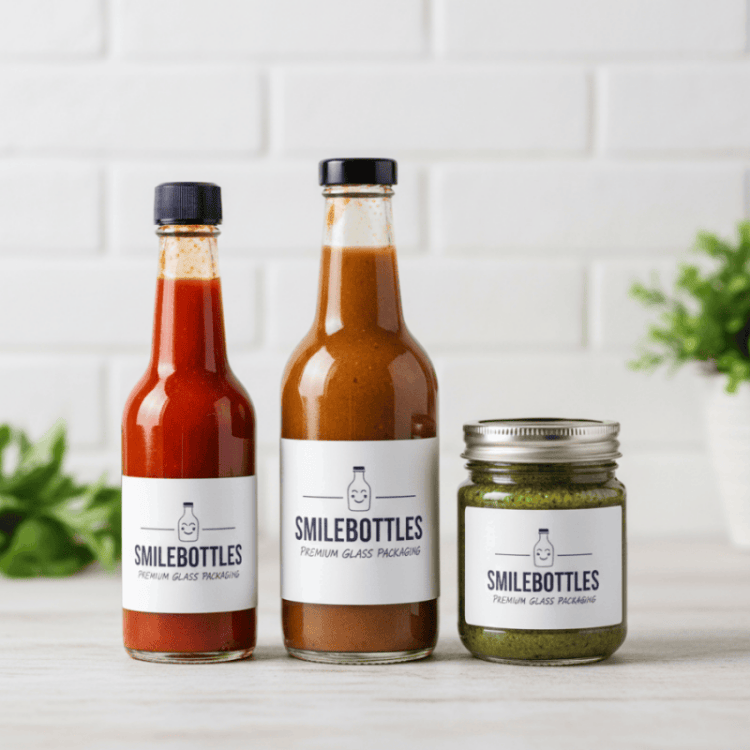
Smilebottles: Your Glass Packaging Partner for Sauce Brands
At Smilebottles, we know that successful sauce branding starts with our high-quality glass packaging. We are not just a vendor; we are a partner to condiment manufacturers worldwide.
We offer a comprehensive range of solutions:
Variety: From the classic pepper sauce bottle to the stout bottle for chili sauce, we have stock molds ready to ship.
Scalability: Whether you need a few pallets of empty bottles for sauces or full container loads of glass woozy bottles, we can meet your demand.
Customization: We offer decoration services including screen printing, frosting, and embossing, allowing you to bypass paper labels for a truly premium look.
Quality Assurance: Our bottles are certified food-grade and rigorously tested for pressure and thermal shock, making them safe for any hot sauce factory
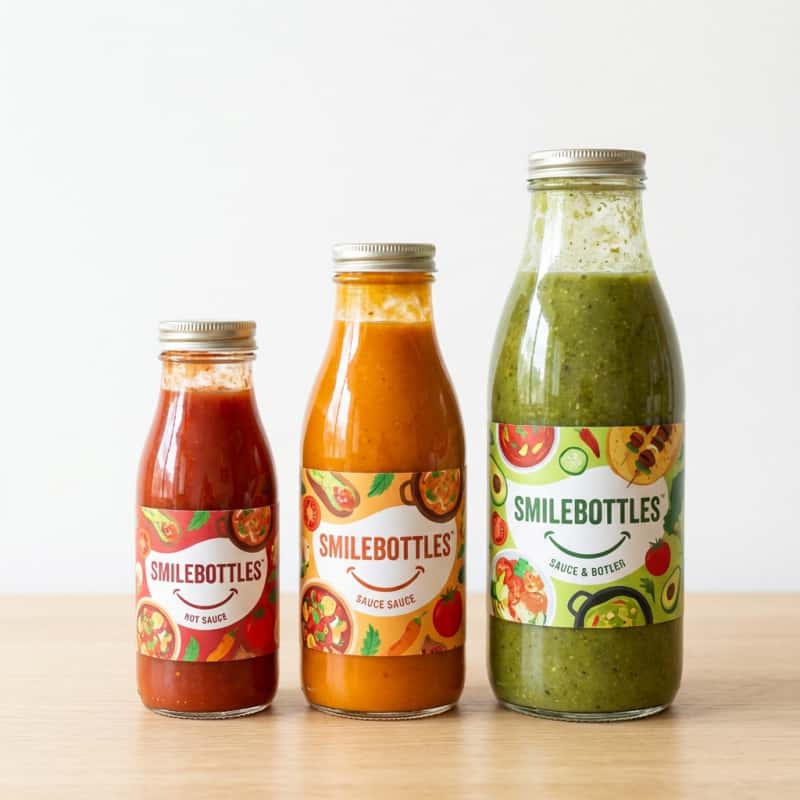
FAQ: Common B2B Questions for Sauce Startups
Q1: What is the minimum order quantity (MOQ) for bulk hot sauce bottles?
A1: MOQs can vary based on whether the glass sauce bottle is a stock item or a custom design. For standard items like glass woozy bottles, we can often supply smaller quantities to help startups. For custom, unique hot sauce bottles, MOQs will be higher to justify the mold cost. Contact Smilebottles for specific numbers.
Q2: Can I use plastic bottles for hot-fill sauce manufacturing?
A2: It is risky. Standard PET plastic can deform at temperatures required for safe hot sauce bottling (185°F+). While “hot-fill compatible” plastics exist, they are expensive and often lack the clarity of glass. Glass sauce bottles are universally safer and more premium for this process.
Q3: How do I choose between a 3 oz and a 5 oz bottle?
A3: 5 oz is the standard retail size for table sauce. 3 oz hot sauce bottles are typically used for gift sets, flight packs, or “super-hot” sauces containing ghost peppers or reapers, where the consumer uses very little at a time.
Q4: Do you sell the caps and drippers with the bottles?
A4: Yes. When you purchase bulk hot sauce bottles from Smilebottles, we can supply the matching closures, including phenolic caps and orifice reducers (drippers), ensuring a perfect fit to prevent leaks during hot sauce packing.
Q5: Can Smilebottles help with my hot sauce label design?
A5: While we are primarily a glass manufacturer, we offer decoration services like silk-screening directly onto the glass. This eliminates the need for a paper label entirely and is a popular choice for high-end sauce companies.
Q6: Is it cheaper to buy bottles locally or import them?
A6: Buying glass sauce bottles from a retailer is expensive. Buying directly from a manufacturer like Smilebottles offers the best unit price, which is critical for maintaining healthy margins in sauce manufacturing.
Conclusion
Whether you are looking for standard woozy hot sauce bottles or developing a custom mold for a superior sauce company, Smilebottles is here to support your growth. We provide the bulk hot sauce glass bottles infrastructure you need so you can focus on the flavor.
Contact Smilebottles now to request samples, view our catalog of glass hot sauce bottles, and discuss how we can support your sauce manufacturing goals. Let’s make your brand the next big thing on the shelf.


