



Table of Contents
ToggleAuthor: SmileBottles Editorial Team
Estimated Reading Time: About 16 Minutes
When you are sourcing packaging for your products, choosing the right material matters more than you might think. Glass has been a trusted packaging solution for centuries, and today it remains one of the most reliable options for businesses across industries. But have you ever wondered what is a glass bottle made of? Or how the manufacturing process actually works?
Whether you are in the pharmaceutical industry, running a beverage company, or launching a new cosmetic line, understanding glass bottles helps you make smarter purchasing decisions. In this guide, we will walk you through everything you need to know—from raw materials and production methods to the different types of glass bottles available on the market. At Smilebottles, we have been in the glass bottle manufacturing business for years. We have seen firsthand how the right bottle can elevate a product and how the wrong choice can cost businesses time and money. So let us share what we know.
Key Glass Manufacturing Terminology You Should Know
Before we dive into the details, let us cover some basic terms. If you are new to glass bottle production, these words will come up often.
Batch
A batch is simply the mixture of raw materials that goes into making glass. Think of it as a recipe. The quality of your batch directly affects the quality of your final product.
Furnace
The furnace is where the magic happens. This is the high-temperature equipment that melts the raw materials together. The glass furnace temperature typically reaches between 1500°C and 1600°C. That is hot enough to turn solid materials into molten glass.
Cullet
Recycled glass cullet refers to crushed glass pieces from previous production runs or collected from recycling programs. Adding cullet to the batch lowers the melting temperature and reduces energy consumption. It is good for the environment and good for your bottom line.
Annealing
After a bottle is formed, it needs to cool down slowly. Annealing is a controlled cooling process that prevents internal stress in the glass. Without proper annealing, bottles can crack or break easily.
Forming
Forming is the process of shaping molten glass into the final bottle shape. There are different techniques for this, which we will explain later.

What Are Glass Bottles Made Of? Understanding the Raw Materials
So, what are glass bottles made of exactly? The answer is surprisingly simple. Glass is made from natural materials that have been used for thousands of years. Let us break down the main glass raw materials.
Silica Sand (SiO₂)
Silica sand glass is the primary ingredient in glass production. It makes up about 70% of the total mixture. Silica provides the basic structure of glass and gives it that characteristic transparency. Without high-quality silica sand, you cannot produce high-quality glass.
Soda Ash (Sodium Carbonate)
Pure silica has a very high melting point, which makes it expensive and difficult to work with. Soda ash is added to lower the melting temperature. This makes the glass manufacturing process more efficient and cost-effective.
Limestone (Calcium Carbonate)
Limestone improves the durability and chemical stability of glass. It helps the finished bottle resist weathering and chemical reactions. If you are packaging something sensitive, like medicine or food, this stability is critical.
Recycled Glass Cullet
As mentioned earlier, recycled glass cullet is an important ingredient. Using cullet can make up 25% to 80% of the batch, depending on the manufacturer. At Smilebottles, we prioritize sustainability, so we use as much cullet as possible without sacrificing quality.
Coloring Agents
If you have ever noticed that beer bottle packaging comes in different colors, coloring agents are the reason. Here is a quick breakdown:
|
Color |
Agent Used |
Common Applications |
|
Green |
Iron oxide |
Wine bottles, some beer bottles |
|
Amber |
Sulfur and carbon compounds |
Beer packaging, pharmaceuticals |
|
Blue |
Cobalt oxide |
Cosmetics, specialty beverages |
|
Clear |
Decolorizing agents |
Water bottles, food jars |
Different colors serve different purposes. Amber glass, for example, blocks UV light and protects light-sensitive products.

How Are Glass Bottles Made? The Step-by-Step Manufacturing Process
Now that you know the ingredients, let us talk about how glass bottles are made. The glass bottle manufacturing process involves several stages, each requiring precision and expertise. Here attach the details for your reference:How glass bottles are made?
Step 1: Raw Material Preparation
Everything starts with gathering and mixing the raw materials. Silica sand, soda ash, limestone, and cullet are measured carefully and combined into a batch. The proportions matter because they affect the final properties of the glass.
Step 2: Glass Melting
The batch is fed into a furnace where it melts at extremely high temperatures. As mentioned earlier, the glass furnace temperature sits around 1500°C to 1600°C. The materials fuse together and become molten glass, which looks like thick, glowing honey.
Step 3: Forming the Bottle Shape
This is where how glass bottle is made gets interesting. Molten glass is cut into pieces called gobs, and these gobs are dropped into molds. There are two main forming techniques:
The Blow and Blow Glass Process: This method works well for narrow-neck containers like wine bottles or glass water bottles. Air is blown into the gob to create a hollow shape, then blown again in a second mold to finalize the form.
The Press and Blow Process: This technique is better for wide-mouth containers like jar glasses or food jars. A plunger presses the gob into shape before air finishes the forming process. This is essentially how are glass jars made.
Both methods can produce a variety of glass bottle shapes, from tall and slim to short and wide.
Step 4: Annealing
After forming, bottles enter the annealing lehr, a special oven that cools them gradually. This step is crucial for preventing thermal stress. A bottle that skips proper annealing might look fine but could shatter unexpectedly.
Step 5: Surface Treatment
Surface treatments add scratch resistance and improve durability. Some bottles receive coatings that make them easier to label or decorate. Others get treatments that reduce friction during filling and packaging.
Step 6: Inspection and Packaging
Quality control is the final step. Modern facilities use automated inspection systems that check every bottle for defects. Bottles that pass inspection are packed and shipped. Those that do not meet standards are crushed and recycled as cullet.
What Are the Properties of a Glass Bottle? Key Characteristics Explained
Understanding what are the properties of a glass bottle helps you choose the right packaging for your products. Here are the main properties of glass bottles that make them stand out.
Chemical Resistance
Glass does not react with most chemicals. This makes it ideal for storing acids, bases, and other reactive substances. If you are in the pharmaceutical or chemical industry, this property is non-negotiable.
Non-Toxic and Food Safe
Unlike some plastics, glass does not leach chemicals into its contents. This is why pharmaceutical glass bottles and food containers are so popular. Your customers can trust that the product inside is safe and uncontaminated.
Excellent Barrier Properties
One of the most important glass bottles properties is impermeability. Glass provides an excellent barrier against oxygen, moisture, and other gases. This extends shelf life and preserves product quality, which is especially important for glass bottles for beverages.
Recyclability and Sustainability
Are glass bottles recyclable? Absolutely. Glass can be recycled endlessly without losing quality. This makes it one of the most sustainable packaging options available. When customers ask what to do with glass bottles after use, the answer is simple: recycle them.
Transparency and Premium Appearance
Glass looks and feels premium. The transparency allows customers to see exactly what they are buying, which builds trust. For cosmetic glass bottles or high-end beverages, appearance matters almost as much as function.
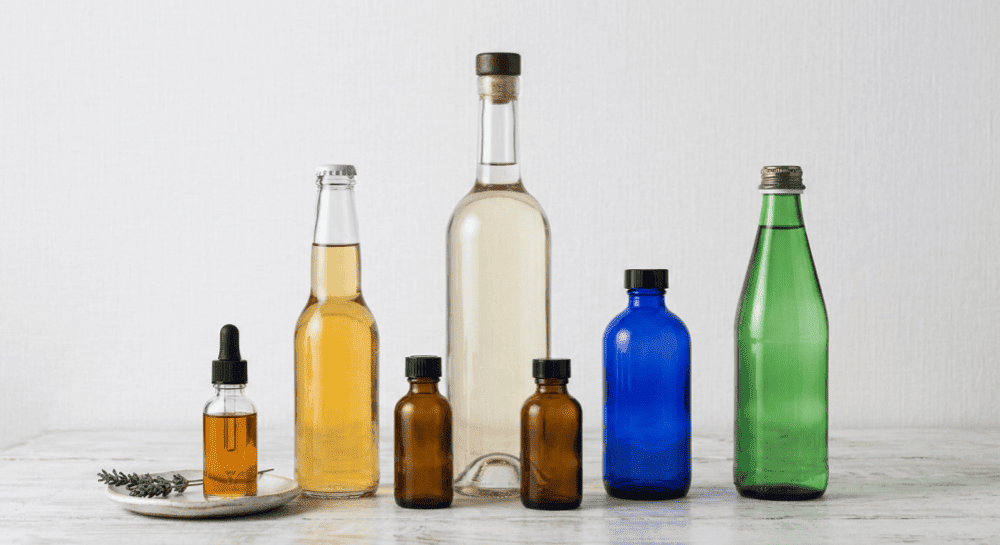
Different Types of Glass Bottles: Which One Is Right for You?
Not all glass bottles are the same. Different types of glass bottles serve different purposes. Let us explore your options.
Amber Glass Bottles
Amber glass bottles are the go-to choice for products that need UV protection. Essential oils, certain pharmaceuticals, and craft beers often come in amber glass. The dark color filters out harmful light waves that could degrade the product.
Clear Glass Bottles
Clear glass bottles, also called flint glass, offer maximum visibility. They are perfect for products where appearance drives sales, like premium water, juices, or sauces. If your product looks good, clear glass lets it shine.
Green Glass Bottles
Green glass bottles are traditionally associated with wine and certain beers. They offer moderate UV protection and have a classic look that appeals to many consumers. The color often comes from iron oxide in the raw materials.
Blue Glass Bottles
Blue glass bottles stand out on the shelf. They are popular in the cosmetic industry and for specialty products. The distinctive color comes from cobalt oxide added during production.
Frosted Glass Bottles
Frosted glass has a matte, translucent finish that looks elegant and sophisticated. It is commonly used for cosmetic glass bottles, perfumes, and premium skincare products.
Pharmaceutical Glass Bottles
Pharmaceutical glass bottles must meet strict standards for chemical resistance and purity. They are designed specifically for medicine storage and often feature tamper-evident closures.
Glass Bottle Applications Across Industries
Glass bottles serve almost every industry. Understanding these applications helps you see why glass for bottle packaging remains so popular.
Pharmaceutical Industry
Pill bottles, syrup containers, and medicine vials all rely on glass. The glass bottle function here is to protect sensitive medications from contamination and degradation.
Food and Beverage Industry
From wine to hot sauce, glass is everywhere in food and beverage. A well-designed beer bottle or juice container can become part of a brand’s identity. Beer packaging in glass has been standard for over a century.
Cosmetic and Personal Care
Perfume bottles, skincare serums, and essential oil containers often use glass. The premium feel of glass matches the premium prices in this industry.
Chemical and Laboratory Use
Labs rely on glass for its chemical resistance. Test tubes, beakers, and chemical storage containers are all made from specialized glass formulations.
Are Glass Bottles Better Than Plastic? A Comparison
This is a question we hear constantly: are glass bottles better than plastic? The answer depends on your priorities, but glass has clear advantages.
Sustainability: Glass is 100% recyclable and can be reused infinitely. Plastic degrades each time it is recycled.
Product Safety: Glass does not leach chemicals. Some plastics can release harmful substances, especially when heated.
Shelf Life: Glass provides better barrier properties, which means longer shelf life for your products.
Perception: Consumers associate glass with quality. A glass bottle signals that you care about your product and your customers.
The main downside of glass is weight. Shipping costs are higher because glass is heavier than plastic. But for many businesses, the benefits outweigh this drawback.
Why Choose Smilebottles as Your Glass Bottle Manufacturer
If you are looking for a reliable glass bottle manufacturer, Smilebottles should be at the top of your list. Here is what sets us apart.
Professional Manufacturing Experience
We have been in this industry for years. Our team understands the glass manufacturing process inside and out. We know what works and what does not.
Wide Range of Bottle Designs
Whether you need amber glass bottles for pharmaceuticals or clear glass bottles for beverages, we have options. Our catalog includes every major glass bottle shapes and style.
Customization Services
Your brand is unique, and your bottles should be too. We offer customization for:
Bottle shapes and sizes
Colors and finishes
Logo printing and embossing
Surface treatments
Strict Quality Control
Every bottle we produce goes through rigorous inspection. We catch defects before they reach you, which saves you time, money, and headaches.
Sustainable Production
We use recycled glass cullet in our production and continuously work to reduce our environmental impact. When you partner with us, you are choosing a greener supply chain.

Where Does Glass Bottles Come From? A Brief History
You might be curious about where does glass bottles come from historically. Glass has been around for thousands of years. The ancient Egyptians and Mesopotamians were among the first to make glass containers. Over time, manufacturing techniques improved, leading to the efficient processes we use today.
Understanding glass bottle where does it come from gives you appreciation for this material. It is not just packaging; it is a craft with deep roots.

FAQ Frequently Asked Questions About Glass Bottles
Q1:Is glass environmentally friendly?
A1:Yes. Glass is made from natural materials and is 100% recyclable. It does not release harmful chemicals into the environment.
Q2:Can glass bottles be recycled indefinitely?
A2:Yes. Unlike plastic, glass does not degrade during recycling. It can be melted and reformed countless times.
Q3:Why are some glass bottles amber?
A3:Amber glass blocks UV light. This protects light-sensitive products like medicines, essential oils, and certain beverages.
Q4:Are glass bottles better than plastic?
A4:For most applications, yes. Glass is safer, more sustainable, and perceived as higher quality by consumers.
Q5:How strong are glass bottles?
A5:Modern glass bottles are surprisingly durable. Proper annealing and surface treatments make them resistant to everyday impacts.
Q6:What industries use glass bottles the most?
A6:The pharmaceutical, food and beverage, and cosmetic industries are the biggest users of glass bottles.
Conclusion
Glass bottles have stood the test of time for good reason. They are made from natural glass raw materials like silica sand, soda ash, and limestone. The glass bottle manufacturing process involves melting these materials at high temperatures and forming them into the shapes we use every day. The properties of glass bottles—chemical resistance, impermeability, recyclability, and premium appearance—make them ideal for countless applications. Whether you need pharmaceutical glass bottles, cosmetic glass bottles, or glass bottles for beverages, there is a perfect option for your business. At Smilebottles, we are committed to helping you find that perfect option. With our experience, customization capabilities, and focus on quality, we are ready to be your trusted partner in glass bottle production.


