



Table of Contents
ToggleAuthor: SmileBottles Editorial Team
Estimated Reading Time: About 15 Minutes
When you are in the business of food production, whether you are launching a new artisan pickle brand or stocking a retail store with kitchen essentials, the container you choose is just as important as the recipe itself. Pickling is an art of preservation, a balance of acidity, crunch, and flavor. But without the right vessel, that balance can be lost. You aren’t just looking for a jar; you are looking for reliability, safety, and shelf appeal. You are likely asking: which jars are best for pickling? Is there a difference between a fermentation vessel and a standard canning jar? How do you choose between the vast array of pickle jar sizes available on the wholesale market?
At Smilebottles, we understand that packaging defines your product. In this guide, we will walk you through everything you need to know to select the best pickling jars for your business needs, ensuring your products stay fresh, safe, and visually stunning on the shelf.
Why Glass is the Only Choice for Pickling
Before we dive into specific shapes and sizes, let’s establish why glass is non-negotiable. When you are dealing with high-acidity environments—which is exactly what vinegar brines and fermented foods create—you need a material that is chemically inert.
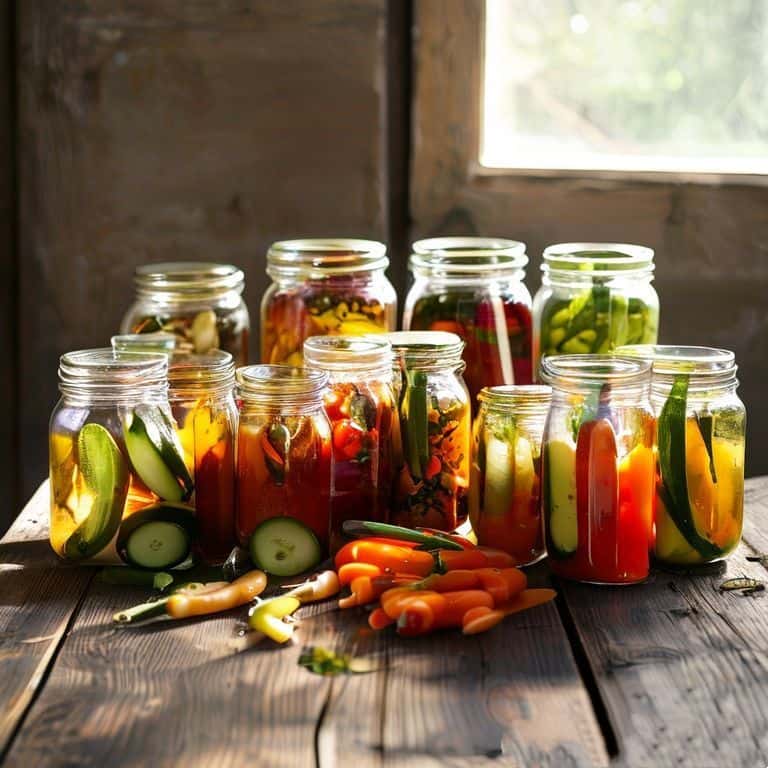
Glass jars for pickling are superior to plastic or metal because they do not react with the acid. They ensure that no metallic taste leaches into your dill pickles and no chemicals migrate into your kimchi. Furthermore, glass jars for pickles offer clarity. Your customers eat with their eyes first. Seeing the vibrant green of a cucumber, the red of a chili pepper, or the texture of sauerkraut through a crystal-clear glass pickling jar is your best marketing tool.
The Anatomy of the Perfect Pickling Jar
Not all jars are created equal. When sourcing wholesale pickling jars, you need to look at three main components: the mouth width, the sealing mechanism, and the glass quality.
1. The Importance of a Wide Mouth
If you have ever tried to stuff a whole cucumber into a narrow-neck bottle, you know the struggle. For most pickled products, a wide mouth glass jar is essential. It allows for easy packing of whole vegetables, chunkier relishes, or large batches of kimchi without bruising the produce. It also makes the jar easier for your end customer to clean and reuse, adding value to your product.
2. The Sealing Mechanism
The lid is where the magic (preservation) happens. You need a pickling jar with lid systems that can withstand the pickling process.
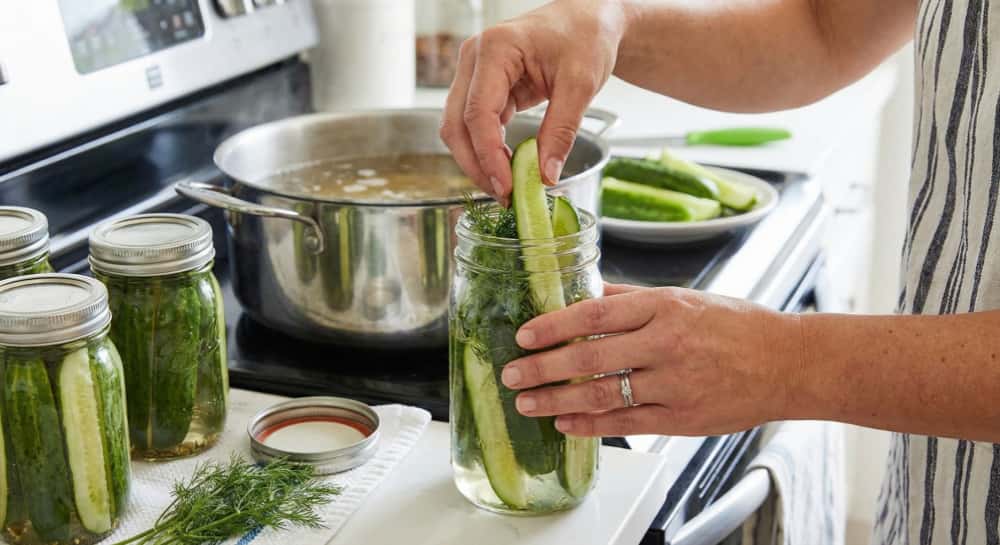
Two-Piece Lids: Common on mason jars for pickling, these allow air to escape during the boiling water bath process while creating a vacuum seal as they cool.
One-Piece Lug Caps: Ideally suited for commercial bottling and pickling containers sold in retail environments.
Clamp Lids: Often found on Fido-style jars, these use a rubber gasket and wire bail. They are excellent airtight glass storage jars but are often used more for fermentation or dry storage than heat canning.
Categorizing the Best Jars for Pickling
To choose the best jars for pickling, you must define your process. Are you heat-canning for long-term shelf stability, or are you fermenting?
The Classic Mason Jar
There is a reason mason jars for pickles are the industry standard. They are durable, withstand high heat, and consumers trust them. Whether you choose a smooth-sided jar for easy labeling or a traditional embossed design, mason jars for pickling offer excellent versatility. If you are selling finished goods, these are often your safest bet.
Fermentation Specific Jars
Fermentation is different from vinegar pickling. It involves gas creation (CO2) as bacteria break down sugars. If you seal a jar too tightly without venting, it can explode.
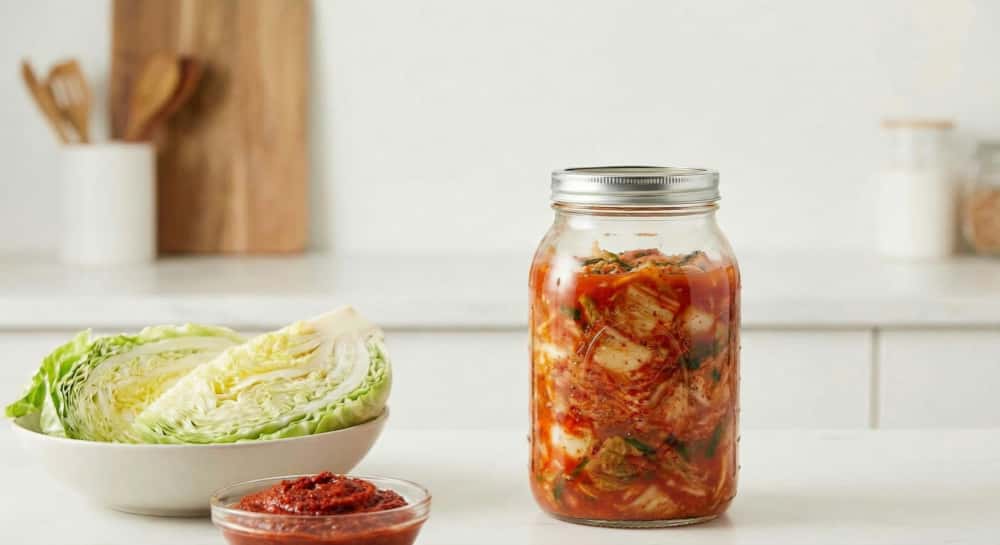
For this, you need fermentation jars or a kimchi fermentation jar. The best setup is often a glass fermentation jar with airlock. The airlock allows gas to escape without letting oxygen (and mold spores) in. If you are selling fermentation kits or high-end probiotic foods, offering a jar compatible with an airlock system is a huge selling point.
Choosing the Right Size for Your Market
Selecting the correct pickle jar sizes depends heavily on your target demographic and product type.
Small to Medium (8oz – 16oz)
These are perfect for specialty items like cornichons, gourmet relishes, or spicy pickled garlic. They are also excellent jars for spices and herbs or jars for pickling smaller test batches.
Standard Quart (32oz)
This is the quintessential pickle jar. It fits whole cucumbers perfectly and is the volume most consumers expect when buying bottled beer accompaniments or sandwich pickles.
Bulk and Food Service (64oz – 1 Gallon+)
If you supply restaurants or have customers who are serious canners, you need large jars for pickling. A 2 gallon pickle jar or bulk pickle jars are necessary for institutional buyers. These large pickling containers are often used for pickling eggs, large batches of sauerkraut, or simply for pantry storage jars.
Lids and Accessories: The Unsung Heroes
As a glass jar manufacturer, we know that the glass is only half the equation. The lid determines functionality.
Metal vs. Plastic Lids
For the canning process, metal lids with a plastisol liner are standard. However, once the jar is opened, mthe etal can corrode if it stays in contact with acidic brine for months in the fridge. This is why many consumers and brands are switching to plastic lids for mason jars for post-opening storage. They are rust-proof and durable.
Airtight Solutions
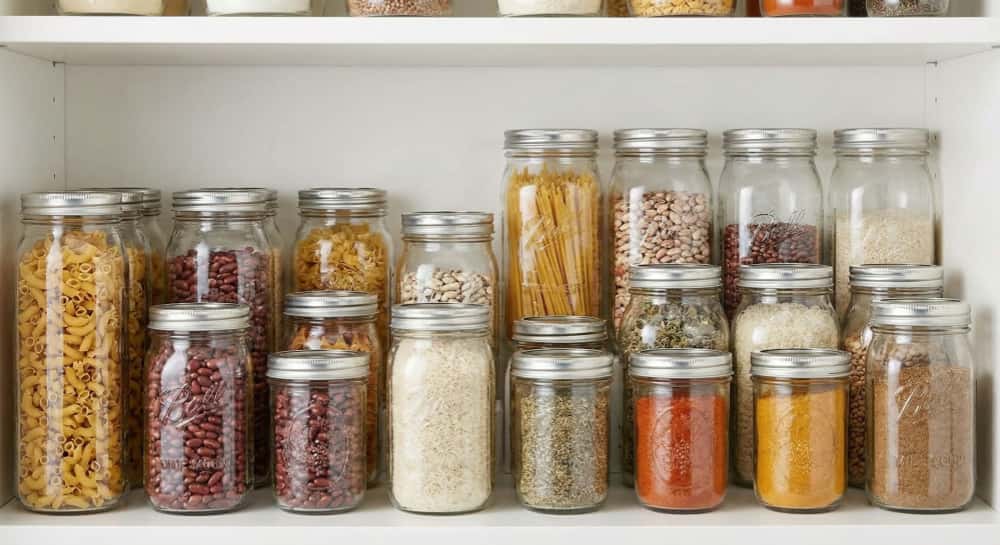
If you are marketing your jars as glass jars for pantry storage or for dry goods after the pickles are gone, you need airtight lids for mason jars. These ensure that the jar has a second life in the customer’s home, keeping flour, sugar, or pasta fresh.
Fermentation vs. Vinegar Pickling: Which Jar Do You Need?
It is crucial to distinguish between best jars for fermentation and those for canning.
If your product is a “refrigerator pickle” (no heat processing) or a fermented product like sauerkraut, you do not necessarily need a vacuum-seal canning lid. You need a pickling container that handles acidic environments well. A glass jar for pickle production that relies on fermentation needs headspace and often a weight to keep vegetables submerged.
Conversely, pickle canning jars intended for a hot water bath must have tempered glass to resist thermal shock. Using a decorative, non-tempered jar for pickles in a boiling water bath will result in breakage and product loss.
Beyond Pickles: Versatility Adds Value
When you buy wholesale glass jars with lids from Smilebottles, you aren’t just buying a single-use item. You are buying a multi-purpose storage solution. Smart brands market the reusability of their packaging.
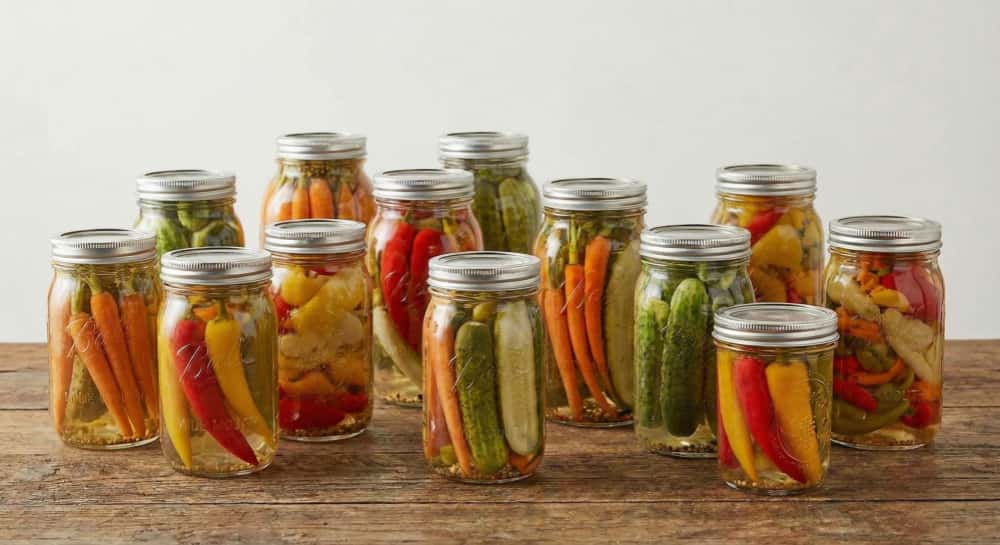
A high-quality glass pickling jar can easily transition into:
Glass jars for kitchen storage: Perfect for holding grains, nuts, or coffee.
Pantry storage jars: The clear glass makes organization easy.
Best jars for fermentation of other foods like kombucha or kefir.
By highlighting these secondary uses, you justify a premium price point for your product. Consumers love airtight glass storage jars and will often buy a product simply to get the high-quality jar it comes in.
How to Choose a Wholesale Manufacturer
When you are ready to scale, finding the right glass jars manufacturer is critical. You need consistency, clarity, and supply chain reliability.
At Smilebottles, we specialize in wholesale pickling jars. Whether you need a standard pickle jar (a common industry term for versatile round jars) or a custom mold, we provide solutions that scale with you.
Customization
Do you want your logo embossed on the glass? Do you need a specific tint of glass to protect light-sensitive ferments? We can create custom best jars for pickles that reflect your brand identity.
Quality Control
We ensure that every pickling jar meets strict safety standards. No bubbles in the glass, flat sealing surfaces for lids, and uniform thickness to prevent breakage during shipping or canning.
FAQ About Pickling Jars
Here are some common questions we receive from commercial buyers regarding pickling jars.
Q1. What are the best jars for fermentation?
A1:The best jars for fermentation are those that can accommodate an airlock system or have a lid that can “burp” gases. We recommend a glass fermentation jar with airlock capability to prevent spoilage and explosions.
Q2. Can I use standard mason jars for pickling?
A2: Yes, mason jars for pickling are the industry standard. They are designed to withstand the heat of canning and have a universal mouth size that fits various lids, including airtight lids for mason jars.
Q3. What is the difference between a Kinto pickling jar and a standard jar?
A3:A Kinto pickling jar is often a specific branded style known for aesthetics, usually made of lighter glass for table service. For commercial production and shipping, however, heavy-duty glass jars for pickling from a manufacturer like Smilebottles are more durable and cost-effective.
Q4. Do you sell bulk pickle jars?
A4:Yes, we supply bulk pickle jars ranging from small retail sizes to a 2 gallon pickle jar for commercial kitchens. Buying wholesale glass jars with lids significantly reduces your unit cost.
Q5. Are wide mouth jars better?
A5:Generally, yes. A wide mouth glass jar is preferred as a pickling jar because it makes packing whole vegetables (like cucumbers or beets) much easier and allows for better cleaning and reuse.
Final Thoughts
Choosing the right packaging is a strategic business decision. The best pickling jars do more than just hold vinegar and cucumbers; they protect your hard work, ensure food safety, and act as a billboard for your brand on the retail shelf. Whether you need rugged pickle canning jars for a hot-fill line, specialized fermentation jars, or versatile glass jars for pantry storage to expand your product line, the material matters. Glass is sustainable, safe, and premium.
At Smilebottles, we are committed to being your partner in growth. We offer high-quality, customizable, and reliable glass jars for pickles at competitive wholesale prices. Don’t let poor packaging compromise your product.


