



Table of Contents
ToggleAuthor: SmileBottles Editorial Team
Estimated Reading Time: 12 Minutes
Choosing the right oil container is one of the most critical decisions a manufacturer can make. The market is flooded with options, from the industrial 5 quart oil jug made of plastic to the decorative ceramic oil cruet used in home kitchens. However, when it comes to mass retail, brand positioning, and preserving the chemical integrity of the oil, one material stands above the rest: Glass.
At SmileBottles, we understand the science of packaging. In this comprehensive guide, we will explore why glass is the best container to store olive oil and other vegetable oils. We will analyze the competition—from metal tins to plastics—and explain why smart brands are switching to glass bottles for oils.
What Causes Oils to Spoil? A Clear Look at Oil Degradation
To understand why packaging matters, we first need to understand the enemy: spoilage. Unlike wine, which can improve with age, oil begins to degrade the moment it is pressed. Whether you are selling cooking oil vegetable oil blends or premium truffle oil, the threats are the same.
The Three Enemies: Light, Air, and Heat
1 Photo-Oxidation (Light Damage): Light is perhaps the biggest destroyer of oil quality. When light hits an oil box or a clear bottle, it triggers photo-oxidation. This process breaks down the antioxidants and vitamins (like Vitamin E) found in oils. For a vegetable oilsitting on a supermarket shelf under fluorescent lights, degradation can happen in days if the packaging isn’t right. This is why you rarely see a high-end glass olive oil dispenser made of completely clear glass without UV protection。
2 Oxidation (Air Exposure): Oxygen is responsible for rancidity. When a glass oil container is not airtight, oxygen reacts with the fatty acids in the oil. This creates unpleasant flavors and odors—think of the smell of old crayons. A poor-quality container for oilthat allows air exchange will ruin the product long before the expiration date.
3Thermal Degradation (Heat): Heat accelerates chemical reactions. If an oil container storage facility is too warm, or if the bottle conducts heat easily, the oil’s shelf life plummets. While you cannot control the temperature of a customer’s pantry, you can choose packaging that offers some insulation.
Material Interaction
Beyond environmental factors, the container itself can be a contaminant. Certain plastics can leach chemicals into the oil, especially if the oil is acidic or if the storage temperature rises. A container of oil should never chemically interact with its contents. This is a primary reason why castor oil in glass bottle packaging is standard in the pharmaceutical and beauty industries—purity is non-negotiable.
Comparing Common Oil Storage Containers: Pros & Cons
When sourcing packaging, you have four main categories to choose from: Plastic, Metal, Ceramic, and Glass. Let’s look at how they stack up for an industrial buyer or a brand owner.
Plastic Bottles and Jugs
Plastic is the most common material for bulk items, such as a 5 quart oil jug or a generic motor oil canister (though please, never put food oil in a motor oil container!).
Pros: It is cheap, lightweight, and won’t shatter if dropped.
Cons: It is permeable. Air can microscopically pass through plastic walls over time. It is also often transparent, offering zero light protection. Furthermore, there is a perception issue. A high-end best olive oil dispenser made of plastic feels cheap to the consumer. For long-term storage, plastic is the weakest option.
Metal Tins (Stainless Steel and Aluminum)
You will often see the oil container metal tin, used for large volumes of olive oil.
Pros: A stainless steel container for oil or a tin can blocks 100% of light. It is durable and relatively light.
Cons: Metal can dent easily during shipping, ruining the aesthetic. If the internal coating of a cooking oil storage can is scratched, the metal can react with the oil, creating a metallic taste. Also, consumers cannot see the product, which reduces trust.
Ceramic and Stoneware
The ceramic oil cruet or a pottery barn olive oil dispenser style bottle is popular for home decor.
Pros: Excellent light protection and temperature stability.
Cons: They are heavy, expensive to ship, and inconsistent in size (if handmade). Cork closures on ceramics often leak, making them a messy oil holder for retail shelves.
Glass Bottles (The Gold Standard)
Whether it is an amber bottle or a clear glass oil container, this material is the industry leader for a reason.
Pros: Glass is impermeable (airtight), non-reactive (chemical-free), and signals premium quality. It is the best container for olive oil if you want to preserve the flavor profile and color.
Cons: It is heavier than plastic, but the trade-off in quality preservation is worth the logistics cost.
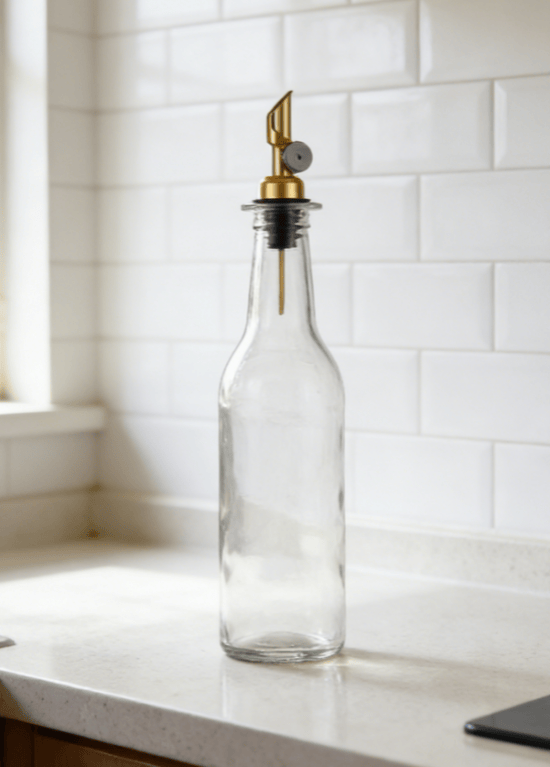
Quick Comparison Table Of Different Materials For Oil Bottles
Feature | Glass Bottles for Oils | Plastic Jugs | Steel Container for Oil |
Oxygen Barrier | Excellent (100%) | Poor (Permeable) | Excellent |
Light Protection | High (if Amber/Green) | Low (usually clear) | Excellent |
Chemical Safety | High (Non-reactive) | Low (Leaching risk) | Medium (Lining risk) |
Visual Appeal | Premium | Economy | Industrial |
What Matters Most When Choosing an Oil Container
As a buyer, you aren’t just buying a bottle; you are buying a preservation system. Here are the factors you must consider when selecting a container oil storage solution.
1. Light Protection and Color
If you are selling Extra Virgin Olive Oil (EVOO), you need a dark bottle. An antique green or amber bottle for oil filters out UV rays. While a clear glass oil dispenser for kitchen use looks pretty to see the color of the herbs, for retail shelf stability, dark glass is superior.
2. The Seal and Closure
The best bottle is useless without a good cap. You need a closure that prevents the “glug” effect and stops drips.
Pourers: A built-in flow restrictor transforms a standard bottle into a convenient food oil dispenser.
Safety :Tamper-evident caps are essential for consumer trust.
Versatility: Some brands are now looking at spray bottles for oil. These require a specific neck finish to accommodate the spray mechanism, allowing users to mist pans rather than pour.
3. Size and Form Factor
Who is your customer?
Restaurants: They need a large cooking oil storage can or a 1-liter glass bottle that is easy to grip.
Home Chefs: They prefer a small olive oil dispenser (250ml or 500ml) that fits in a cabinet.
Gifts/Samples: Small roll-on oil bottles are becoming popular for infused oils or cosmetic oils (like jojoba or castor).
4. Reactivity and Safety
Never repurpose a container not meant for food. For example, a heavy-duty plastic bin might look like a good container of oil for bulk storage, but if it was designed as a home depot dog food container, it likely isn’t food-grade BPA-free plastic suitable for liquids. Always insist on certified food-safe materials. This is why a glass oil container for kitchen use is safer—glass is GRAS (Generally Recognized As Safe) by the FDA.
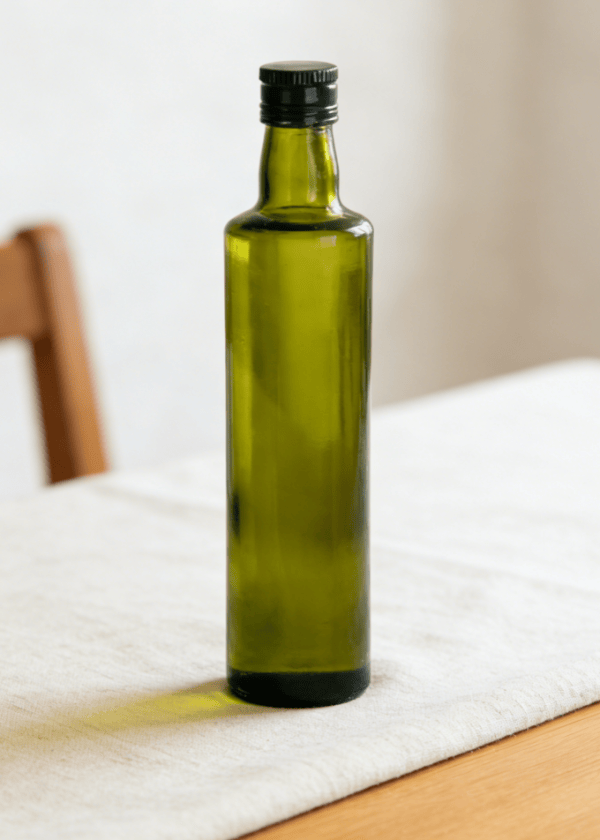
Why Glass Is the Superior Packaging Choice for Storing Oil
Now, let’s dive deeper into why glass is practically unbeatable. When customers ask, “What is the best container for olive oil?” the answer is almost always glass.
100% Non-Reactive and Pure
Glass is made from natural minerals (sand, soda ash, limestone). It is chemically inert. This means a glass oil dispenser bottle will never absorb the flavors of the oil, nor will it release chemicals into the oil. This is crucial for strong-flavored oils like sesame or walnut, and equally important for delicate oils. Even if you store hot oil (though you should cool it first), a glass cooking oil container won’t melt or warp like plastic.
Superior Impermeability
Oxygen cannot pass through glass. Period. Unlike a container for oil in the kitchen made of low-density plastic, a glass bottle with a proper screw cap creates a hermetic seal. This extends the shelf life of the product significantly.
Marketing and Shelf Presence
In the retail environment, perception is reality. A consumer walking down the aisle sees a glass olive oil container and immediately associates it with higher quality than the plastic oil container next to it. Glass allows for beautiful labeling, embossing, and unique shapes—like a square Marasca or a round Dorica bottle. It transforms a simple container of oil into a luxury item.
Environmental Responsibility
Plastic waste is a global crisis. Glass is 100% recyclable and can be recycled endlessly without loss of quality. For brands focusing on sustainability, moving away from the plastic 5 quart oil jug toward recyclable glass bottles is a powerful marketing message. Furthermore, glass bottles are reusable. Customers often refill them, turning your packaging into a permanent modern olive oil dispenser in their homes.
Versatility for Different Oil Types
Glass handles everything.
Viscous Oils: Castor oil in glass bottle packaging is easier to clean and pour.
Hot Oils : While you shouldn’t pour boiling oil into standard glass, glass is generally more heat resistant than thin plastic. However, for a commercial hot fryer oil container used to dump waste oil, metal is usually preferred. But for the sale of oil, glass withstands ambient heat variations better than plastic, which can off-gas.
Infused Oils: If you add garlic or chili, glass prevents the strong odors from permanently staining the container, unlike a plastic oil strainer container, which will smell like garlic forever.
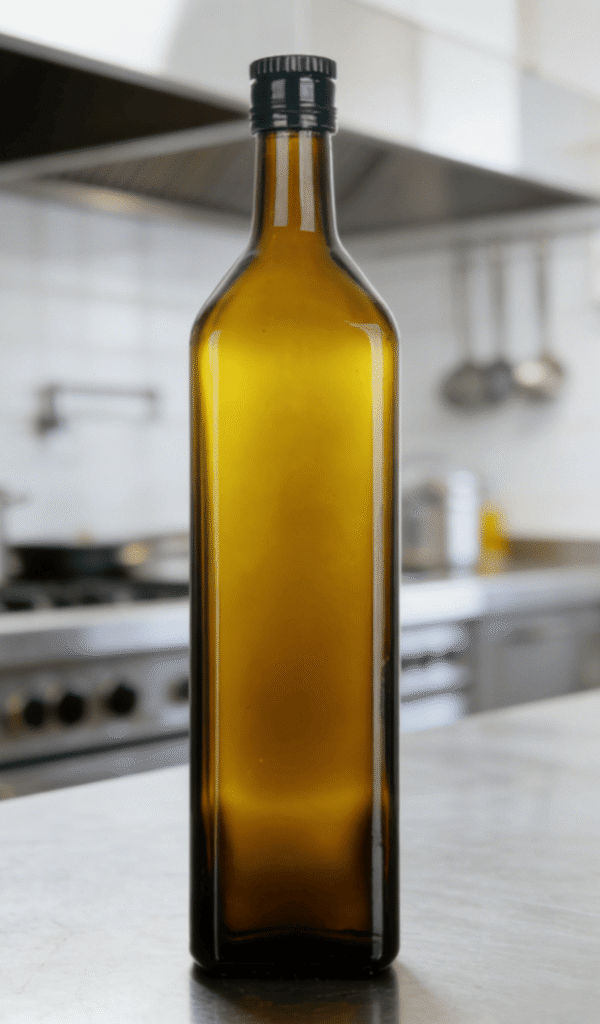
SmileBottles: Your Trusted Partner for Premium Oil Glass Packaging
You have a great product. You need a great bottle for oil. That is where SmileBottles comes in. We aren’t just a factory; we are a solution provider for oil brands worldwide.
Why Choose SmileBottles?
Extensive Variety: We offer everything from the classic dark green antique bottles for olive oil to clear flint glass bottles for oils that showcase infused herbs. Whether you need a standard shape or a custom mold, we have it.
Customization: Want your brand logo embossed on the glass? We can do that. Looking for a specific oil dispenser modern aesthetic? We can design it.
Complete Packaging Solutions: We don’t just sell the glass. We supply the caps, the pourers, and the closures. We ensure that your glass oil dispenser for the kitchen functionality works perfectly.
Bulk and Wholesale: Whether you need a pallet or a container load, we handle bulk logistics. We understand that you are competing with brands using cheap oil container storage, so we offer competitive pricing to help you maintain margins while using premium glass.
FAQ: Quick Answers for Oil Brands and Buyers
Here are answers to the most common questions we get from clients looking for the best container to store olive oil.
Q1: Is a stainless steel container for oil better than glass?
Stainless steel is durable and blocks light, making it a good choice for very large volumes (like 5 liters+). However, for retail sizes (250ml–1L), a glass olive oil dispenser is preferred because it is non-reactive and allows the customer to see the product (if clear) or signals tradition (if green).
Q2: Can I put hot oil in a glass bottle?
You should be careful. Standard glass is not tempered like Pyrex. A hot cooking oil container should ideally be metal or heat-resistant ceramic. If you are bottling oil, let it cool to room temperature before filling to prevent thermal shock breakage.
Q3: What is the best closure for an oil bottle?
We recommend a screw cap with a non-refillable pourer insert. This acts as a food oil dispenser regulator, giving the customer a smooth pour, and prevents the bottle from being refilled with cheaper oil (an anti-counterfeit measure).
Q4: Can I use a pottery barn olive oil dispenser for my brand?
Those are usually sold as home decor items, not industrial packaging. They often lack the airtight seals required for shipping. For a commercial brand, you need a machine-made ceramic oil cruet or, better yet, a glass bottle that mimics that aesthetic but offers better sealing reliability.
Q5: Is an oil dispenser automatic safe for oil?
An oil dispenser automatic (gravity or battery-operated) is a gadget for the end-user. As a brand, you package in bottles. However, ensuring your bottle neck fits standard automatic dispensers is a nice selling point for customers.
Q6: Why shouldn’t I use a plastic 5 quart oil jug for long-term storage?
Plastic allows oxygen to slowly seep in. For a high-turnover restaurant, a plastic cooking oil storage can is fine. But for a premium product sitting in a warehouse or pantry for months, glass provides a much better barrier against rancidity.
Q7: How do I store used grease?
For waste, use a grease containers specifically designed for heat, or an old metal cooking oil storage can. Do not use your premium glass bottles for hot waste grease as they might crack.
Q8: What is an oil strainer container?
An oil strainer container is usually a metal pot with a mesh sieve used to save frying oil. This is a kitchen tool, not retail packaging. However, SmileBottles can produce wide-mouth jars that work well for customers who want to store strained, solidified fats like coconut oil.
Conclusion
The journey of oil from the press to the plate is long. Along the way, it faces threats from heat, light, and air. While a plastic oil container might save you a few cents on shipping, it costs you in product quality and brand reputation. Glass offers the perfect balance of science and art. It is a container of oil that acts as a vault, locking in freshness and flavor while locking out oxygen. Whether you are looking for a sleek, modern olive oil dispenser look for a luxury brand, or a sturdy, functional glass cooking oil container for everyday use, glass delivers. Don’t let your premium oil go rancid in a Home Depot dog food container-style plastic bin, or a reactive metal tin. Choose the material that has stood the test of time.
At SmileBottles, we are ready to help you find the perfect glass oil container for your needs. From custom designs to bulk orders of standard glass bottles for oils, we are your partner in premium packaging. Contact us today to request a sample or a quote. Let’s make your oil shine.


